





Getting a diagnosis for the upper body can be tough. At Acıbadem Healthcare Group, we think knowing is key to healing. We aim to give top-notch medical education to help you grasp these complex issues. This term includes many parts, from the scalp to inside the skull. Our mission is to empower you by making these diagnoses clear. We want you to feel well-informed and comforted as you start your health journey. Knowing about Head Cancer helps you talk better with your doctors. We’re here to support you with kindness and clarity at every step.
Key Takeaways
- Acıbadem Healthcare Group provides expert medical education for patients.
- Conditions can affect areas from the scalp to internal cranial structures.
- We prioritize clear, jargon-free explanations for all patients.
- Empowerment through knowledge is central to our care philosophy.
- Our team offers a supportive environment for your health journey.
Understanding Head Cancer
Getting to know head cancer is key to managing it well. It’s a group of cancers that happen in the head and neck area. This area is complex, making it hard to treat.
Head and neck cancer starts in different places. It often begins in the lining of the mouth, nose, and throat. But it can also grow in bones or soft tissues.
It’s important to know how the head and neck work. This helps doctors and patients plan the best treatment. Early detection is critical for better treatment options.
Knowing about head and neck cancer helps you take charge of your health. We want to make sure you understand head cancer well. This way, you can make informed decisions about your care.
Anatomy and Types of Head Cancer
The head and neck area has many types of cancer. This is because it has complex parts like nerves, glands, and bones. The type of Head Cancer depends on the cells involved.
Knowing the cells where cancer starts is key. It helps doctors create a treatment plan that fits each person’s needs.
Squamous Cell Carcinomas
Squamous cell carcinoma is the most common type. It starts in the thin, flat cells lining the mouth, nose, and throat.
These cells are called squamous cells. When they change abnormally, they can cause Head Cancer. This needs quick medical care and special treatment.
Adenocarcinomas and Sarcomas
Adenocarcinomas are rarer and start in glandular tissues. These tissues make fluids like saliva or mucus.
Sarcomas, on the other hand, affect the bone or connective tissues of the skull. A Skull Cancer diagnosis of sarcomas needs a special approach because of the bone’s importance.
| Tumor Type | Primary Origin | Clinical Focus |
|---|---|---|
| Squamous Cell | Mucosal Linings | Surface tissue health |
| Adenocarcinoma | Glandular Tissue | Secretory function |
| Sarcoma | Bone/Connective | Structural integrity |
We think informed patients work better with their care teams. Knowing the differences helps understand why certain tests are needed for Skull Cancer.
Symptoms and Early Warning Signs
Early detection is key in fighting head and neck cancer. By being alert, you can spot small changes in your body. Your awareness is the first line of defense for your health.
Look out for physical changes that don’t go away. Sores in the mouth that won’t heal or pain in the throat or ears are signs. Also, a noticeable lump in the neck or face needs a doctor’s check.
Other signs of head and neck cancer include hoarseness or a voice change. Swallowing food can be hard or painful, like it’s stuck. If these problems last more than a few weeks, see a doctor.
Watch your body for any odd signs. While many small issues clear up fast, lasting symptoms mean it’s time for a doctor’s visit. Prompt medical evaluation can lead to better treatment and outcomes.
Acting early doesn’t mean you’re worried. It shows you care about your health. Getting help for head and neck cancer symptoms can give you peace of mind. We’re here to help you understand and tackle these issues.
Risk Factors and Causes
We believe that knowledge is the most powerful tool in your journey toward long-term wellness. By identifying the primary triggers for head cancer, we can work together to mitigate risks and support your overall health. Understanding these influences is a crucial step in making informed lifestyle decisions.
The most well-documented contributors to these malignancies remain the use of tobacco products and excessive alcohol consumption. These substances can damage the delicate cells in the head and neck region over time. Consistent exposure to these irritants significantly increases the likelihood of cellular mutations that may lead to cancer.
Beyond lifestyle habits, biological factors such as viral infections play an increasingly significant role. The human papillomavirus (HPV) has been identified as a major driver for certain types of head and neck cancers. This virus can alter the genetic makeup of cells, leading to abnormal growth patterns that require medical attention.
We encourage you to review the following table to better understand how different factors contribute to your health profile. Being aware of these variables helps us tailor your care and prevention strategies effectively.
| Risk Factor | Primary Impact | Prevention Strategy |
|---|---|---|
| Tobacco Use | Cellular DNA damage | Smoking cessation programs |
| Alcohol Consumption | Chronic tissue irritation | Limiting intake levels |
| HPV Infection | Viral-induced mutations | Vaccination and screening |
| Environmental Exposure | Chemical irritation | Protective equipment use |
Your commitment to proactive health management is the foundation of our partnership. By addressing these environmental and biological triggers, we can focus on early detection and effective risk mitigation. We are here to guide you through every step of this process with clarity and compassion.
Diagnostic Procedures and Imaging
Getting a correct diagnosis is key to a successful treatment plan. We use advanced imaging to see tumors clearly. This helps our teams create precise strategies for you.
Medical tests can be scary. We aim to be completely transparent with you. This way, you know what’s happening and feel supported.
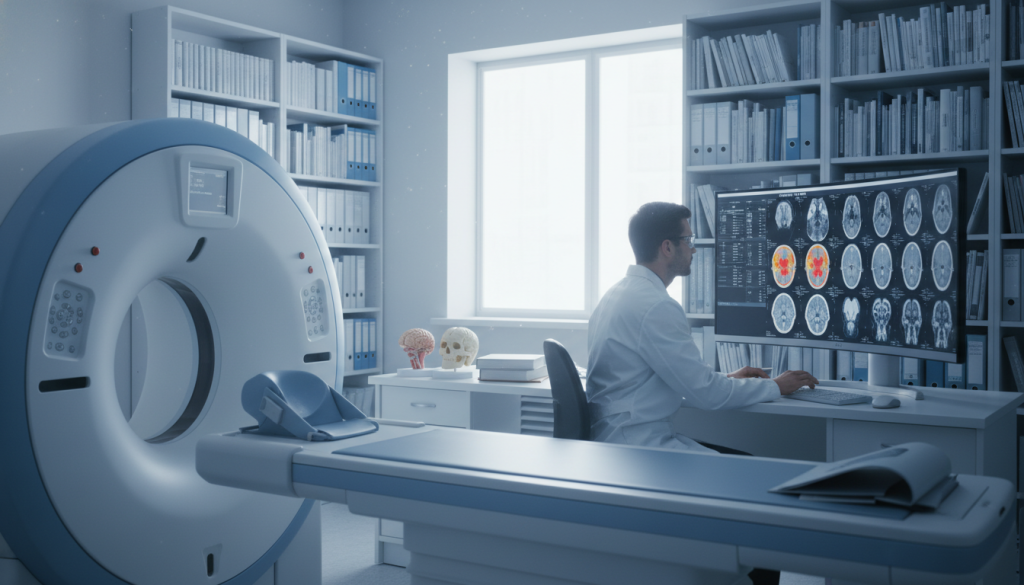
Magnetic Resonance Imaging, or MRI, is a top tool for us. It uses magnetic fields and radio waves to show detailed images. It’s great for looking at soft tissues like the tongue or brain.
This method lets us see inside the body without surgery. It’s key for figuring out a tumor’s biological characteristics. This info helps us guess how it might react to treatments.
Computed Tomography (CT) Scans
Computed Tomography, or CT scans, use X-rays to make detailed images of the body. We use these to map the extent of a tumor and how it affects nearby areas. This is important for checking how a tumor interacts with bones.
By combining these images, our doctors get a full picture of the area. This detailed roadmap is essential for planning surgeries or radiation therapy. We use these advanced tools to make sure every treatment choice is based on clear evidence.
Staging and Grading of Tumors
Learning how doctors classify tumors is key to your treatment. When you get a diagnosis, your team uses specific metrics to plan your care. Staging and grading turn complex data into a clear action plan for you.
Staging tells us the tumor’s size and spread. It shows the disease’s extent at diagnosis. Knowing the stage helps predict the cancer’s behavior and the best treatments for you.
Grading looks at tumor cells under a microscope. Pathologists check how these cells compare to normal tissue. High-grade tumors look very different and grow fast. Low-grade tumors look more like normal cells and grow slower.
Knowing these details makes you more confident in your consultations. Understanding our recommendations makes you a partner in your health. Here’s a table that shows the main differences between staging and grading.
| Feature | Staging | Grading |
|---|---|---|
| Primary Focus | Extent and spread | Cell appearance |
| Methodology | Imaging and physical exams | Microscopic tissue analysis |
| Clinical Goal | Determining treatment scope | Predicting growth rate |
| Key Outcome | Identifies tumor size | Identifies aggressiveness |
Your peace of mind is our top priority. We aim to give you the info you need to make informed decisions. If you have questions, don’t hesitate to ask your care team.
Surgical Interventions for Head Cancer
When you’re diagnosed with head cancer, surgery is often the first step to healing. Our main goal is to remove the cancer completely while keeping your head and neck safe. These areas are key for breathing, speaking, and swallowing. So, we work with great care in every procedure.
Today’s surgery methods have improved a lot. We offer many options based on your needs. We use minimally invasive procedures to cut down on recovery time and scars. For tougher cases, our surgeons do detailed surgeries to remove the tumor and keep the surrounding tissues safe.
We see surgery as a team effort. Our surgeons work with reconstructive specialists to get the best results. This team effort helps us fix damaged areas and help you feel better about yourself and your life after surgery.
The table below shows the common surgeries we use, based on where and how big the tumor is:
| Surgical Approach | Primary Goal | Best For |
|---|---|---|
| Endoscopic Surgery | Minimally invasive access | Early-stage sinus or nasal tumors |
| Transoral Robotic Surgery | Precision in tight spaces | Throat and base of tongue tumors |
| Microvascular Reconstruction | Restoring form and function | Complex resections requiring tissue grafts |
| Neck Dissection | Removing lymph nodes | Preventing or treating cancer spread |
Your recovery is our top concern. We use advanced technology and care for you like family. We’re here to help you through every step, making sure you know what’s happening and feel supported.
Radiation Therapy Approaches
Radiation therapy is a key part of treating head cancer. We use high-energy beams to target and kill cancer cells. This method stops cancer cells from growing or spreading.
Our team aims to protect healthy tissue while focusing on the tumor. This helps keep your quality of life good during and after treatment. We know this can feel scary, and we want to help you feel strong.
Modern medicine has brought us advanced techniques like Intensity-Modulated Radiation Therapy (IMRT). This method shapes the radiation beams to fit the tumor’s shape. It’s a big step forward in treating head and neck cancers.
Getting ready for treatment is important. We work with you to plan each session. Knowing what to expect helps you feel more ready for therapy.
Dealing with side effects is also a big part of our care. Radiation might cause skin or mouth changes. Our supportive care team is here to help with nutrition, skin care, and comfort tips. We want to help you feel confident in managing these issues.
Chemotherapy and Targeted Drug Therapy
Learning about chemotherapy and targeted drugs can make you feel more confident in your treatment. These treatments are key. They travel through your blood to find and fight cancer cells everywhere in your body.
Chemotherapy uses strong medicines to stop or slow cancer cells’ growth. These cells grow fast, so chemotherapy works well on them. But, it can also harm healthy cells that grow fast. That’s why we watch your health closely.
Targeted drug therapy is a more precise way to fight cancer. These drugs are made to find and attack specific markers on cancer cells. This helps protect healthy tissue, leading to fewer side effects than traditional treatments.
We often use these treatments together with surgery or radiation. This approach helps fight the tumor and prevent it from spreading. Here’s a table showing the main differences between these treatments.
| Feature | Chemotherapy | Targeted Therapy |
|---|---|---|
| Primary Mechanism | Kills rapidly dividing cells | Attacks specific cell markers |
| Precision Level | Broad systemic impact | High molecular precision |
| Common Usage | Standard systemic treatment | Personalized medicine plans |
| Treatment Goal | Shrink or eliminate tumors | Block cancer cell growth |
Your treatment plan is made just for you, based on your cancer’s biology. We’re here to explain why we choose these treatments. We want to support and inform you every step of the way to recovery.
Immunotherapy and Emerging Treatments
Using the immune system’s power has opened new doors for head cancer patients. We now use immunotherapy, a method that lets the body fight cancer cells better.
This treatment removes the “brakes” cancer cells use to hide. It boosts the body’s ability to find and destroy cancer. It is truly an inspiring time to be involved in cancer research.
We’re also exploring emerging clinical trials for new treatments. These trials test new drug combinations that target specific cancer mutations. By joining these trials, patients get early access to cutting-edge medical advancements.
Our team is always looking for the latest in medical research. We believe in giving patients access to advanced therapeutic options to improve their chances. Every day, we see how these new treatments give hope to those facing cancer.
The field of oncology is moving towards more personalized care. We keep up with global research to ensure our patients get the best treatments. We are committed to walking this path with you, utilizing every tool that science provides to fight for your health.
Managing Facial and Scalp Cancer
When you’re diagnosed with a facial tumor or scalp cancer, we aim to keep you healthy and looking good. These areas are easy to see, so we focus on keeping them looking and working right. This is true at every step of your treatment.
Our multidisciplinary approach means we team up dermatologists, plastic surgeons, and oncologists. Together, they make a plan just for you. This way, we remove the cancer well while keeping your life and how you see yourself intact.
Dealing with a facial tumor means using special surgery. Mohs micrographic surgery is one method we like. It lets us take out the bad tissue carefully, keeping the good skin around it.
For scalp cancer, we use methods that help keep your scalp and hair looking good. We want you to know that your health and how you feel about yourself are key to us.
| Treatment Type | Primary Goal | Best For |
|---|---|---|
| Mohs Surgery | Tissue Preservation | Small, localized tumors |
| Reconstructive Surgery | Functional Restoration | Large or deep lesions |
| Radiation Therapy | Tumor Control | Non-surgical candidates |
| Targeted Therapy | Systemic Management | Advanced or spreading cases |
Addressing Oral and Sinus Cancer
When we tackle Oral Cancer and Sinus Cancer, we aim to keep your speech, breathing, and eating abilities intact. These cancers fall under Head and Neck Cancer, needing a special treatment approach. Our main goal is to remove tumors effectively while keeping your quality of life high.
Acting fast is key when dealing with tumors in the mouth or sinuses. Spotting changes early lets us use less invasive surgeries. Timely action boosts the chances of a good outcome and keeps your speech and swallowing abilities intact.
We believe a team approach is vital for your care. This team includes surgeons, radiation oncologists, and speech therapists. They work together to tailor a plan just for you. Our goal is your long-term health and comfort, whether through surgery or non-surgical methods.
Knowing the differences between these cancers can boost your confidence during consultations. Here’s a table that highlights key points for both:
| Feature | Oral Cancer | Sinus Cancer |
|---|---|---|
| Primary Symptoms | Persistent sores or lumps | Chronic congestion or nosebleeds |
| Functional Impact | Speech and chewing | Breathing and sense of smell |
| Common Treatment | Surgery and reconstruction | Endoscopic surgery and radiation |
| Care Focus | Preserving oral mobility | Maintaining nasal passage airflow |
By teaming up with your medical team, you can handle the challenges of Head and Neck Cancer better. We’re here to offer the support and clarity you need to make informed decisions. Your recovery journey is a team effort, and we’re here to guide you every step of the way.
Cranial and Brain Tumor Considerations
When we diagnose brain or skull issues, our team focuses on controlling tumors and keeping the brain working right. We know these cases are tricky, needing a highly specialized method to help patients the best we can.
Handling a Brain Tumor is a big job because of the brain’s sensitive areas. We aim to get rid of or treat the tumor without harming the brain’s important paths. These paths help with movement, speech, and thinking.
Dealing with Skull Cancer brings its own set of problems. The tumor might press on the skull, which protects the brain. We use advanced imaging and planning to carefully work around these tight spots.
Treating Cranial Cancer often needs a team of experts. This team includes neurosurgeons, oncologists, and neurologists. Working together, we make sure to tackle the tumor while keeping the brain healthy.
We think comprehensive care is key to good treatment. By using new tech and caring support, we aim to give hope and clarity to those on their healing path.
| Treatment Approach | Primary Goal | Key Benefit |
|---|---|---|
| Microsurgery | Tumor Resection | High precision in delicate areas |
| Stereotactic Radiosurgery | Targeted Radiation | Non-invasive tumor control |
| Targeted Therapy | Molecular Inhibition | Reduced impact on healthy tissue |
Every patient gets a personalized treatment plan based on their unique situation. Our goal is to offer top-notch care that helps patients make smart choices about their health.
Rehabilitation and Supportive Care
Recovery from head cancer is a long journey that needs a lot of support. We think healing goes beyond just treatment. Our aim is to make sure every patient gets the holistic care they need to feel strong and confident again.
For those dealing with Cranial Cancer, special rehab is key. Our team offers speech and physical therapy tailored just for you. We are dedicated to walking this path with you, making sure your needs are met every step of the way.
Good nutrition is also vital for your health. It helps your body fix itself and keeps your energy up. We create personalized nutrition plans to help you recover well.
Those recovering from Scalp Cancer need special care for their skin and to rebuild. We focus on both your physical and emotional health as you get back to your life. Your comfort and long-term health remain our highest priorities as we guide and care for you.
Living with a Head Cancer Diagnosis
Living with a head cancer diagnosis can feel overwhelming. But you’re not alone. Resilience comes from expert medical care and a caring support network. We aim to help you manage your health and keep your quality of life high.
Dealing with a Brain Tumor affects your mind as much as your body. We suggest seeking professional counseling to handle these feelings. Talking openly with your care team helps make a plan that meets your needs and improves your mental health.
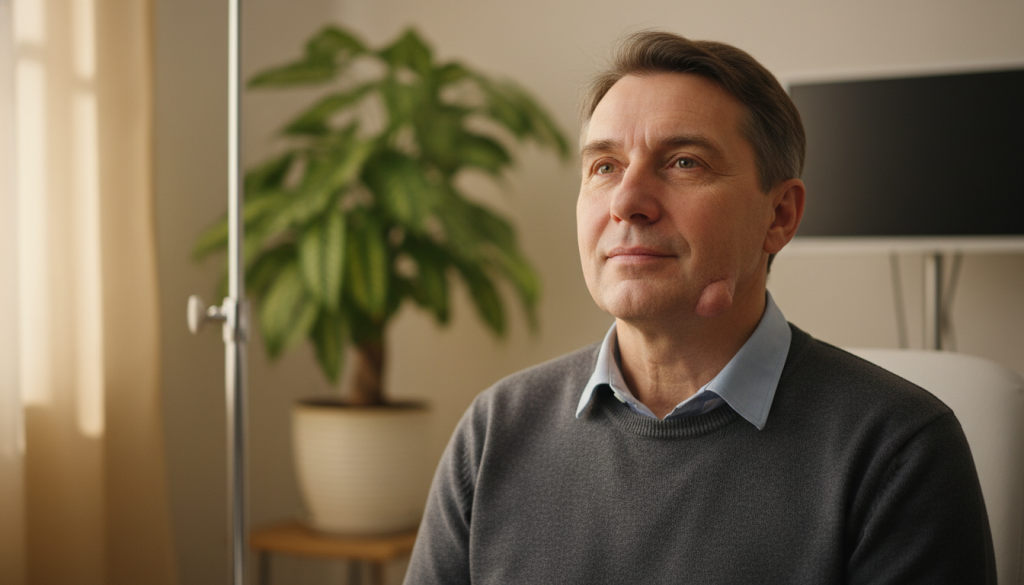
Handling a Facial Tumor brings its own set of challenges, like how it affects your looks and social life. Being an advocate for yourself is key. It lets you be involved in your treatment choices. Staying informed and connected helps you face these changes with confidence.
Support groups are a great way to find comfort and advice. They offer a safe place to talk about life with a Brain Tumor or Facial Tumor. Sharing your story with others who get it can be very healing.
We believe in a strong partnership between patients and healthcare providers. Empowerment comes from knowing you have the right resources for recovery. Here’s a table showing the support you can get.
| Support Type | Primary Benefit | How to Access |
|---|---|---|
| Psychological Counseling | Emotional stability | Hospital referral |
| Patient Advocacy | Informed decision-making | Patient portal |
| Support Groups | Peer connection | Community centers |
| Nutritional Guidance | Physical strength | Clinical dietitian |
Conclusion
Getting a diagnosis can be tough. But, Acıbadem Healthcare Group is here to help. We offer top-notch care and education for all patients. We think knowing your health is key to making good choices for your future.
Spotting health issues early is super important. It helps fight diseases like Oral Cancer. We help you catch these signs early so we can act fast and improve your chances of getting better.
Dealing with Sinus Cancer needs a special touch. Our team creates a plan just for you. We focus on making you comfortable and improving your life while you heal.
You don’t have to face health problems alone. Our team is here to support you. Contact us to talk about your health concerns and start your path to wellness.
FAQ
Q: What exactly is meant by the term head cancer?
A: At Acıbadem Healthcare Group, we call it when cancer happens in the head and neck area. It starts in the lining of the mouth, nose, and throat. It also includes scalp cancer, facial tumors, and cancers in the bone or soft tissues of the skull.
Q: What are the most common types of head and neck cancer?
A: Most cases are squamous cell carcinomas, from flat cells in moist areas. Other types are adenocarcinomas in glandular tissues and sarcomas in connective tissues or the skull cancer bone.
Q: What are the early warning signs of a facial tumor or oral cancer?
A: Watch for signs like a sore that won’t heal, a red or white mouth patch, or a neck or facial lump. Also, look out for hoarseness, swallowing trouble, or chronic sinus issues that don’t get better.
Q: How is a brain tumor or cranial cancer diagnosed at Acıbadem Healthcare Group?
A: We use top-notch imaging for accurate diagnosis. Magnetic Resonance Imaging (MRI) shows soft tissues and the brain well. Computed Tomography (CT) scans help see tumors and bones. These tools are key for finding and understanding cranial cancer.
Q: What causes these malignancies and what are the primary risk factors?
A: Main risks are long-term tobacco use and too much alcohol. Human papillomavirus (HPV) infections also cause some head and neck cancer. Knowing these causes helps us prevent and treat early.
Q: What surgical options are available for treating a facial tumor or scalp cancer?
A: Our surgery aims to remove the cancer fully while keeping the patient’s looks and health. For facial tumors and scalp cancer, we team up with experts to fix appearance and quality of life.
Q: How does radiation therapy work for head cancer patients?
A: Radiation therapy kills cancer cells with high-energy beams. At Acıbadem, we use Intensity-Modulated Radiation Therapy (IMRT) for precise targeting. This method spares healthy tissues and reduces side effects.
Q: What is the difference between chemotherapy and targeted drug therapy?
A: Chemotherapy kills fast-growing cells all over the body. Targeted drug therapy attacks specific cancer cell markers. This method is more precise and often has fewer side effects than chemotherapy.
Q: Is immunotherapy an option for advanced head and neck cancer?
A: Yes, immunotherapy boosts the body’s immune system to fight cancer. We offer these new treatments and trials for complex or advanced cases.
Q: How do you manage the complexities of a brain tumor or skull cancer?
A: Treating brain tumors or skull cancer needs special neurosurgery skills. Our teams do detailed skull-base surgeries and microsurgery. This ensures the tumor is removed and brain function is kept safe.
Q: What does the rehabilitation process look like after treatment?
A: Recovery goes beyond just removing the tumor. Our rehab includes speech therapy, physical therapy, and nutrition support. These help patients with oral cancer or sinus cancer regain speaking, swallowing, and eating skills for daily life.