



What Is Reconstructive Surgery?
Ever thought about how doctors fix bodies after big injuries or birth defects? At Acıbadem Healthcare Group, we see reconstructive surgery as key. It’s about making you whole again, improving your life. We tackle tough body problems with new, custom-made methods. It’s for those who’ve faced illness or were born different. Our team guides you, making sure you’re supported every step of the way.
Key Takeaways
- This medical field focuses on restoring both physical appearance and bodily function.
- Procedures are designed to improve long-term quality of life for patients.
- Expert care addresses challenges stemming from trauma, illness, or congenital factors.
- Modern techniques allow for highly precise and personalized medical outcomes.
- Our mission emphasizes patient education and informed decision-making for better health.
Defining the Scope of Reconstructive Surgery
At its core, what is reconstructive surgery is a medical field focused on restoring form and function. It’s not just about making people look better. It’s about helping them get back to their natural health.
This field covers a wide range of repairs. It includes fixing tissues damaged by injury, birth defects, or disease. Our surgeons use their deep knowledge of anatomy to rebuild damaged structures. They focus on making sure each repair improves the patient’s health.
So, what is reconstructive surgery in a clinical sense? It’s about fixing the body’s natural integrity. Unlike cosmetic surgery, which changes looks for personal reasons, our work is about healing. We aim to give comprehensive care that meets each patient’s medical needs.
| Feature | Reconstructive Surgery | Aesthetic Surgery |
|---|---|---|
| Primary Goal | Functional Restoration | Appearance Enhancement |
| Clinical Focus | Repairing Injury/Disease | Improving Symmetry/Form |
| Patient Need | Medical Necessity | Personal Choice |
What Is Reconstructive Surgery? Causes, Treatment & Recovery
The journey to physical restoration starts with understanding What Is Reconstructive Surgery? Causes, Treatment & Recovery. This field repairs or reshapes body parts damaged by trauma, birth defects, or disease. We use both skill and compassion to help our patients heal.
Our process guides you from the first visit to the end of your healing. Whether you need surgical tumor removal or complex tissue repair, we focus on your comfort and safety. We believe knowing what’s happening helps you feel in control.
The table below shows our care stages. Each step is managed to track your progress and solve any issues during recovery.
| Phase | Primary Focus | Patient Goal |
|---|---|---|
| Diagnosis | Clinical Assessment | Understanding the condition |
| Planning | Surgical Strategy | Preparing for the procedure |
| Intervention | Surgical Execution | Restoring form and function |
| Recovery | Healing and Therapy | Returning to daily life |
By understanding What Is Reconstructive Surgery? Causes, Treatment & Recovery, you’re ready for your medical journey. We aim to give you top-notch care that meets your unique needs and health goals. We’re here to support you every step of the way.
Common Medical Conditions Requiring Reconstructive Procedures
Reconstructive surgery helps fix many physical problems caused by birth, injury, or illness. It’s a special field that makes body parts look and work better. These surgeries fix underlying issues, helping people feel more confident and able to do things they love.
There are many reasons why someone might need reconstructive surgery. These include genetic issues from birth, accidents, or problems after cancer treatment. Each case needs a different approach, based on the patient’s specific needs.
Some surgeries fix problems that people are born with, like cleft lips or palates. Others help people who have been hurt, like those with severe burns or broken bones. After cancer, surgery can rebuild areas that were lost, like breasts after a mastectomy.
Personalized treatment plans are key because each case is different. We aim to fix the problem and make the area look good too. Knowing about these conditions helps patients take a bigger role in their healing.
| Condition Category | Primary Goal | Typical Intervention |
|---|---|---|
| Congenital Anomalies | Developmental Correction | Cleft Repair or Craniofacial Surgery |
| Traumatic Injuries | Functional Restoration | Skin Grafts or Nerve Repair |
| Post-Cancer Loss | Tissue Reconstruction | Flap Surgery or Breast Reconstruction |
| Chronic Wounds | Infection Prevention | Debridement and Closure |
The Role of Plastic Surgery in Functional Restoration
Reconstructive surgery is more than just making you look good. It’s about fixing your body so it works right again. This is true when injuries, sickness, or birth defects mess with your health.
Our surgeons mix beauty with medical needs. They make sure the fixed parts work like they should. This way, you can do your daily tasks with ease and feel good about yourself.
We think healing is more than just fixing the body. Reconstructive surgery must fix how things work inside and how they look outside. We work with you to make a plan that keeps you healthy and comfortable for a long time.
The table below shows how we balance things to get the best results for you.
| Focus Area | Functional Goal | Aesthetic Goal |
|---|---|---|
| Tissue Repair | Restoring range of motion | Minimizing visible scarring |
| Structural Support | Improving weight-bearing capacity | Maintaining natural body contours |
| Sensory Recovery | Regaining tactile feedback | Ensuring skin texture consistency |
| Overall Outcome | Enhancing daily independence | Promoting psychological wellness |
Reconstructive surgery is a key to a better life. We aim to give you top-notch care that meets your body’s needs and looks great too.
Diagnostic Processes and Pre-Surgical Planning
Every successful reconstructive surgery starts with a detailed plan. We carefully examine your body and health history. This helps us create a surgery plan just for you.
We use top-notch imaging to see the surgery area clearly. High-resolution CT scans and MRI scans show us the tissues, blood vessels, and bones. This lets us plan for any challenges ahead.
Physical exams are also key to reconstructive surgery success. We check the quality of your tissues, how well you can move, and any limitations. This helps us choose the best way to fix your body and meet your goals.
We think it’s important to involve you in the planning. Talking about the surgery helps you feel ready and confident. This teamwork is at the heart of our care, helping you be part of your recovery.
The table below shows the main tools we use for your surgery prep:
| Diagnostic Tool | Primary Purpose | Clinical Benefit |
|---|---|---|
| CT Imaging | Bone and tissue mapping | High-precision structural analysis |
| MRI Scans | Soft tissue visualization | Detailed view of complex anatomy |
| Clinical Assessment | Functional evaluation | Personalized reconstructive surgery planning |
| Vascular Mapping | Blood flow analysis | Enhanced safety during tissue transfer |
Surgical Techniques and Advanced Technologies
We use special surgical techniques to help patients improve their quality of life. Our goal in treatment for reconstructive surgery is to fix both how things look and how they work. We use the latest medical tech to make sure each surgery is precise and safe.
Local Flaps
Local flaps move healthy skin and tissue from next to the wound. This method works well because the moved tissue keeps its blood supply. It’s great for small wounds where the skin can be moved without too much strain.
Regional Flaps
For bigger wounds, we use regional flaps. These move tissue from a nearby area that’s connected by a “pedicle”. This way, we can cover more area and keep the tissue healthy during healing.
Free Flaps
Free flaps are the latest in reconstructive medicine. This complex surgery moves tissue from one part of the body to another. We use tiny tools to connect blood vessels, making sure the tissue survives. This treatment for reconstructive surgery is often used after hirursko uklanjanje tumora to fix damaged areas.
| Flap Type | Primary Use | Blood Supply |
|---|---|---|
| Local | Small defects | Maintained via attachment |
| Regional | Medium defects | Maintained via pedicle |
| Free | Large/Complex defects | Microsurgical reconnection |
We always choose the best method for each patient. By combining these techniques with the latest tech, we offer a reliable treatment for reconstructive surgery. Our focus is on long-term health and recovery.
Tissue Transfer and Microsurgical Approaches
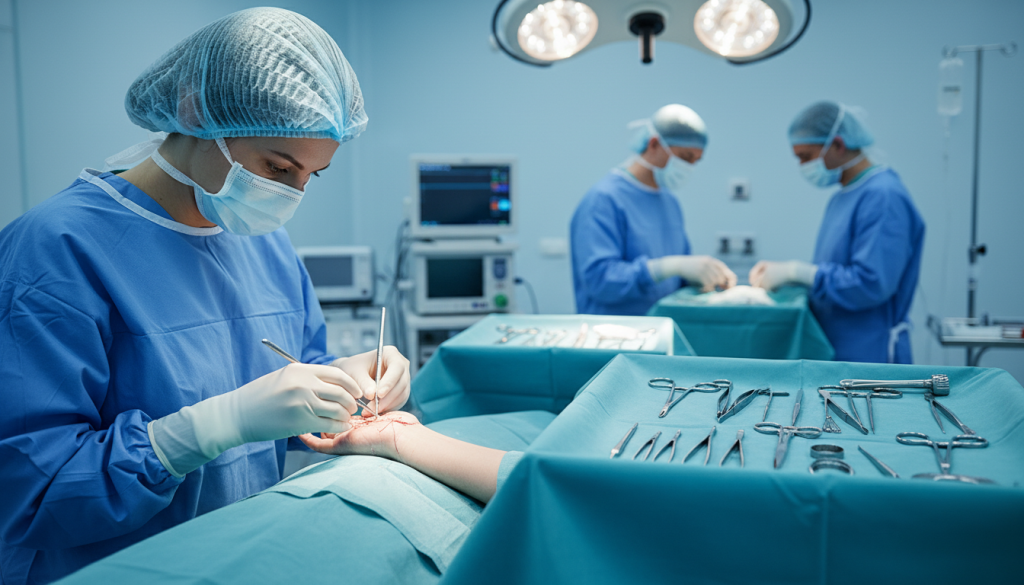
When standard surgery isn’t enough, we use microsurgery. This advanced field lets our experts reconnect tiny blood vessels and nerves. It’s key for healing.
By moving healthy tissue from one body part to another, we fix damaged areas. This is for severe injuries or illnesses.
Many causes of reconstructive surgery need more than simple skin grafts. When tissue is lost due to trauma or disease, microsurgical free tissue transfer is the best choice. It gives the transplanted tissue a blood supply, vital for survival and function.
We’re dedicated to using top medical innovation for our patients. Our surgical teams use high-powered microscopes for these precise procedures. This care is key in addressing the causes of reconstructive surgery our patients face daily.
| Feature | Traditional Grafting | Microsurgical Transfer |
|---|---|---|
| Blood Supply | Relies on surrounding area | Directly reconnected vessels |
| Tissue Type | Skin or thin layers | Complex muscle, bone, or skin |
| Precision | Moderate | High (Microscopic) |
| Healing Potentia | Limited in large defects | Excellent for complex wounds |
By using these advanced methods, we offer a chance for restoration that was once impossible. Our goal is to improve our patients’ quality of life and function. We believe combining technical skill with care leads to the best results.
Managing Patient Expectations and Psychological Impact
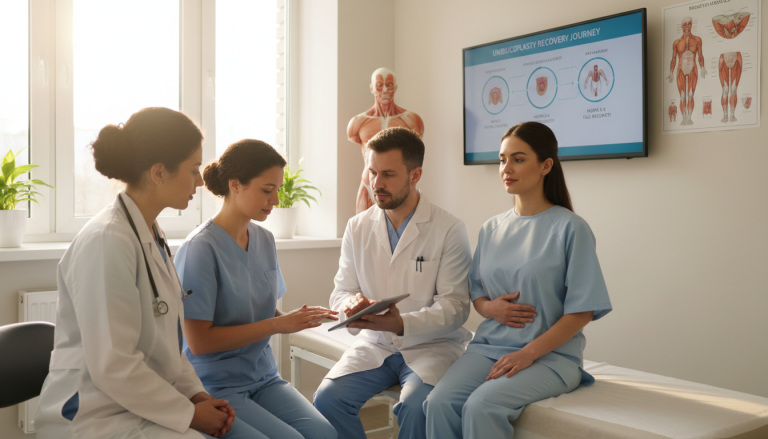
The journey to physical recovery is filled with complex emotions. Surgery aims to improve function or appearance, but the emotional journey is just as important. Prioritizing your mental health is key to a successful recovery.
Before and after surgery, you might feel many emotions. You could feel excited, anxious, or unsure about the results. We want you to share these feelings with our team. We’re here to listen and support you.

Setting realistic expectations is important for satisfaction with your surgery. We work with you to set goals based on your unique situation. Clear communication ensures you’re informed and confident throughout your healing.
Staying positive can greatly improve your recovery. Celebrating small victories keeps your spirits up. Our team is committed to your emotional well-being, making sure you feel heard and understood.
| Support Strategy | Benefit to Patient | Implementation |
|---|---|---|
| Open Communication | Reduces anxiety | Regular check-ins |
| Goal Setting | Aligns expectations | Pre-surgical planning |
| Emotional Support | Improves resilience | Care team guidance |
Navigating the Recovery from Reconstructive Surgery
Recovering from reconstructive surgery needs patience, preparation, and talking with your doctors. The first days after surgery are key for success. A clear plan helps you heal with confidence.
The first step is to rest and protect the surgery area. Your body works hard to repair tissues and fight off infection. Resting well helps your immune system stay strong.
Dealing with swelling and pain is part of recovery. Use cold packs and keep the area up to reduce swelling. Stick to your medicine to stay comfortable and rest.
It’s important to limit activities to let wounds heal. Avoid heavy lifting and hard exercise for a few weeks. This helps wounds heal better and reduces scarring.
| Recovery Phase | Primary Focus | Activity Level |
|---|---|---|
| Early (Days 1-7) | Wound care and rest | Minimal movement |
| Intermediate (Weeks 2-6) | Gradual mobility | Light, non-strenuous |
| Late (Months 3+) | Full functional return | Return to normal |
Learning about your recovery is key. Keep track of your symptoms and any questions. Being active in your care plan helps you work better with your doctors.
Potential Risks and Complications to Monitor
We believe in being open about surgical risks to build trust and keep patients safe. Reconstructive surgery can change lives, but knowing the risks is key. Our team is here to give you the info you need to feel safe on your journey.
Every surgery has risks, like infection or slow healing. We manage these risks with careful planning and strict cleanliness. Spotting these issues early is the best way to handle them and keep your recovery smooth.
Keep an eye on your surgical site for signs like redness, swelling, or drainage. If you see any, call our office right away. Talking openly with our team helps us act fast and support your healing.
We focus on safety with detailed post-op instructions for you. By following these, you help avoid complications and get the best results. We’re always ready to answer your questions and ease any worries.
| Potential Risk | Common Warning Sign | Recommended Action |
|---|---|---|
| Infection | Increased redness or heat | Contact your surgeon |
| Delayed Healing | Persistent wound opening | Schedule a follow-up |
| Excessive Swelling | Tightness or discomfort | Elevate and monitor |
Post-Operative Rehabilitation and Physical Therapy
After surgery, the real work starts with targeted rehabilitation. This stage is key to the treatment for reconstructive surgery. It helps your body heal and function well. We focus on controlled movement to help you regain your independence.
We create exercise programs just for you. These routines help restore strength, flexibility, and movement. Our team watches your progress and adjusts the therapy as needed.
Our therapy model supports you in achieving the best outcomes. We know recovery can be tough. That’s why we guide you every step of the way. For more on recovery, check out biopsija posledice i terapije oporavak to understand the healing process better.
Here’s what you gain from a structured rehab program:
| Rehabilitation Focus | Primary Benefit | Treatment for Reconstructive Surgery Goal |
|---|---|---|
| Range of Motion | Prevents joint stiffness | Restores natural movement |
| Muscle Strengthening | Supports surgical sites | Enhances physical stability |
| Scar Tissue Management | Improves skin elasticity | Optimizes aesthetic and functional healing |
| Functional Training | Boosts daily independence | Ensures long-term success |
We’re dedicated to your long-term health. By following your physical therapy plan, you’re actively involved in your recovery. Together, we aim for results that last for years.
Long-Term Outcomes and Follow-Up Care
We see healing as a long-term partnership, not just a short-term fix. The first few weeks after recovery from reconstructive surgery are key. But, the real success of your surgery comes from ongoing care. Our team is committed to your health, making sure your results last and work well over time.

Regular check-ups help us keep a close eye on your healing. These visits let us catch any small changes in tissue health early. They also give us a chance to talk about any late-stage worries that might come up as your body adjusts. By being proactive, we can tackle any issues before they affect your daily life.
Our care for you doesn’t stop after surgery. We offer full support to help your recovery from reconstructive surgery stay on track. We guide you through every part of your healing. For more tips on taking care of yourself after surgery, check out our guide to post-operative recovery.
| Care Phase | Primary Focus | Goal |
|---|---|---|
| Early Recovery | Wound healing | Prevent infection |
| Intermediate | Functional mobility | Restore strength |
| Long-Term | Durability | Maintain results |
Choosing the Right Surgical Team and Facility
Your choice of surgical team is key to a successful recovery. It’s not just about names; it’s about finding the right fit for you. A dedicated surgical team will make sure you’re comfortable and safe every step of the way.
When looking for surgeons, check their board certifications and experience. Also, make sure the facility is top-notch. A great medical center has strict safety rules and the latest technology for the best results.
Here are some things to think about when choosing:
| Factor | What to Look For | Why It Matters |
|---|---|---|
| Surgeon Credentials | Board certification and specialized training | Ensures high clinical standards |
| Facility Standards | Accreditation and modern equipment | Guarantees safety and precision |
| Patient-Centered Care | Clear communication and support | Improves the overall recovery journey |
Choosing Acıbadem Healthcare Group means you get a team that cares about you. We focus on top medical standards and support. You deserve a team that puts your health first, making you feel confident and safe.
Advancing Quality of Life Through Surgical Innovation
Modern medicine keeps pushing what’s possible for patients. We see surgical innovation as key to better outcomes. New tech lets surgeons at places like Acıbadem Healthcare Group do things thought impossible before.
We aim to empower you with knowledge and support. We want you to feel confident and supported on your health journey. Our goal is to restore both form and function with care and precision.
Healing is more than just a procedure. It’s about trust and caring for your well-being. Reach out to our specialists to see how new surgery methods can improve your life. Your health is our main focus as we work towards the best results together.
FAQ
Q: What is reconstructive surgery and how does it differ from cosmetic procedures?
A: At Acıbadem Healthcare Group, reconstructive surgery aims to fix body parts damaged by birth defects, injuries, or disease. It’s different from cosmetic surgery, which mainly focuses on looks. Our goal is to fix tissues so patients can move better, feel sensations, and have strong structures. This improves their life quality.
Q: What are the most common causes of reconstructive surgery?
A: Many reasons lead to reconstructive surgery. Some patients need it after severe burns or complex fractures. Others have it after cancer treatments, like mastectomies. We also help those with birth defects or damage from diseases. Each case gets a custom plan to fix the problem.
Q: What does the treatment for reconstructive surgery typically involve?
A: Treatment starts with detailed checks and planning. We use advanced imaging to understand each patient’s body. During surgery, we use tissue transfer and microsurgery. This means moving healthy tissue and blood vessels to fix the damage.
Q: What should I expect during my recovery from reconstructive surgery?
A: Recovery is a journey that needs patience and following doctor’s advice. First, we give clear care instructions. Later, physical therapy helps regain strength and movement. We create special exercise plans for each patient.
Q: Are there specific risks or complications I should be aware of?
A: Yes, there are risks like infection or delayed healing. At Acıbadem Healthcare Group, we focus on safety. We teach patients to watch for signs and have follow-up care. This helps us catch any issues early.
Q: How do you address the psychological impact of undergoing these procedures?
A: We know the journey is emotional. We manage expectations and offer support. Our team helps patients understand the emotional side of recovery. We work together to make sure patients feel supported.
Q: Why is choosing the right surgical team important for my outcome?
A: The right team is key for success. Choosing Acıbadem Healthcare Group means getting top-notch care. We use the latest tech and focus on both physical and emotional health.