How Do You Know If You Have a Hernia?
Understanding What a Hernia Is
How Do You Know If You Have a Hernia? A hernia happens when an organ or tissue sticks out through a weak spot in the muscle. This usually happens in the belly area. It’s often called an Abdominal Hernia.
Definition of a Hernia
A hernia is when an organ bulges through the cavity wall. This can hurt and cause problems if not treated. Doctors sort hernias by where they are and how they stick out.
Types of Hernias
There are several types of hernias, with different issues and signs. Knowing about the Hernia Types helps find and treat them right. Let’s look at some common ones:
- Inguinal Hernia: Most common in the groin.
- Femoral Hernia: Often below the groin, more in women.
- Umbilical Hernia: By the navel, common in babies and pregnant ladies.
- Hiatal Hernia: Some stomach pushes through the chest wall.
It’s key to understand what a Hernia is and its types. Many people around the world have hernias. This highlights the need to know about them and catch them early.
| Type of Hernia | Common Location | Population Affected |
|---|---|---|
| Inguinal Hernia | Groin | Mostly Men |
| Femoral Hernia | Just below the inguinal ligament | Women |
| Umbilical Hernia | Navel | Infants, Pregnant Women |
| Hiatal Hernia | Diaphragm | Adults, often over 50 |
Common Symptoms of a Hernia
Spotting hernia signs early is crucial. It helps in getting help soon and preventing problems. Hernia symptoms start small, but they can get worse. So, it’s key to know the signs from the start to the more serious symptoms. If you feel strange pain, know it’s important to understand what’s happening.
Initial Signs
At first, hernia symptoms might not be that obvious. Look out for these signs:
- A bulge in the belly or groin area. It shows more when you stand or push on it.
- You might have a bit of pain when you bend, cough, or lift heavy stuff.
- Feel like something heavy is pushing in your stomach or groin.
These first signs are important. If they don’t go away or feel worse, see a doctor.
Progressive Symptoms
If you don’t treat a hernia, it can get worse. You might start to notice:
- More and more pain, spreading from where the hernia is.
- A swelling that stays, even when you lay down.
- You might feel sick or throw up. This could be a serious sign.
- Problems using the bathroom, like not being able to go or getting blocked up.
Don’t ignore these later signs. Seeing a doctor early can stop things from getting worse.
Hernia Pain: What It Feels Like
Hernia pain shows in the belly and feels different for every person. It changes based on the type and how bad it is.
Describing Hernia-Related Pain
Hernia pain is like a spot that hurts more when you move, like when you lift stuff or bend. It might feel dull, sharp, or like something is burning. This pain could be there all the time or come and go. If not taken care of, it might get worse, especially when doing things that need effort.
When to Seek Medical Attention
Knowing when to go to the doctor for hernia pain is important. If the pain is always there or very strong, see a doctor right away. Feeling a lump that won’t go back in, or having nausea, throwing up, or feeling feverish are also bad signs. They could mean a serious problem needs quick medical help.
| Symptom | Characteristics | Action Required |
|---|---|---|
| Persistent Pain | Dull ache or sharp pain in the abdomen | Consult a healthcare provider |
| Soreness | Uncomfortable, localized tenderness | Seek medical advice if persistent |
| Intense, Sudden Pain | Sharp and severe discomfort | Immediate medical attention needed |
| Nausea/Vomiting | Associated with discomfort and lump | Urgent medical evaluation required |
Specific Hernia Types and Their Symptoms
It’s key to know each hernia’s signs for the right care. We’ll talk about inguinal, umbilical, and abdominal hernias. This info comes from experts in medicine and tests they’ve done.
Inguinal Hernia Symptoms
An inguinal hernia shows as a bulge in the groin or scrotum. This bulge might hurt when you lift heavy things, cough, or bend. Guys may feel like something is pulling in their groin. Sometimes, the scrotum swells. They might also feel the area is heavy or tight.
Umbilical Hernia Symptoms
Umbilical hernias make a soft bump near the belly button. It gets bigger when you laugh, cry, or strain. Babies’ hernias may be most obvious when they cry. For adults, it could hurt at the bump, especially when you’re active. A bad one can make you feel sick, needing quick doctor help.
Abdominal Hernia Symptoms
An abdominal hernia can look like a bump in your stomach. It stands out more when you’re up or moving. You might always have stomach pains or soreness. Some feel like it’s pulling or aching. Others get constipated or always feel full. A serious hernia can stop blood flow and make you very sick. If that happens, you need to see a doctor right away.
How Do You Know If You Have a Hernia? (duplicate, adjust structure as needed)
Spotting a hernia can be tough. The main clue is a noticeable bump in your belly or groin. It sticks out more when you stand, cough, or push. This bump might hurt or feel strange sometimes. How Do You Know If You Have a Hernia?
Also, watch for a heavy or weak spot where the bump is. You might find it hard to lift things. At times, the pain can spread around. These signs tell you it’s time to see a doctor. How Do You Know If You Have a Hernia?
Knowing early about a hernia can help a lot. If you think you have one, see a doctor soon. They can talk about how to treat it and keep it from getting worse. How Do You Know If You Have a Hernia?
Diagnosing a Hernia
To find out if someone has a hernia, a doctor carefully checks them. They look for signs and figure out what type it is. Knowing this is super important for how to treat it.
Physical Examination
The first thing a doctor does is a full-body check for hernias. They’ll check for bumps and see if it hurts when they press. You might need to stand up or cough. This makes the hernia more visible. A detailed check is key to knowing what to do next.
Imaging Tests
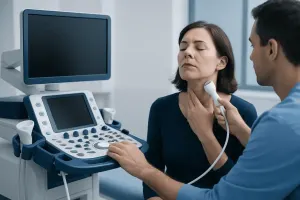
Sometimes, doctors need special pictures to be sure about a hernia. They might use ultrasounds, CT scans, or MRIs. These give clear views inside. It helps them see where the hernia is and what’s happening.
| Imaging Test | Utility | Advantages |
|---|---|---|
| Ultrasound | Detects soft tissue abnormalities | Non-invasive, no radiation |
| CT Scan | Provides cross-sectional images | Detailed view, helpful in complex cases |
| MRI | Offers detailed images of soft tissues | Highly detailed, no radiation |
Treatment Options for Hernias
There are many ways to treat a hernia. You can choose between surgery and non-surgical methods. Your doctor will help you choose the best option.
For small hernias, doctors often suggest non-surgical ways first. You can change your diet, keep your weight in check, and do special exercises. Wearing a belt or support can also help a lot.
For a bigger problem, surgery might be needed. This is a more certain way to fix a hernia. Doctors can do this surgery with one big cut or many small ones.
If you have open surgery, the cut is bigger and you might be asleep or just numb. This is better for bigger hernias. Laparoscopic surgery is when small cuts are made and a small camera helps the doctor see. It makes you heal faster with less pain.
Here’s how the surgeries are different:
| Treatment Method | Incision Size | Recovery Time | Anesthesia |
|---|---|---|---|
| Open Surgery | Large | Longer | General or Local |
| Laparoscopic Surgery | Small | Shorter | General |
The choice between the types of surgery depends on your hernia and your health. Your doctor will guide you to pick the best way for you. Together, you will find the best Hernia Treatment for a quick recovery.
When is Surgery Necessary?
Deciding on hernia surgery is not just about the symptoms. It looks at the hernia’s size, where it is, and the patient’s health. We’ll check the main points and what surgery options are out there.
Factors Influencing Surgery
Size and symptoms of the hernia are first looked at. Larger hernias with severe symptoms might need surgery first. The hernia’s spot is also key; like inguinal hernias may need care sooner because they can get worse.
How bad symptoms are is a big deal too. Chronic pain, big bulges, and stomach issues could mean surgery is needed. The patient’s age and health matter a lot. Younger and fit people often do better after surgery, so they may elect to get surgery sooner.
- Hernia Size: Bigger hernias might need surgery sooner.
- Hernia Location: Where the hernia is affects the timing of surgery.
- Symptom Severity: Bad symptoms may point to needing surgery.
- Patient Health: Health and age are crucial in deciding about surgery.
Types of Hernia Surgery
Once you know hernia surgery is needed, the next step is to pick how to do it. There are different surgeries, and each has its benefits.
| Type of Surgery | Description | Typical Use |
|---|---|---|
| Open Repair | A big cut is made to fix the hernia and reinforce the belly wall with mesh or stitches. | Good for big or tricky hernias needing careful repair. |
| Laparoscopic Surgery | A less invasive method using small cuts and a camera to help guide the repair. | GREAT for small hernias or for those who want less pain after surgery. |
| Robotic-Assisted Surgery | This is like laparoscopic but with robot aids, for better accuracy and fewer issues. | BEST for hard repairs in difficult places. |
Learning about the different surgery choices is important for making a good decision. Talking a lot with your doctors will help you choose what’s best for you. Knowing when surgery is needed and which one to pick is key for the best results.
Post-Surgery Recovery
After hernia surgery, you must take specific steps for a successful recovery. This care starts right after surgery and lasts for a while. We will look at the key points of *hernia post-surgery care*. I’ll give tips for both now and the long haul to help you heal well.
Immediate Aftercare
Right after surgery, managing pain and caring for the wound are key. You’ll get medicines for pain. It’s vital to take them as your doctor says. Clean, dry wounds lower infection risk. You should follow your healthcare team’s advice on changing dressings.
Walking a little bit also helps prevent blood clots and boosts blood flow.
Long-term Recovery Tips
Long-term *hernia recovery* means slowly getting back to daily life without overdoing it. Avoid heavy lifting for a few weeks. Eating lots of fiber helps with bowel movements and eases stress on your belly.
Keep in touch with your doctor regularly. This helps spot and treat any issues early. Focus on staying at a healthy weight and light exercise. These steps help in healing and lower the chance of the hernia coming back.
| Aspect | Immediate Aftercare | Long-term Recovery |
|---|---|---|
| Pain Management | Prescribed medications | Over-the-counter pain relief as advised |
| Wound Care | Keep site clean/dry, change dressings | Monitor for signs of infection |
| Activity Level | Light walking, avoid strenuous activity | Gradual reintroduction, no heavy lifting |
| Diet | Follow medical advice, avoid bloating foods | High-fiber diet to prevent strain |
| Follow-up | Initial post-op appointment | Regular check-ins to monitor progress |
Following these tips for *aftercare for hernia surgery* can make your recovery more straightforward. It also boosts your general healing.
Preventing Hernia Recurrence
After hernia surgery, it’s important to avoid it coming back. Using the right lifestyle changes and exercises helps a lot. This includes staying at a healthy weight and doing proper physical activities.
Lifestyle Changes
Maintaining a healthy weight is the first step. Too much weight can stress the belly and cause a hernia again. Eat well with lots of fiber, fruit, veggies, lean meats, and whole grains. Also, don’t lift heavy things and be careful how you move to keep the belly safe.
Exercise Recommendations
Doing certain exercises can help keep a hernia away. Walking and swimming are easy on the body and good for the belly. Also, do exercises that make the tummy stronger but are not too hard. Planks, leg raises, and deep breathing can help. But, ask your doctor first to make sure the exercises are right for you.