





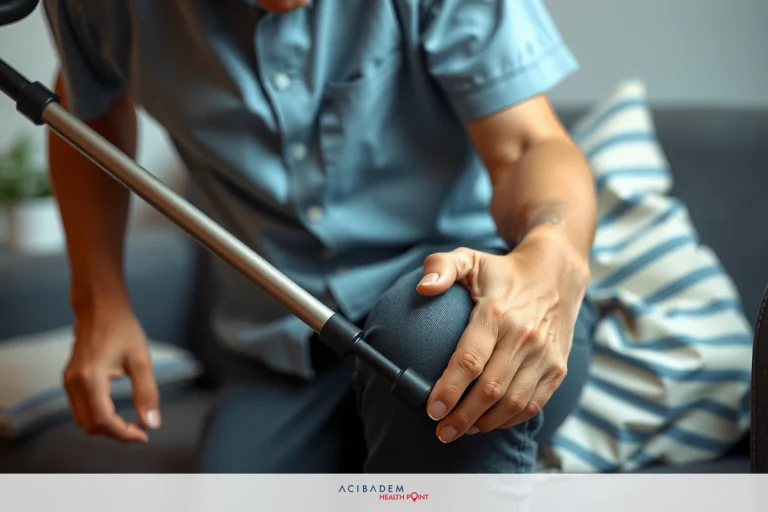
Where Can Lymphedema Occur: Common Areas Affected
Where Can Lymphedema Occur: Common Areas Affected Lymphedema is a condition characterized by swelling due to a malfunction in the lymphatic system. This system, which includes lymph nodes and vessels, helps filter and drain fluid throughout the body. When damaged, fluid buildup leads to noticeable swelling.
The arm and leg are the most commonly affected areas. For instance, surgeries for cancer, like breast cancer, often disrupt lymph flow in the arm. However, swelling can also appear in less common areas such as the abdomen, genitals, face, and neck.
Severity varies widely, from mild discomfort to significant disfigurement. Early detection is crucial to managing symptoms effectively. Understanding the lymphatic system’s role and recognizing affected areas can help address this condition promptly.
Understanding Lymphedema: An Overview
The lymphatic system plays a vital role in maintaining fluid balance in the body. When this system is damaged or disrupted, it can lead to a condition called lymphedema. This condition is marked by chronic swelling caused by the accumulation of lymph fluid in tissues.
What is Lymphedema?
Lymphedema occurs when the lymphatic system fails to drain fluid properly. Unlike the cardiovascular system, which has a central pump (the heart), the lymphatic system relies on muscle movement to transport lymph. This fluid contains proteins, white blood cells, and waste products that need to be filtered and removed.
Damage to lymph vessels or nodes can cause fluid to build up, leading to swelling. This damage often results from cancer treatments like surgery or radiation, which can remove or damage lymph nodes. In rare cases, lymphedema is caused by genetic conditions such as Meige or Milroy disease.
How Does the Lymphatic System Work?
Where Can Lymphedema Occur: Common Areas Affected The lymphatic system is a network of vessels and nodes that work together to filter and drain excess fluid. Lymph vessels have one-way valves that prevent backflow, ensuring fluid moves in the right direction. Lymph nodes act as filters, removing waste and fighting infections.
When the system is compromised, fluid accumulates, causing swelling and other complications. Obesity, infections, and injuries can also disrupt lymphatic function, leading to secondary lymphedema. Over time, untreated lymphedema can cause skin thickening and increase the risk of recurrent infections.
Where Can Lymphedema Occur: Common Areas Affected
Swelling caused by lymphatic system issues often appears in specific body regions. The arm and leg are the most frequently affected areas, but other zones like the abdomen, genitals, face, and neck can also experience fluid buildup. Understanding these common locations helps in early detection and management.
Arms and Legs
Where Can Lymphedema Occur: Common Areas Affected The affected arm is a primary concern for many breast cancer survivors. Up to 30% of patients develop swelling after surgery that removes 5-30 axillary lymph nodes. Similarly, the arm leg can be impacted by pelvic cancer treatments, such as those for prostate or cervical cancers. Prolonged sitting or wearing tight clothing can worsen swelling in these areas.
Abdomen and Genitals
Pelvic surgeries often lead to swelling in the abdomen and genitals. Symptoms include tightness and difficulty wearing clothes. This type of swelling can be bilateral or unilateral, depending on the extent of lymphatic damage. Compression garments are often used to manage symptoms in these regions.
Face and Neck
Head and neck radiation treatments can cause facial swelling. This type of swelling is less common but can significantly impact daily life. Early intervention is crucial to prevent complications like skin thickening or recurrent infections.
Causes of Lymphedema
Understanding the root causes of lymphedema is essential for effective management. This condition arises from disruptions in the lymphatic system, which can be genetic or acquired. Identifying these causes helps in tailoring treatment plans and improving outcomes.
Primary Lymphedema
Primary lymphedema is caused by genetic factors and is present from birth or develops later in life. It is less common and includes three main subtypes. Milroy’s disease appears in infancy, Meige syndrome emerges during puberty, and lymphedema tarda occurs after age 35. These conditions result from abnormalities in the lymphatic system’s development.
Secondary Lymphedema
Secondary lymphedema accounts for 95% of cases and is caused by external factors. Common triggers include cancer treatment, such as surgery or radiation, which can damage lymph nodes or vessels. For example, breast cancer surgery often leads to arm swelling, while melanoma treatments may affect the legs.
Where Can Lymphedema Occur: Common Areas Affected Other causes include infections like cellulitis, which can damage lymphatic pathways. In tropical regions, the parasitic infection filariasis is a leading cause, affecting millions globally. Obesity also plays a role by exerting mechanical pressure on lymph vessels, hindering fluid drainage.
Recognizing these causes is vital for prevention and early intervention. Addressing underlying factors, such as managing infections or maintaining a healthy weight, can reduce the risk of developing this condition.
Symptoms of Lymphedema
Recognizing the symptoms of lymphedema early can make a significant difference in managing the condition. This chronic swelling often starts subtly but can progress if left untreated. Understanding the signs at each stage helps in seeking timely care.
Early Signs to Watch For
In the initial stages, swelling may not be visible, but a feeling of heaviness or fullness is common. Tightness in jewelry or clothing, especially rings or socks, is a key indicator. Pitting edema, where the skin retains an indentation when pressed, is another early sign.
Other early symptoms include mild discomfort or a sensation of warmth in the affected area. These signs are often reversible with prompt treatment, making early detection crucial.
Advanced Symptoms
As the condition progresses, swelling becomes more pronounced and persistent. The skin may develop a texture resembling orange peel, known as peau d’orange. Hyperkeratosis, or thickening of the skin, can also occur, leading to reduced mobility.
In severe cases, fluid may leak from the skin, and the risk of infection increases. Chronic lymphedema can also lead to lymphangiosarcoma, a rare but serious form of cancer. Emotional distress, such as anxiety about visible swelling, is another challenge for many patients.
| Stage | Early Symptoms | Advanced Symptoms |
|---|---|---|
| Stage 0 | Heaviness, tightness, pitting edema | N/A |
| Stage 3 | N/A | Leaking fluid, peau d’orange skin, hyperkeratosis |
Triggers like heat, air travel, or overexertion can worsen symptoms. Managing these factors, along with proper treatment, can help improve quality of life for those affected.
Types of Lymphedema
Lymphedema manifests in different forms, each with unique characteristics. Understanding these types and their progression is essential for effective management. This section explores primary and secondary lymphedema, as well as the stages of the condition.
Primary vs. Secondary Lymphedema
Primary lymphedema is a rare, congenital condition caused by genetic abnormalities in the lymphatic system. It can appear at birth, during puberty, or later in life. Common subtypes include Milroy’s disease, Meige syndrome, and lymphedema tarda. These conditions result from underdeveloped or malformed lymph vessels.
Where Can Lymphedema Occur: Common Areas Affected Secondary lymphedema is more common and often linked to external factors. Cancer treatment, such as surgery or radiation, is a leading cause. For example, breast cancer survivors may develop swelling in the arm due to lymph node removal. Other triggers include infections, obesity, and injuries that damage the lymphatic system.
Stages of Lymphedema
Lymphedema progresses through four stages, each with distinct symptoms. Early stages are reversible, while advanced stages require more intensive treatment.
- Stage 0: No visible swelling, but a feeling of heaviness or tightness may occur.
- Stage 1: Mild swelling that improves with elevation. Pitting edema is common.
- Stage 2: Persistent swelling with skin thickening. Elevation no longer reduces swelling.
- Stage 3: Severe swelling, skin changes, and fibrosis. Surgery may be necessary.
Early intervention is crucial to prevent complications like tissue hardening and recurrent infections. For instance, 20% of breast cancer survivors develop stage 1-2 lymphedema, emphasizing the need for prompt care.
| Stage | Key Symptoms | Management |
|---|---|---|
| Stage 0 | Heaviness, tightness | Monitoring, lifestyle changes |
| Stage 1 | Mild swelling, pitting edema | Elevation, compression garments |
| Stage 2 | Persistent swelling, skin thickening | Manual lymphatic drainage, therapy |
| Stage 3 | Severe swelling, fibrosis | Surgery, advanced treatment |
Recognizing the stages and types of lymphedema helps in tailoring treatment plans. Early detection and proactive care can significantly improve outcomes for tho

se affected.
Diagnosing Lymphedema
Accurate diagnosis is the first step in managing lymphatic system issues effectively. Early detection helps prevent complications and improves treatment outcomes. A combination of medical examinations and advanced diagnostic tests is used to identify fluid buildup and its underlying causes.
Medical Examination
During a medical exam, doctors assess visible swelling and evaluate the affected area. Circumferential measurements and volume tracking are common methods to monitor changes over time. Family history is also reviewed, especially for primary cases linked to genetic factors.
Lab tests, such as a complete blood count (CBC), may be ordered to rule out infection or other conditions. These tests provide valuable insights into the patient’s overall health and help narrow down the diagnosis.
Diagnostic Tests
Advanced imaging techniques play a crucial role in diagnosing lymphatic dysfunction. Lymphoscintigraphy uses a radioactive tracer to map the flow of lymph fluid, identifying blockages or abnormalities in the lymph nodes and vessels.
Bioimpedance spectroscopy detects subclinical cases by measuring fluid levels in tissue. CT or MRI scans may be used to rule out tumors or other structural issues. Indocyanine green fluorescence imaging is another innovative tool that provides real-time visualization of lymphatic flow.
It’s important to differentiate lymphedema from venous insufficiency, which often presents with swelling and varicose veins. Accurate diagnosis ensures the right treatment plan is implemented for optimal results.
Management Strategies for Lymphedema
Where Can Lymphedema Occur: Common Areas Affected Effective management of lymphatic system issues requires a combination of proven strategies. These methods aim to reduce swelling, improve mobility, and enhance quality of life. From specialized therapies to lifestyle adjustments, a tailored approach ensures the best outcomes.
Manual Lymphatic Drainage
Manual lymphatic drainage (MLD) is a gentle massage technique that encourages fluid movement toward functioning lymph nodes. Certified therapists use light, rhythmic strokes to stimulate drainage and alleviate discomfort. This method is particularly effective when combined with other therapies.
MLD is not suitable for everyone. Contraindications include acute infections, deep vein thrombosis (DVT), and congestive heart failure. Always consult a healthcare professional before starting this treatment.
Compression Therapy
Compression garments and bandages apply controlled pressure to the affected area, preventing fluid buildup. Garments with 20-30mmHg pressure are commonly used for mild to moderate cases, while bandages are ideal for severe swelling.
Improper fitting can worsen symptoms, so it’s essential to get professionally measured. Pneumatic compression devices, which use air pressure, are another option for home use. These devices mimic the effects of MLD and are easy to incorporate into daily routines.
Exercise and Movement
Regular exercise promotes lymphatic flow and helps reduce swelling. Low-impact activities like walking, swimming, and yoga are highly recommended. Studies show that 30-minute daily walks can significantly decrease limb volume.
Aquatic therapy is another excellent option, as water provides gentle resistance without straining joints. Always start slowly and consult a therapist to ensure safety and effectiveness.
| Treatment | Benefits | Considerations |
|---|---|---|
| Manual Lymphatic Drainage | Stimulates fluid movement, reduces discomfort | Avoid during infections or DVT |
| Compression Therapy | Prevents fluid buildup, improves mobility | Requires proper fitting |
| Exercise and Movement | Promotes lymphatic flow, reduces swelling | Start slowly, consult a therapist |
Preventing Lymphedema
Preventing fluid buildup starts with proactive care and healthy habits. By focusing on skin protection and lifestyle adjustments, you can reduce the risk of swelling and maintain lymphatic health. Here are practical steps to help you stay ahead.
Skin Care Tips
Healthy skin is your first line of defense. Moisturizing daily prevents cracks that can lead to cuts or injuries. Use pH-neutral cleansers and fragrance-free moisturizers to avoid irritation. Applying SPF 30+ sunscreen protects against burns, which can damage skin and increase swelling risks.
Avoid blood pressure cuffs on at-risk arms to prevent pressure on lymph vessels. Be cautious with activities that expose you to heat, like hot yoga or saunas. Insect bites can also cause injuries, so use repellents when outdoors.
Lifestyle Changes
Maintaining a healthy weight is crucial. Aim for a BMI under 30 through a balanced diet and regular exercise. Gradual weight training, starting with 0.5kg, can strengthen muscles without straining the lymphatic system.
Stay hydrated to keep lymph fluid viscosity low, promoting better flow. Learn self-manual lymphatic drainage (MLD) techniques, especially after surgery, to encourage fluid movement. Avoid high-risk activities that could lead to cuts or injuries.
- Daily skincare routine: Use gentle cleansers and moisturizers.
- Protect at-risk areas: Avoid tight clothing and pressure cuffs.
- Stay active: Incorporate low-impact exercise like walking or swimming.
- Hydrate: Drink plenty of water to support lymphatic function.
Living with Lymphedema
Managing daily life with lymphatic swelling involves both physical and emotional adjustments. From morning routines to workplace accommodations, small changes can make a big difference. Emotional support is equally important, as many people experience anxiety or depression alongside their condition.
Daily Care and Routine
Starting the day with a consistent routine helps manage symptoms effectively. Begin with a thorough skin inspection to check for cuts or infections. Apply compression garments to reduce swelling and improve mobility. Adaptive clothing brands offer comfortable options that make daily activities easier.
Traveling with lymphedema requires extra planning. Wear compression garments during flights and carry an emergency kit with essentials. At work, ergonomic adjustments like adjustable chairs or standing desks can reduce discomfort. Staying active with low-impact exercises like walking or swimming promotes lymphatic flow.
Emotional and Psychological Support
Living with chronic swelling can take a toll on mental health. Around 40% of people report anxiety or depression. Support groups provide a safe space to share experiences and coping strategies. Psychological therapies like cognitive behavioral therapy (CBT) or mindfulness meditation can help manage emotional pain.
Sexual health considerations are important for those with genital swelling. Open communication with partners and healthcare providers ensures proper care. Financial aspects, such as insurance coverage for compression garments, also play a role in managing the condition effectively.
| Aspect | Tips |
|---|---|
| Daily Routine | Skin inspection, garment application, adaptive clothing |
| Travel | Compression during flights, emergency kits |
| Workplace | Ergonomic adjustments, regular breaks |
| Emotional Support | Support groups, CBT, mindfulness |
| Sexual Health | Open communication, specialized care |
| Financial | Insurance coverage, cost-effective solutions |
Taking Control of Your Lymphedema Journey
Taking charge of your health journey starts with understanding and managing fluid buildup effectively. Early intervention preserves 89% of limb function, making proactive care essential. Begin by tracking symptoms in a diary to share with your healthcare team. This helps tailor treatment plans to your needs.
Build a multidisciplinary care team, including physical therapists, oncologists, and mental health professionals. This approach ensures comprehensive support for your body and mind. Lifelong monitoring is crucial to reduce swelling and prevent complications.
Advocacy organizations like LE&RN provide resources and community support. Stay informed about emerging treatments, such as VEGF-C gene therapy, which shows promise in restoring lymph nodes function. Most people manage symptoms effectively with the right care and support.
By staying proactive and informed, you can take control of your journey and improve your quality of life. Empowerment starts with small, actionable steps today.


