





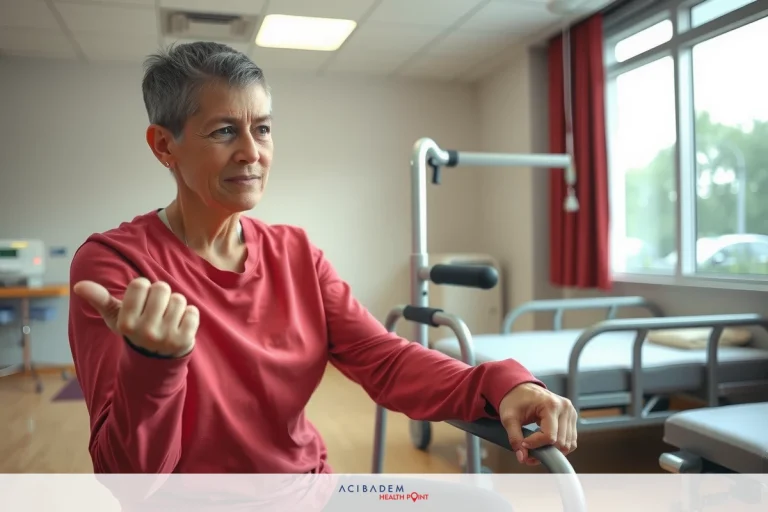
What to Wear with Lymphedema: Comfortable Clothing Options
What to Wear with Lymphedema: Comfortable Clothing Options Managing lymphedema requires thoughtful choices in daily life, especially when it comes to clothing. This condition, caused by fluid buildup due to lymphatic system issues, can lead to discomfort and swelling. The right attire can make a significant difference in managing symptoms effectively.
Compression garments are a key solution for reducing swelling and improving lymph flow. These specialized pieces apply gentle pressure to the affected areas, promoting better circulation. They are designed to support the body while maintaining comfort throughout the day.
When selecting clothing, prioritize soft, breathable fabrics that avoid irritation. Restrictive designs or tight materials can worsen symptoms, so opt for adaptive styles that accommodate different body areas. The goal is to balance therapeutic support with everyday practicality.
By focusing on comfort and functionality, individuals can make informed wardrobe choices that enhance their quality of life. Proper attire not only reduces discomfort but also empowers those managing lymphedema to feel confident and supported.
Understanding Lymphedema and Its Challenges
Lymphedema is a chronic condition that affects the lymphatic system, leading to fluid buildup and swelling. This occurs when the system, responsible for managing lymph fluid and immunity, becomes compromised. The result is abnormal protein-rich fluid accumulation, which can cause discomfort and mobility issues.
What is Lymphedema?
Lymphedema can be classified as primary or secondary. Primary lymphedema is often genetic, while secondary lymphedema may result from cancer treatments, infections, or injuries. Both types disrupt the body’s ability to manage lymph fluid effectively.
The condition progresses through stages, from mild swelling to severe fluid retention. Early stages may involve reversible swelling, but advanced stages can lead to permanent changes in skin texture and mobility. Recognizing these stages is crucial for effective management.
How Clothing Can Help Manage Symptoms
Poorly fitting clothes can worsen swelling and even cause skin damage. Tight materials restrict circulation, while rough fabrics may irritate sensitive skin. Choosing the right attire is essential for minimizing discomfort.
Compression garments play a vital role in preventing fluid accumulation. These specialized pieces apply gentle pressure to affected areas, promoting better lymph flow. They are designed to support the body without causing irritation.
Breathable fabrics are another key consideration. Materials like cotton or moisture-wicking blends reduce the risk of infection and keep the skin dry. Clothing should be part of a holistic plan to manage lymphedema effectively.
Key Features of Comfortable Clothing for Lymphedema
Selecting the right attire can significantly improve comfort for those managing lymphedema. The right fabrics and designs help reduce swelling and prevent skin irritation. Prioritizing soft, breathable materials and adjustable styles ensures daily comfort and support.
Soft and Breathable Fabrics
Soft fabrics like bamboo, cotton, and moisture-wicking synthetics are ideal. These materials reduce the risk of skin irritation and keep the body dry. Rough textures should be avoided, as they can aggravate sensitive skin.
Tagless designs and seamless construction add extra comfort. These features eliminate friction, making clothing easier to wear for extended periods. Breathable fabrics also help regulate body temperature, preventing overheating.
Adjustable and Non-Restrictive Designs
Clothing with adjustable closures, such as Velcro or elastic bands, offers a customizable fit. This is especially important for areas prone to swelling. Avoid tight elastic cuffs or constrictive designs that can hinder circulation.
Flat seams and loose-fitting styles reduce pressure on the skin. Layering strategies can also help manage temperature changes effectively. The goal is to provide support without restricting movement.
| Feature | Benefit |
|---|---|
| Soft Fabrics | Reduces skin irritation and enhances comfort |
| Adjustable Closures | Provides a customizable fit for swollen areas |
| Seamless Construction | Eliminates friction and improves wearability |
| Moisture-Wicking Materials | Keeps the skin dry and prevents overheating |
Compression Garments: A Vital Part of Lymphedema Care
Compression garments are essential tools for managing fluid buildup in the body. These specialized pieces apply gentle pressure to swollen areas, promoting better lymph flow and reducing discomfort. They are designed to support affected limbs while maintaining comfort throughout the day.
Types of Compression Garments
Compression garments come in various forms, tailored to specific body areas. Sleeves are ideal for arm swelling, while stockings address leg and foot issues. Bras and shorts provide targeted support for the chest and lower body. Each type is designed to cover the entire swollen area, ensuring effective treatment.
Multi-layered bandaging is another option for severe cases. This method uses multiple layers of fabric to apply consistent pressure, helping to reduce swelling and improve mobility. Daytime and nighttime designs cater to different needs, offering flexibility in care routines.
How Compression Garments Work
Compression garments mimic muscle movement to aid lymph fluid flow. Gradient compression applies higher pressure at the extremities, gradually decreasing toward the body. This design encourages fluid to move away from swollen areas, reducing buildup and discomfort.
Professional fitting is crucial to avoid complications. Signs of improper fit include numbness, tingling, or discoloration. Regularly replacing garments every six months ensures they remain effective and supportive.
| Type | Body Area | Purpose |
|---|---|---|
| Sleeves | Arm | Reduce swelling in the upper limb |
| Stockings | Leg | Address fluid buildup in the lower limb |
| Bras | Chest | Provide support for breast swelling |
| Shorts | Lower Body | Manage swelling in the abdominal area |
What to Wear with Lymphedema in Different Body Areas
Swelling in different body parts requires tailored clothing solutions for better comfort. Adaptive garments can help manage fluid buildup effectively, ensuring support and ease throughout the day. Here’s how to address swelling in specific areas: What to Wear with Lymphedema: Comfortable Clothing Options
Arm and Hand Swelling
For arm swelling, full-coverage compression sleeves are ideal. They apply gentle pressure to reduce fluid buildup. Pair them with fingerless gloves to address hand edema. This combination ensures full support without restricting movement.
Leg and Foot Swelling
Open-toe stockings are a great choice for leg and foot swelling. They provide breathability while applying consistent pressure. Avoid tight cuffs or elastic bands that can hinder circulation. These garments keep the feet dry and comfortable.
Breast and Chest Swelling
Wireless bras with wide straps offer excellent support for breast and chest swelling. Avoid underwire designs, as they can cause discomfort. Look for soft, moisture-wicking fabrics to keep the skin dry and irritation-free.
Genital and Abdominal Swelling
What to Wear with Lymphedema: Comfortable Clothing Options Custom-made compression shorts are effective for genital and abdominal swelling. They provide targete

d support without restricting movement. Avoid tight waistbands that can worsen discomfort. These garments are designed for both comfort and functionality.
- Use full-coverage sleeves and fingerless gloves for hand edema.
- Opt for open-toe stockings to address foot swelling.
- Choose wireless bras with wide straps for breast and chest support.
- Invest in custom-made compression shorts for abdominal and genital areas.
- Avoid tight waistbands or restrictive designs.
Tips for Choosing the Right Compression Garments
Choosing the right compression garments can make a significant difference in managing symptoms effectively. Proper fit and understanding compression levels are key to maximizing their benefits. Here’s how to ensure you select the best options for your needs.
Getting Properly Fitted
Professional measurement is crucial for the efficacy of compression garments. A doctor or certified fitter can take accurate measurements to ensure the garment fits snugly without causing discomfort. Avoid off-the-shelf purchases without consultation, as improper fit can lead to wrinkles or loose areas that reduce effectiveness.
During fitting, check for any signs of tightness or looseness. Garments should apply consistent pressure without restricting movement. Insurance often covers these items, but a prescription may be required. Rotating two garments every six months ensures they maintain their shape and functionality.
Understanding Compression Levels
Compression classes range from 20-50 mmHg, each suited for different needs. Mild compression (20-30 mmHg) is ideal for early-stage swelling, while higher levels (30-50 mmHg) address severe fluid retention. Your doctor can recommend the appropriate class based on your condition.
Garments lose their effectiveness over time, so replacing them every six months is essential. This ensures they continue to provide the necessary support. Proper care and rotation extend their lifespan, making them a reliable way to manage symptoms.
How to Care for Your Lymphedema Clothing
Proper care for lymphedema clothing ensures longevity and effectiveness. Maintaining your garments helps them provide consistent support and comfort. Follow these tips to keep your attire in top condition.
Washing and Drying Tips
Use a mild detergent when cleaning your garments. Harsh chemicals can damage the fabric and reduce elasticity. Hand-washing is often recommended, but if machine-washing, use a gentle cycle.
Avoid fabric softeners, as they can degrade the material’s compression properties. Air-dry your garments flat to maintain their shape. Heat from dryers can weaken the fabric and cause shrinkage.
When to Replace Your Garments
Inspect your garments regularly for signs of wear. Look for pilling, weakened seams, or stretched areas. These issues can reduce their effectiveness in managing symptoms.
Replace your compression attire every six months to ensure optimal support. Over time, the material loses its elasticity, making it less effective. Proper storage, such as rolling instead of folding, can extend their lifespan.
- Use mild detergent and avoid fabric softeners.
- Air-dry garments flat to preserve their shape.
- Inspect for pilling, tears, or weakened seams.
- Schedule replacements every six months.
- Store rolled, not folded, to maintain elasticity.
Daytime vs. Nighttime Clothing Options
Adapting your wardrobe for day and night can significantly improve comfort and support for managing symptoms. The right choices ensure mobility during the day and restful comfort at night. Understanding these differences helps create a balanced approach to daily living.
What to Wear During the Day
Daytime clothing should focus on mobility and practicality. Compression sleeves designed for daytime use provide support while allowing free movement. Moisture-wicking fabrics keep the skin dry during activities, reducing the risk of irritation. What to Wear with Lymphedema: Comfortable Clothing Options
Choose lightweight materials that breathe well, especially for warmer weather. Avoid tight bands or restrictive designs that can hinder circulation. These small adjustments make a big difference in daily comfort.
Nighttime Comfort and Support
Nighttime attire prioritizes gentle support and relaxation. Garments with adjustable straps or looser fits ensure comfort during sleep. Avoid tight pajama bands around limbs, as they can worsen swelling or cause discomfort.
Elevating limbs during sleep with loose clothing can help reduce fluid buildup. Soft, breathable fabrics like cotton or bamboo enhance nighttime comfort. These choices promote better rest and symptom management.
- Opt for moisture-wicking fabrics during the day.
- Use adjustable straps for nighttime support.
- Avoid tight bands around limbs.
- Elevate limbs with loose clothing during sleep.
Additional Tips for Managing Lymphedema with Clothing
Adapting your wardrobe can significantly enhance comfort for those managing fluid retention. Thoughtful clothing choices reduce irritation and support affected areas, making daily activities easier. Here are practical tips to help you navigate these adjustments effectively.
Layering for Comfort and Style
Layering is a smart way to manage temperature changes while maintaining style. Lightweight cardigans or jackets provide adjustable warmth without adding bulk. Choose soft, breathable fabrics that won’t irritate sensitive skin.
Magnetic closures or Velcro fasteners make layering easier for those with limited mobility. These adaptive features ensure comfort and convenience throughout the day. Layering also allows for flexibility in different environments, from indoor to outdoor settings.
Avoiding Tight or Restrictive Clothing
Tight clothing can worsen swelling and hinder circulation. Avoid constrictive designs like tight cuffs, waistbands, or elastic bands. Opt for loose-fitting styles that allow for movement and comfort. What to Wear with Lymphedema: Comfortable Clothing Options
Jewelry or accessories that constrict should also be avoided. Slip-on shoes are a great alternative to reduce bending and strain. These small changes can make a big difference in daily comfort.
- Use lightweight cardigans for adjustable warmth.
- Avoid jewelry or accessories that constrict.
- Choose slip-on shoes to reduce bending.
- Prioritize adaptive clothing with magnetic closures.
| Protective Measure | Benefit |
|---|---|
| Gloves for Gardening | Prevents skin irritation and protects against infections |
| Avoiding BP Cuffs on Affected Arms | Reduces pressure and prevents worsening of swelling |
| Compression Garments | Supports fluid management and reduces discomfort |
Empowering Yourself with the Right Clothing Choices
Making informed clothing decisions can transform daily life for those managing fluid retention. Proper attire reduces discomfort and improves mobility, enhancing overall quality of life. Compression garments play a key role in managing swelling, offering support without sacrificing comfort.
Consulting a doctor or specialist ensures personalized care plans tailored to your needs. Combining the right clothing with exercise and skincare routines maximizes results. These steps create a holistic approach to managing symptoms effectively.
What to Wear with Lymphedema: Comfortable Clothing Options Remember, clothing is a tool, not a limitation. Adaptive designs and breathable fabrics empower you to stay active and confident. By prioritizing comfort and functionality, you can take control of your daily routine and feel your best.


