





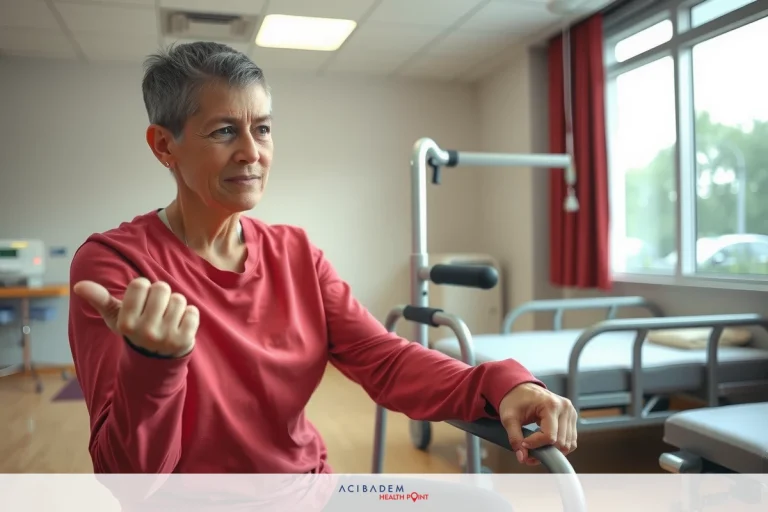
What to Take for Lymphedema: Treatment Options Explained
What to Take for Lymphedema: Treatment Options Explained Lymphedema is a chronic condition caused by damage to the lymphatic system, leading to fluid retention and swelling in the body. This condition can affect daily life, but with the right approach, symptoms can be managed effectively.
Treatment plans vary depending on the stage of the disease. Early-stage cases often respond well to non-surgical methods. These include compression garments, manual lymphatic drainage, and regular exercise to improve fluid movement.
For advanced stages, surgical options may be necessary to reduce swelling and improve function. Combining medical treatments with lifestyle adjustments, such as proper nutrition and infection prevention, is crucial for success.
Emerging therapies, like ketoprofen from recent clinical trials, offer hope for better management. Personalized care strategies ensure that each individual receives the most effective treatment for their needs.
Understanding Lymphedema: An Overview
This condition arises from impaired lymphatic drainage, leading to swelling in affected areas. It involves the accumulation of protein-rich fluid in tissue, often due to damage or dysfunction in the lymphatic system. Early diagnosis is crucial for effective management and preventing complications.
What is Lymphedema?
Lymphedema is a chronic disease caused by the inability of the lymphatic system to properly drain fluid. This results in persistent swelling, typically in the arms or legs. The condition can significantly impact mobility and quality of life, making timely intervention essential.
Primary vs. Secondary Lymphedema
There are two main types: primary and secondary. Primary lymphedema is congenital, often linked to genetic disorders like Milroy’s or Meige disease. It affects roughly 1 in 100,000 Americans. Secondary lymphedema, on the other hand, is acquired and commonly results from cancer treatments, such as lymph node removal or radiation. For example, 30% of breast cancer patients develop it post-treatment.
Both types share symptoms like swelling and increased risk of infection in affected limbs. However, their onset and triggers differ. Primary cases may appear in infancy or adulthood, while secondary cases often follow trauma or medical procedures. Understanding these distinctions helps in tailoring treatment plans for better outcomes.
The Lymphatic System and Its Role in Lymphedema
The lymphatic system plays a vital role in maintaining fluid balance and immune function. It consists of a network of vessels, lymph nodes, and organs that work together to transport fluid and remove waste from the body. This system ensures proper circulation and supports overall health.
How the Lymphatic System Works
The lymphatic system transports 2-3 liters of fluid daily. It collects excess fluid from tissues and returns it to the bloodstream. Lymph nodes filter out toxins and pathogens, aiding in immune defense. This process helps maintain pressure balance and prevents swelling.
Waste removal is another critical function. The system carries cellular debris and proteins to lymph nodes for filtration. This ensures that harmful substances are eliminated, reducing the risk of damage to tissues.
What Happens When the Lymphatic System Fails?
When the lymphatic system fails, fluid accumulates in tissues, causing swelling. This condition, known as lymphedema, often affects the arm or leg. The accumulated fluid is protein-rich and thicker than normal interstitial fluid.
Chronic failure leads to fibrotic tissue development, impairing flow further. Pressure changes in affected limbs worsen swelling, and the heart may struggle to maintain circulation. Wound healing capabilities are also compromised, increasing infection risks.
| Aspect | Impact |
|---|---|
| Fluid Transport | Reduced, causing swelling |
| Immune Function | Impaired, increasing infection risk |
| Tissue Health | Fibrotic changes, reduced healing |
| Circulation | Pressure imbalance, affecting limbs |
What to Take for Lymphedema: Treatment Essentials
Managing chronic swelling requires a combination of medical and lifestyle strategies. Proper care focuses on reducing discomfort and improving quality of life. This section explores medications, supplements, and dietary adjustments that can help manage symptoms effectively.
Medications and Supplements
Certain medications can provide relief from swelling and discomfort. Diuretics are sometimes used for temporary relief, but they should be used cautiously. Anti-inflammatory drugs like ketoprofen, FDA-approved for this condition, have shown promising results in reducing skin thickness by up to 40% in clinical trials.
Supplements also play a role in supporting skin health and tissue repair. Zinc and Vitamin C are commonly recommended to strengthen the skin and reduce the risk of infection. Always consult a healthcare provider before starting any new medication or supplement regimen.
Dietary Considerations
A balanced diet is crucial for managing fluid retention and supporting overall health. Limiting sodium intake to less than 2,300 mg per day can help reduce swelling. Including potassium-rich foods, such as bananas and spinach, helps balance sodium levels in the body.
Protein is essential for tissue repair, while antioxidants found in fruits and vegetables support immune function. Staying hydrated with 8-10 glasses of water daily is equally important. Limiting alcohol and caffeine intake can also prevent fluid retention and maintain stable blood pressure.
| Dietary Component | Recommendation |
|---|---|
| Sodium | Limit to |
| Potassium | Include bananas, spinach, avocados |
| Protein | Essential for tissue repair |
| Hydration | 8-10 glasses of water daily |
| Antioxidants | Found in fruits and vegetables |
Non-Surgical Treatment Options for Lymphedema
Effective management of chronic swelling often begins with non-surgical approaches. These methods focus on reducing discomfort, improving mobility, and enhancing quality of life. Below, we explore three key strategies: compression therapy, manual lymphatic drainage, and exercise/physical therapy.
Compression Therapy
Compression garments are a cornerstone of non-surgical treatment. Custom sleeves or stockings provide 20-30mmHg pressure, helping to reduce swelling and improve fluid movement. These garments are designed to fit snugly, ensuring consistent support.
Bandaging is another option, often used in the early stages of treatment. It offers adjustable pressure and can be tailored to individual needs. However, garments are more convenient for daily use. Regular replacement, typically every 3-6 months, ensures optimal effectiveness.
Manual Lymphatic Drainage
This specialized massage technique increases lymph flow velocity by 50%. Performed by trained therapists, it involves gentle, rhythmic movements to stimulate fluid drainage. Sessions are recommended 3-5 times weekly for best results.
Home maintenance routines can complement professional treatments. Simple techniques, like light stroking motions, help maintain progress between sessions. Always consult a therapist for proper guidance.
Exercise and Physical Therapy
Regular physical activity improves drainage capacity by 35%. Low-impact exercises, such as walking or swimming, are particularly beneficial. Aquatic therapy offers additional advantages, as water reduces pressure on affected limbs.
Muscle pump activation exercises, like ankle pumps or calf raises, enhance circulation. Safe intensity parameters should be followed to avoid overexertion. A physical therapist can design a personalized program to meet individual needs.
| Method | Key Features | Frequency |
|---|---|---|
| Compression Garments | 20-30mmHg pressure, custom fit | Daily wear, replace every 3-6 months |
| Manual Lymphatic Drainage | Increases lymph flow by 50% | 3-5 sessions weekly |
| Exercise/Physical Therapy | Improves drainage by 35% | 3-5 times weekly |
Surgical Interventions for Advanced Lymphedema
Advanced lymphedema often requires surgical intervention to manage severe symptoms. When non-surgical methods fall short, procedures can reduce swelling, improve mobility, and enhance quality of life. Surgical options are typically considered for stages 3 and 4, where chronic swelling causes significant damage to tissues.
Physiological Procedures
Physiological surgeries aim to restore lymphatic function. One common method is lymphaticovenous anastomosis, which connects lymphatic vessels to veins. This procedure achieves a 70% reduction in swelling for many patients.
Another option is microsurgical lymph node transplantation. Healthy lymph nodes are transferred to the affected area, improving drainage. This technique has an 85% patient satisfaction rate and is particularly effective for breast cancer-related cases.
Excisional Procedures
Excisional surgeries remove excess tissue to reduce swelling. The Charles procedure is a well-known example, capable of removing up to 8 liters of tissue. However, it may result in significant scarring.
Liposuction is another excisional method, ideal for fat-dominated edema. It offers immediate relief but requires post-op compression garments to maintain results. Surgeons carefully evaluate candidates to ensure the best outcomes.
| Procedure | Key Features | Success Rate |
|---|---|---|
| Lymphaticovenous Anastomosis | Connects vessels to veins | 70% volume reduction |
| Microsurgical Node Transfer | Transfers healthy lymph nodes | 85% satisfaction |
| Charles Procedure | Removes excess tissue | Up to 8L tissue removal |
| Liposuction | Targets fat-dominated edema | Immediate relief |
Recovery timelines vary, but most patients can expect gradual improvement over several weeks. Combined approaches, such as physiological and excisional techniques, often yield the best results. Always consult a qualified surgeon to determine the most suitable procedure for your needs. What to Take for Lymphedema: Treatment Options Explained
Preventing Lymphedema: Key Strategies
Preventing complications is essential for those managing chronic swelling. Daily habits and protective measures can significantly reduce risks and improve quality of life. By focusing on care and prevention, individuals can minimize the impact of this condition.
Maintaining Proper Hygiene
Proper hygiene reduces the risk of infection by 60%. Use a pH-balanced cleanser to maintain healthy skin. Moisturize with downward strokes to avoid irritation. Keep nails trimmed and clean to prevent cuts or scrapes.
Avoid extreme heat or cold, as temperature changes can worsen swelling. Protect the arm or breast area from burns and insect bites. Use electric razors to reduce cuts by 70%.
Protective Measures for the Affected Area
Wear a medical alert bracelet to inform healthcare providers about your condition. Avoid blood pressure measurements on the affected limb. During travel, stay hydrated with plenty of water and move regularly to improve circulation.
Regulate temperature to prevent swelling. Avoid injections or blood draws in the affected area. Watch for signs of infection, such as redness or warmth, and seek immediat

e care if symptoms arise.
Managing Symptoms and Improving Quality of Life
What to Take for Lymphedema: Treatment Options Explained Living with chronic swelling requires a proactive approach to manage symptoms and enhance daily life. By focusing on effective strategies, individuals can reduce discomfort and maintain a better quality of life. This section explores practical techniques for pain management and skin care, helping you navigate daily challenges with confidence.
Pain Management Techniques
Chronic swelling often comes with discomfort that can affect daily activities. Low-level laser therapy has been shown to decrease pain by 40%, offering a non-invasive option for relief. Topical analgesics, such as creams or gels, can also provide localized comfort when applied to the affected area.
Contrast hydrotherapy, alternating between warm and cool water, helps improve circulation and reduce pressure in swollen limbs. Manual edema mobilization, a gentle massage technique, can further alleviate discomfort by promoting fluid movement. Always consult a healthcare provider before starting new therapies.
Skin Care Tips
Healthy skin is essential for preventing complications like infection. Use pH 5.5 products to maintain skin integrity and reduce irritation. Silicone gel sheets can minimize fibrosis, improving the appearance and texture of affected tissue.
For areas prone to heat or friction, hypoallergenic products are recommended. Proper wound dressing techniques can prevent infections and promote healing. Pay special attention to skin folds, as they are more susceptible to irritation and require regular care.
Odor control solutions, such as specialized cleansers, can help manage any unpleasant smells. Adaptive clothing resources are also available to make dressing easier and more comfortable for those with swelling in the arm or other areas.
The Role of Exercise in Lymphedema Management
Regular physical activity plays a crucial role in managing chronic swelling effectively. It enhances lymphatic drainage, improves fluid movement, and supports overall health. Incorporating exercise into daily routines can significantly reduce discomfort and improve quality of life.
Recommended Exercises
Certain exercises are particularly beneficial for those managing chronic swelling. Progressive resistance training increases lymph flow by 50%, making it an excellent choice. Using resistance bands can strengthen muscles while promoting fluid movement.
Aquatic therapy is another effective option. Water reduces pressure on the body, and exercises like swimming can decrease limb volume by 15%. Yoga, with its focus on deep breathing and stretching, improves range of motion by 30% and enhances circulation.
- Resistance band protocols for muscle activation
- Deep breathing techniques to support lymphatic function
- Aquatic therapy parameters for safe and effective workouts
- ROM (range of motion) exercise sequences for flexibility
Benefits of Regular Physical Activity
Engaging in regular exercise offers numerous benefits. It reduces swelling, improves heart health, and enhances overall mobility. Physical activity also boosts energy levels and supports mental well-being.
Wearing compression garments during exercise can maximize benefits. Monitoring heart rate ensures safe intensity levels. Post-exercise elevation of the affected arm or leg helps maintain progress and prevent flare-ups.
Community-based programs provide additional support and motivation. However, high-impact sports should be avoided to prevent strain on the lymphatic system. Always consult a healthcare provider before starting a new exercise routine.
Understanding the Stages of Lymphedema
Recognizing the progression of lymphedema helps in tailoring effective treatment plans. This condition evolves through distinct stages, each marked by specific symptoms and challenges. Early identification ensures timely intervention, improving outcomes and quality of life.
Stage 1: Early Signs
In the initial stage, swelling is often subtle and reversible. Subclinical edema may not be visible but can be detected through imaging techniques like bioimpedance. Elevating the affected arm or leg typically reduces swelling, indicating mild fluid accumulation.
Key markers include occasional heaviness or tightness in the limb. Skin texture remains normal, and there is no significant fibrosis. Early intervention, such as compression therapy, can prevent progression.
Stage 2: Moderate Swelling
This stage is characterized by pitting edema, where pressing the skin leaves a temporary indentation. Swelling becomes more noticeable and may not fully resolve with elevation. Fibrosis begins to develop, leading to thicker tissue.
Limb circumference measurements and volume displacement testing help assess severity. Compression garments and manual lymphatic drainage are essential to manage symptoms and slow progression.
Stage 3: Severe Swelling
At this stage, swelling is persistent and irreversible. Fibrosis becomes more pronounced, causing hardening of the skin and underlying tissue. Limb volume increases significantly, impacting mobility and daily activities. What to Take for Lymphedema: Treatment Options Explained
Skin texture changes, such as hyperkeratosis, may occur. Treatment focuses on reducing discomfort and preventing complications like scarring or infections. Surgical options may be considered for advanced cases.
Stage 4: Elephantiasis
The final stage involves extreme swelling, with limb volume increasing by over 30%. Skin becomes thick, rough, and prone to infections. Hyperkeratosis and papillomas are common, leading to significant disfigurement.
Quality of life is severely impacted, and treatment aims to manage symptoms and improve function. Advanced therapies, such as excisional surgeries, may be necessary to reduce swelling and restore mobility.
- Subclinical vs visible edema progression
- Fibrosis development timeline and its impact
- Skin texture changes across stages
- Staging-driven treatment algorithms for better outcomes
Innovative Treatments and Future Directions
Innovative treatments are transforming the way chronic swelling is managed. Advances in medical research are paving the way for more effective solutions. These breakthroughs focus on improving lymphatic repair, reducing discomfort, and enhancing quality of life.
Ketoprofen and Other Emerging Therapies
Ketoprofen, an FDA-approved NSAID, has shown remarkable results in clinical trials. It reduces skin thickness by 35% and improves elasticity in 82% of patients. Additionally, it decreases cellulitis episodes by 60%, offering significant relief.
Other therapies target inflammation and lymphatic repair. Leukotriene B4 inhibition helps reduce swelling and improve fluid movement. Combination therapies, such as pairing ketoprofen with compression garments, enhance overall effectiveness.
- NSAID mechanism in lymphatic repair
- Leukotriene B4 inhibition for reducing inflammation
- Combination therapy approaches for better outcomes
Research and Clinical Trials
Ongoing research explores cutting-edge solutions for chronic conditions. Gene therapy aims to repair damaged lymphatic tissue, while stem cell applications promote regeneration. Wearable technology is also being developed to monitor fluid movement and provide real-time data.
International registry data helps identify effective treatments. Patient recruitment criteria ensure diverse participation in clinical trials. FDA approval pathways are being streamlined to bring these innovations to market faster.
| Therapy | Key Benefit |
|---|---|
| Ketoprofen | Reduces skin thickness by 35% |
| Gene Therapy | Repairs damaged lymphatic tissue |
| Stem Cell Applications | Promotes tissue regeneration |
| Wearable Tech | Monitors fluid movement in real-time |
Living with Lymphedema: Practical Advice and Support
Living with chronic swelling involves adapting daily routines to maintain comfort and mobility. Practical strategies and support systems can make a significant difference in managing this condition. Below, we explore daily management tips and resources to help you navigate life with confidence.
Daily Management Tips
Adapting your daily habits can improve quality of life. Use compression garments during travel to reduce swelling and maintain fluid movement. At work, request accommodations like ergonomic seating or modified tasks to minimize strain on your body.
Proper hydration is essential. Drink plenty of water to support circulation and reduce pressure in affected areas. Incorporate gentle exercises, such as stretching or walking, to promote lymphatic drainage and reduce pain. What to Take for Lymphedema: Treatment Options Explained
- Travel compression strategies for long journeys
- Workplace accommodation requests to reduce strain
- Insurance navigation tips for coverage of adaptive tools
- Mental health resources for emotional support
Finding Support and Resources
Support groups provide a sense of community and understanding. Studies show that 68% of people report improved coping when connected with others facing similar challenges. Peer mentoring programs offer guidance and encouragement from those who have walked the same path.
Adaptive tools, such as specialized clothing or equipment, increase independence by 45%. Explore financial assistance programs to offset costs and caregiver education materials to ensure your loved ones are well-informed.
- Peer mentoring programs for shared experiences
- Adaptive equipment catalog for daily convenience
- Clothing modification services for comfort
- Community awareness initiatives to foster understanding
Taking Control of Your Lymphedema Journey
Taking control of your journey with chronic swelling involves proactive steps and personalized care. Early intervention improves outcomes by 70%, making timely action essential. Comprehensive care reduces hospitalizations by 55%, highlighting the importance of a tailored approach.
Work with your healthcare team to create a treatment plan that fits your needs. Regular monitoring helps track progress and adjust strategies as needed. Use tools like apps or wearables to stay on top of your body‘s response.
Incorporate compression garments and exercise into your routine to manage swelling effectively. Celebrate milestones to stay motivated and focused on your goals. Advocacy organizations offer valuable resources and support for people navigating this condition.
What to Take for Lymphedema: Treatment Options Explained Understanding the stages of your condition ensures you’re prepared for each phase. Seek second opinions when necessary to explore all options. Long-term follow-up and prevention strategies are key to maintaining progress and improving quality of life.


