





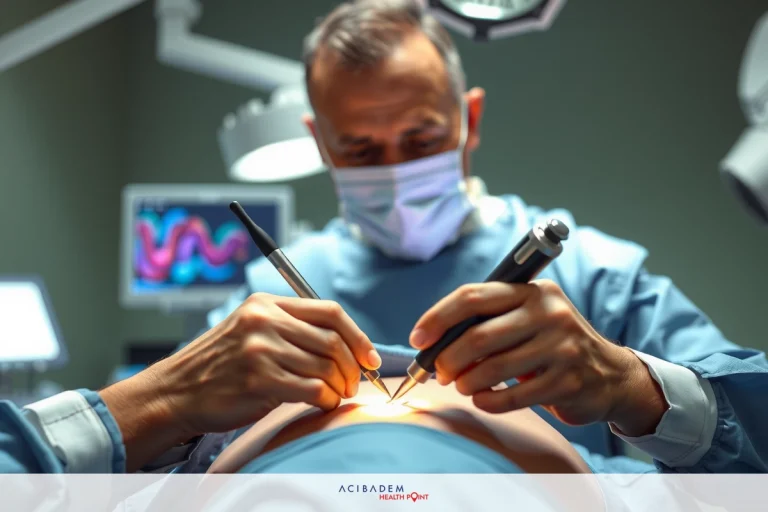
What is minimally invasive liver cancer surgery? Minimally invasive liver cancer surgery is a modern approach to removing cancer. It uses small cuts and advanced tools to help the body heal faster. Doctors use special cameras and instruments which means less pain for patients after the operation.
Patients who choose this method can often leave the hospital sooner than with traditional surgery. It’s important to talk about your options with a doctor if you’re considering it. They can tell you more about how it works and what benefits it might have for you.
Every person’s experience with liver cancer is different so treatment plans vary. Minimally invasive methods are not always right for everyone but they offer an easier recovery time when possible. Talk openly with your healthcare team to make sure you get care that fits your needs.
Benefits of Minimally Invasive Surgery
Minimally invasive surgery for liver cancer boasts several key advantages. The smaller incisions mean less trauma to the body. This can lead to a quicker recovery time and shorter hospital stays. Patients often experience reduced pain post-surgery which can lessen the need for pain medication.
This treatment also reduces the risk of complications like infections. With fewer and smaller cuts your body is not as exposed during the procedure. As a result you’re likely to have less bleeding compared to traditional surgery methods. Less scarring is another benefit due to the small size of the surgical wounds.
The precision of minimally invasive liver cancer procedures is worth noting. Surgeons use advanced technology that allows them more control during surgery. It means they can target just the tumor with greater accuracy while preserving healthy tissue around it.
There’s potential for better outcomes in terms of both survival rates and quality of life after surgery. A faster return to daily activities enhances overall well-being post-treatment. It’s clear why these benefits make minimally invasive surgery an attractive option for those facing liver cancer treatment decisions.
Procedure Overview
The procedure starts with a careful plan made by your surgeon. They look at images of your liver to decide how to best remove the cancer. Then you are given medicine so you will sleep and not feel pain during surgery. Small cuts are made near the liver area which is where tools go in.
Next the surgeon uses a camera to see inside your body on a screen. This helps them guide their instruments precisely to where they need to work. They use special tools that can cut and seal blood vessels at the same time. The tumor is then removed through one of these small openings.
During minimally invasive liver surgery doctors also make sure there’s very little bleeding. If needed they can take out parts of the liver without harming what’s left behind. The healthy part grows back over time until it’s close to its original size again.
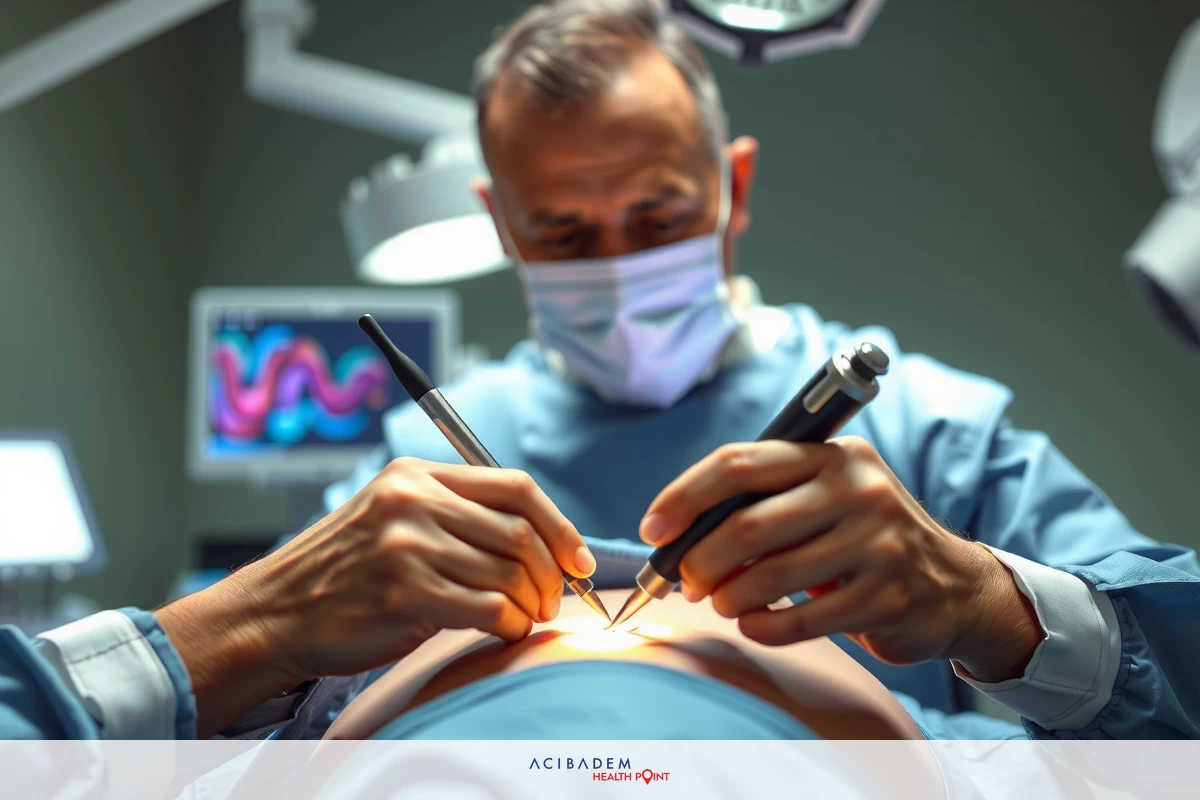
After removing the tumor all instruments are taken out carefully from each cut site. Each opening is closed using stitches or surgical glue which leaves only tiny marks after healing. Recovery begins right away as most patients wake up quickly following this type of treatment for liver cancer.
Recovery Process
After minimally invasive liver cancer surgery patients wake up in a recovery room. Nurses watch your vital signs as the anesthesia wears off. You might feel sleepy or have some discomfort but pain can be controlled with medication. Many people find they can get up and walk around soon after surgery.
Your hospital stay is often shorter than with traditional surgery. Doctors want to make sure you’re eating, drinking, and moving without too much pain before you go home. They also check that your liver is working well after the operation. You’ll receive instructions on how to care for yourself once you’re home.
At home rest is key for healing but moving around a bit helps. Follow your doctor’s advice about when to start normal activities again. It’s normal to feel tired at first; give yourself time to recover fully from this treatment procedure for liver cancer. Remember each person heals at their own pace after surgery.
Potential Risks
Like all surgeries minimally invasive procedures for liver cancer have risks. The most common ones include bleeding and infection at the cut sites. Sometimes patients may react to anesthesia or experience blood clots. It’s important to follow your surgeon’s advice closely to lower these risks.
There is also a chance of injury to nearby organs during surgery. Although rare with advanced imaging techniques it is still a possibility. Surgeons work carefully around other structures in the abdomen to prevent this issue. If you have any concerns about such risks discuss them with your doctor.
Liver-specific complications can occur as well like bile leaks or changes in liver function tests post-surgery. These are usually temporary and can be managed by medical teams if they arise. Your healthcare team will monitor you closely after the procedure to catch any early signs of trouble.
In addition some patients might not see complete removal of their cancer through this method alone. There could be unseen cells that require further treatment like chemotherapy or radiation therapy after surgery. Always talk about what additional care might be needed after minimally invasive surgery.
Cost Considerations
Minimally invasive liver cancer surgery can vary in cost. The type of technology used and the length of your hospital stay are big factors. Sometimes the surgeon’s experience and the facility’s location also affect price. It’s wise to get a detailed cost breakdown before you agree to the procedure.
Your insurance coverage plays a key role in how much you pay out of pocket. Check what treatments and services your policy includes. If minimally invasive surgery isn’t fully covered ask about payment plans or financial aid programs that may be available.
In comparing costs remember that minimally invasive methods could save money long term. Shorter hospital stays and faster returns to work help balance initial expenses with savings after surgery is done for liver cancer treatment. This should be part of your decision-making process when considering this procedure.
Lastly it’s important not just to consider cost but value too when looking at surgical options for liver cancer treatment procedures like this one. High-quality care leads to better outcomes which can be worth extra expense upfront sometimes. Speak openly with medical providers about all potential costs associated with minimally invasive surgeries so there are no surprises down the line.
Frequently Asked Questions
[sc_fs_multi_faq headline-0=”h4″ question-0=”Q: How long does minimally invasive liver cancer surgery take? ” answer-0=”A: The time varies but it can range from 2 to 5 hours depending on the case’s complexity.” image-0=”” headline-1=”h4″ question-1=”Q: Will I need further treatment after minimally invasive surgery for liver cancer?” answer-1=”A: Some patients may require additional treatments like chemotherapy. This depends on your specific condition and will be discussed with your healthcare team.” image-1=”” headline-2=”h4″ question-2=”Q: Can all liver cancer patients have minimally invasive surgery? ” answer-2=”A: Not everyone is a candidate. It depends on the tumor’s size, location, and other health factors that your surgeon will evaluate. Please note that the answers provided here are for informational purposes only and do not constitute medical advice. ” image-2=”” count=”3″ html=”true” css_class=””]

