





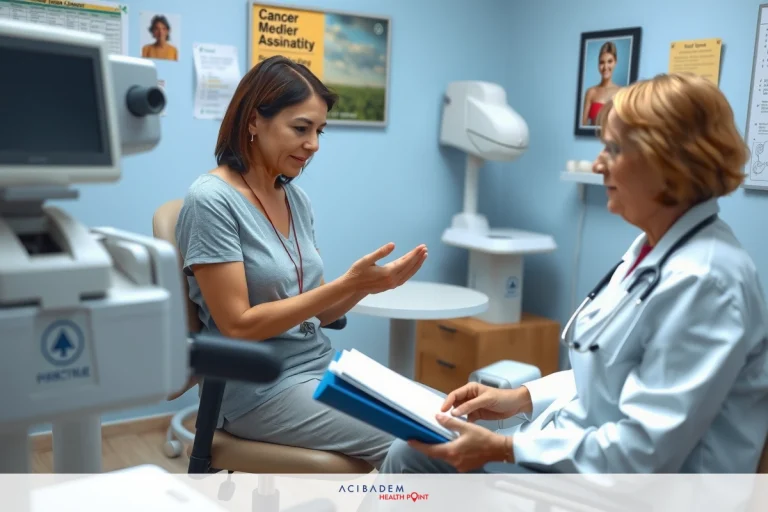
What Is Considered Early Breast Cancer
What Is Considered Early Breast Cancer Early breast cancer means the disease has not spread much. It often includes stage 1 and sometimes stage 2 cancers. Finding it early is key to getting good results from treatment. Doctors use tests like mammograms to find these cancers soon.When caught at an early stage breast cancer can often be managed well. The focus is on removing or destroying the tumor before it grows or spreads. This might mean less intense treatments are needed than for more advanced stages.
Understanding your diagnosis of early breast cancer helps you make choices about care with your doctor’s help. They will guide you through options based on your specific situation and needs. Always ask questions if something isn’t clear about your health or care plan.
Diagnosis of Early Breast Cancer
Diagnosing early breast cancer starts with checking symptoms. A lump or change in the breast may be a sign. If you notice this see your doctor right away. They will do an exam and ask about your health history.
Tests are important to confirm if it’s cancer. Mammograms are the most common first test for women. An ultrasound might also be used to look at breast tissue more closely. These tests help doctors find any unusual areas that need more attention.
Sometimes more tests are needed after mammograms and ultrasounds. A biopsy is where doctors take small pieces of tissue from the lump. The tissue is checked in a lab to see if there are cancer cells.
If the diagnosis confirms early-stage breast cancer treatment plans can start quickly. Your doctor will discuss stages and treatment paths with you clearly and carefully. Knowing what stage your cancer is helps plan for the best chance of survival.
Treatment Options for Early Breast Cancer
Treating early breast cancer often involves surgery. The goal is to remove the tumor and any nearby cancer cells. surgery types vary, from lumpectomy, which removes just the lump, to mastectomy for the whole breast.
Radiation therapy may follow surgery to kill leftover cancer cells. It targets specific areas with high energy rays. This extra step helps lower the chance that cancer will come back later on.
In some cases doctors suggest drugs after surgery too. Chemotherapy uses powerful medicines to attack cancer cells all through your body. Hormone therapy blocks hormones like estrogen that can help cancers grow.
Each person’s treatment plan is different because each case of early breast cancer is unique. Your doctor will explain options based on your health and stage of the disease. Making a choice together ensures you have a plan tailored just right for you and your recovery journey.

Stages of Early Breast Cancer
Early breast cancer stages are crucial for planning treatment. Stage 0 is non-invasive where abnormal cells have not spread. At this stage the disease is highly treatable and often curable. Understanding your stage helps you know what to expect next.
Stage 1 breast cancer means a small tumor has formed but hasn’t gone far into nearby tissues. It might also mean that tiny groups of cancer cells have been found in lymph nodes. This early discovery typically leads to successful treatments with good outcomes.
Knowing whether it’s stage 0 or 1 shapes your prognosis and care plan. With early detection the chances of beating breast cancer improve greatly. Your doctor will use this staging information to discuss survival rates and long-term health with you openly and supportively.
Survival Rates for Early Breast Cancer
Survival rates give an idea of the outcomes after a breast cancer diagnosis. For early-stage breast cancer, these rates are generally high, giving hope to many. It’s important to know that these numbers are based on past data and large groups of people. They don’t predict individual cases but offer a general outlook.
The survival rate is often given as a five-year statistic. This means the percentage of patients who live at least five years after their diagnosis. With early detection and treatment most women with early-stage breast cancer reach this milestone.
Several factors can influence survival rates beyond just the stage of cancer. These include age, overall health, and how well the tumor responds to treatment. Your doctor will consider all these things when talking about your prognosis.
Advances in medical research have improved survival rates over time. New treatments and better diagnostic tools play a big part in this progress. Many patients now have access to personalized therapies that target their specific type of breast cancer.
It’s crucial for patients to follow up with regular check-ups after initial treatment ends. Staying vigilant helps catch any changes early if they happen again later on down the line—this aids in maintaining long-term health following an early breast cancer diagnosis.
Frequently Asked Questions
[sc_fs_multi_faq headline-0=”h4″ question-0=”Q: What is considered early stage in breast cancer?” answer-0=”Early-stage breast cancer typically refers to stages 0, 1, and sometimes stage 2. These stages indicate minimal spread.” image-0=”” headline-1=”h4″ question-1=”Q: Can early breast cancer be cured completely?” answer-1=”While no cure is guaranteed early detection and treatment can lead to remission. Many people have no recurrence after being treated at an early stage.” image-1=”” headline-2=”h4″ question-2=”Q: How often should I get screened for breast cancer?” answer-2=”The frequency of screenings varies depending on age and risk factors. It’s best to consult with your doctor for a personalized screening schedule.” image-2=”” count=”3″ html=”true” css_class=””]

