





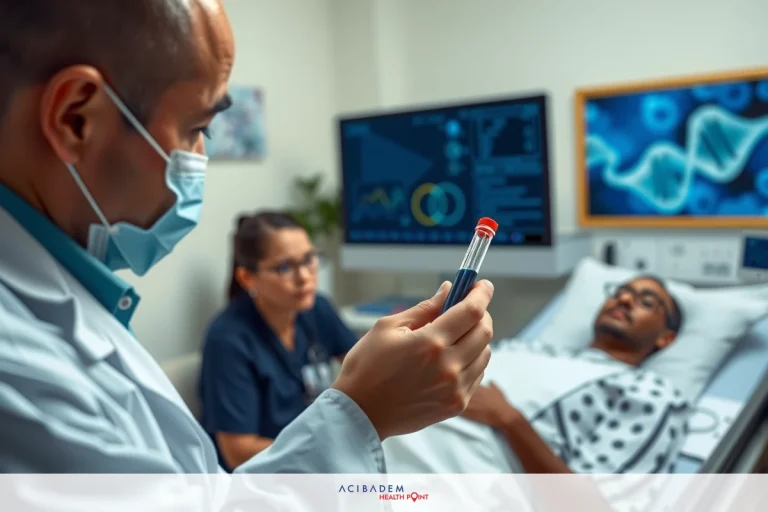
What Are Targeted Therapies For Cancer?
What Are Targeted Therapies For Cancer? Targeted therapies have become a key part of cancer care. Unlike older forms of treatment they focus on specific parts of cells. Doctors often use them with other treatments to help beat cancer. Many patients see better results and fewer side effects with these drugs.Knowing what options you have can give you hope and a way forward. Targeted therapy might seem complex but it’s all about finding the right tool for the job. Your doctors look at your cancer’s traits and pick a drug that goes after those marks.
It’s important to learn how these new drugs work in fighting cancer. They offer more ways to tackle the disease than traditional methods do. With careful testing your doctor can match you with the best therapy for your situation.
Types of Targeted Therapies
Targeted therapies are a form of precision medicine. They’re designed to fight cancer by honing in on specific genes and proteins that help tumors grow and spread. This approach allows for more personalized cancer treatment aiming at the unique aspects of your cancer cells.
There are several types of targeted therapies used today. Monoclonal antibodies, for instance, attach to specific targets on cancer cells. Small molecule drugs can block the process that helps cancer cells multiply and survive. Both types work differently but have the same goal: stopping cancer’s growth.
Another kind is gene therapy which corrects genetic problems inside cells. It may not be as common right now, but research is ongoing, making it a promising part of future treatments. These therapies represent hope for many who face this tough battle against their illness.
When considering targeted therapies doctors assess if these treatments suit you based on your tumor’s profile. Not all cancers respond to these methods yet. However developments in precision medicine continue to broaden the range where they can be effective. Your healthcare team will guide you through options available for your condition.
Advantages of Targeted Therapies
The precision of targeted therapies marks a significant shift in cancer treatment. By focusing on specific molecules and cell mechanisms these treatments can attack the cancer directly. This means they may do less harm to normal healthy cells. The result is often fewer side effects compared to traditional chemotherapy.
Targeted therapies are personalized to each patient’s unique form of cancer. This individualized approach aims to improve outcomes by tailoring treatment plans that fit one’s genetic makeup. It’s about picking the right tool for the job.
These treatments might also reduce the likelihood of resistance developing within cancer cells. Because targeted therapies strike directly at mutations that make tumors grow there may be fewer chances for cancer to adapt and survive. Consequently this could lead to longer-lasting remissions for patients.
Moreover precision medicine allows doctors to monitor how well treatments are working more closely. With regular testing adjustments can be made as needed based on real-time feedback from your body’s response. Such dynamic management helps maximize benefits while minimizing risks during therapy sessions.
Patient Eligibility
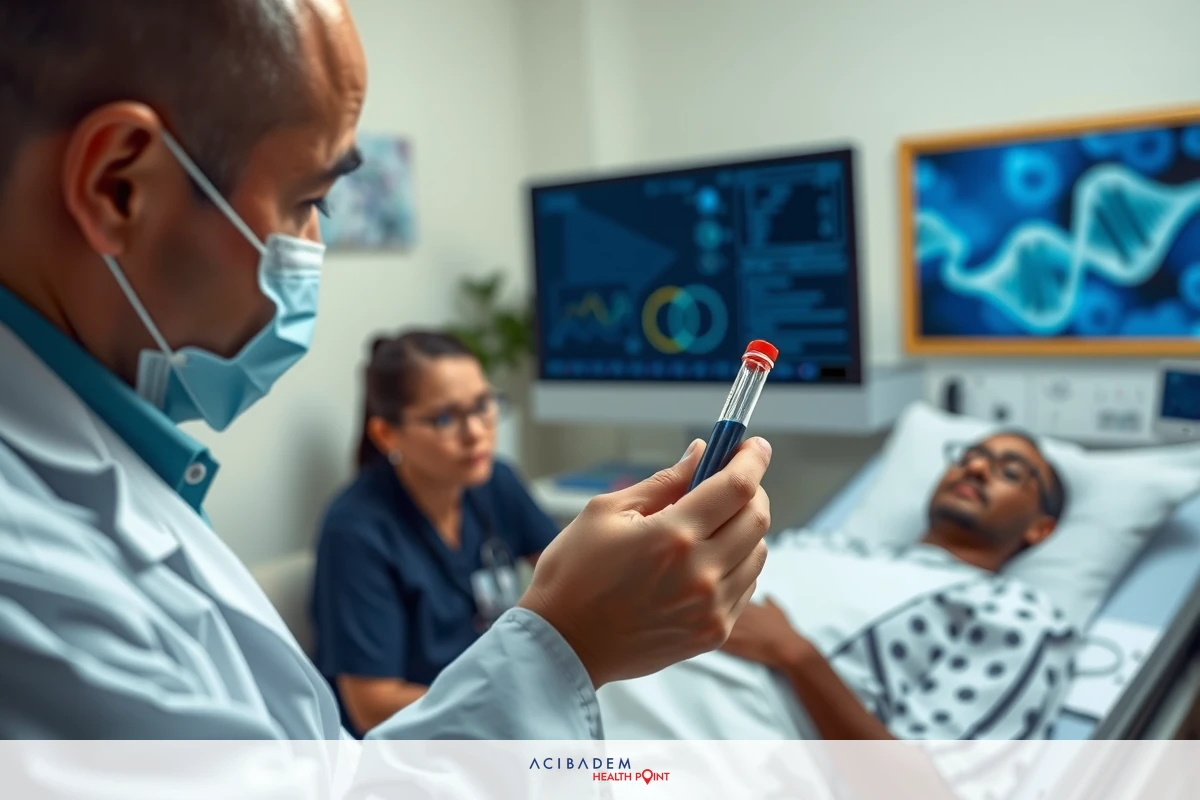
Determining if a patient is eligible for targeted therapies starts with genetic testing. This testing checks the cancer cells for specific markers that these drugs can identify and attack. If your cells have these markers you might be a good candidate for targeted treatment.
Tumor markers are like red flags that show what’s driving the growth of cancer. Doctors use this information to match patients with the most effective therapy available. It’s not just about treating cancer; it’s about finding the right approach for each person.
It is crucial to consult your healthcare provider to understand your options. They will explain how genetic profiling works and discuss whether it could benefit you. Remember, every person’s situation is unique, so personal consultation ensures tailored advice for your needs.
Managing Side Effects
Side effect management is an essential component of cancer treatment with targeted therapies. These drugs are designed to target cancer cells specifically but they can still have side effects. It’s important for patients and doctors to work together on managing any adverse symptoms that arise.
Developing a plan for supportive care can help alleviate some of these side effects. This might include medication to counteract nausea or strategies to manage fatigue. Supportive care aims at maintaining the best quality of life while undergoing treatment.
Having open communication with your healthcare team is key in managing side effects effectively. Patients should feel comfortable discussing any changes in how they feel during therapy. Prompt reporting allows for quick action which can significantly improve comfort levels.
Some common side effects from targeted therapies include skin problems, high blood pressure, and mild flu- like symptoms. Each patient experiences these differently so treatments are personalized based on their specific needs and reactions to the therapy.
By understanding what potential side effects could occur patients can be better prepared if they do happen. Healthcare providers will monitor patients closely and adjust treatment plans as needed to minimize discomforts associated with therapy.
Cost Considerations
The financial impact of targeted therapies is an important consideration for patients. These treatments can be costly due to the precision and technology involved in their development. It’s vital to review all expenses to plan your cancer care budget accordingly.
Insurance coverage plays a significant role in managing the costs associated with targeted therapies. Different plans have varying levels of coverage for these treatments so it’s essential to understand your policy details. Contacting your insurance company directly will provide you with clear information on what is covered.
Affordability options such as patient assistance programs may also be available. Many drug manufacturers offer support to help reduce out-of-pocket expenses for eligible patients. Exploring these programs could alleviate some financial stress related to treatment costs.
Additional resources include nonprofit organizations that focus on cancer care assistance. They often provide grants or aid designed specifically for those undergoing expensive treatments like targeted therapy. Researching local and national support entities can uncover further opportunities for financial help.
Discussing cost concerns with your healthcare provider can lead to discovering alternative treatment paths if needed. Healthcare teams are aware of the economic burden that comes with advanced treatments and might suggest effective yet more affordable strategies tailored to individual circumstances.
Frequently Asked Questions
Q: What are targeted therapies?
A: Targeted therapies are cancer treatments that target specific genes or proteins in cancer cells which drive the growth and spread of the tumor.
Q: How do I know if I am eligible for targeted therapy?
A: Eligibility is typically determined through genetic testing and consultation with your healthcare provider to identify relevant tumor markers.
Q: Are there fewer side effects with targeted therapy compared to traditional chemotherapy?
A: Yes targeted therapies often have fewer side effects because they specifically target cancer cells and not healthy ones.

