





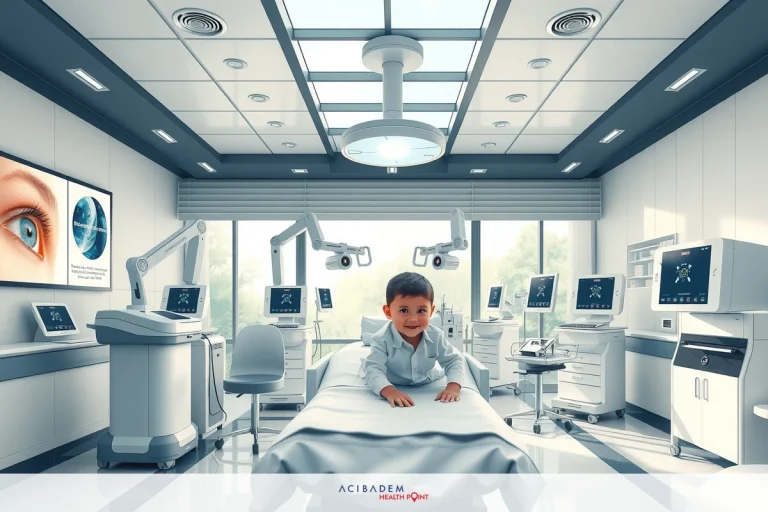
What Advancements Have Been Made In Retinoblastoma Surgery?
What Advancements Have Been Made In Retinoblastoma Surgery? Retinoblastoma is a type of eye cancer that can affect young children. Recent years have seen improvements in how we treat it. Doctors now use advanced technology to help patients better. With these tools they aim for more success and less harm to the body.Medical teams work hard to make sure kids are safe during treatment. They look for ways to get rid of the cancer while keeping vision intact. New methods mean doctors can target tumors with great care. Each step forward means hope grows for families dealing with this illness.
Research plays a big role in finding better treatment options. Scientists study what works best and share their findings with others around the world. It’s all about making sure that those who need help get the best care possible.
Robotic Surgery
Robotic surgery marks a big leap in treating retinoblastoma. This method lets surgeons be very precise which is vital for children’s small eyes. Robots help by making tiny cuts that doctors control from a computer. This leads to less damage and quicker healing after surgery.
The use of robots means doctors can see things more clearly. Cameras give them high-definition views inside the eye. With better sight they can spot and treat tumors with great care. This kind of tech is one of the latest innovations in medicine.
One major benefit of robotic surgery is safety for young patients. Small tools move gently to avoid harming healthy parts around tumors. Kids are left with smaller scars and this often means they feel better faster too.
Training for robotic surgery keeps getting better as well. Surgeons learn to handle complex equipment through simulations before actual operations. As they practice their skills improve which makes real surgeries go smoother for everyone involved.
Laser Therapy
Laser therapy is reshaping how we treat retinoblastoma. This approach uses light to target cancer cells with extreme accuracy. It’s less invasive which means fewer side effects for patients. The precision reduces harm to surrounding eye tissue and can preserve vision.
This treatment heats up and destroys the tumor without needing cuts. Patients experience little discomfort and recovery times are short. Doctors use lasers in many sessions aiming to keep the cancer from coming back. Each session is quick often completed in a matter of minutes.
Advancements in laser technology have made it very reliable for eye surgery. Newer machines offer more control over the intensity and shape of the laser beam. Surgeons tailor each procedure to fit every child’s unique needs.
Innovations continue as researchers study better ways to combine laser therapy with other treatments. Sometimes they pair lasers with medicines that make cancer cells weak against light. Together these methods work better than either one alone at fighting this disease.
Gene Therapy
Gene therapy is a new path in the fight against retinoblastoma. This treatment changes genes to help fix problems that can cause cancer. By targeting the disease at its source gene therapy aims for long-term success. It’s a form of care that reaches beyond just treating symptoms.
With gene therapy doctors introduce good genes into the body. These genes may replace or repair the faulty ones leading to tumor growth. The process is complex but shows promise in early tests on patients. Many believe it could change how we handle this type of eye cancer.

This approach still has much research ahead before it becomes common practice. Yet each study brings us closer to understanding how best to use gene therapy for retinoblastoma. As scientists learn more they share their knowledge which helps improve surgery and other treatments too.
Immunotherapy
Immunotherapy is a treatment that helps the immune system fight retinoblastoma. Unlike traditional methods it works with the body’s natural defenses to target cancer. This type of therapy introduces substances that boost or mimic immune responses. The goal is to help the body recognize and destroy cancer cells more effectively.
This innovative approach has seen advancements in recent years. Scientists are focusing on creating treatments specific to each patient’s cancer profile. By personalizing medicine they aim for better outcomes with fewer side effects than chemotherapy or radiation.
Clinical trials are essential in advancing immunotherapy for retinoblastoma patients. These studies test new drugs and combinations to find what is most effective. Every successful trial moves this method one step closer to becoming a standard care option.
The science behind immunotherapy is complex but holds great promise for future care strategies. It involves understanding how tumors hide from the immune system and finding ways around this problem. Researchers work tirelessly knowing their discoveries have the potential to save young lives.
Ongoing research into immunotherapy brings hope for less invasive treatments soon. As we learn more about how it can help children with retinoblastoma optimism grows among doctors and families alike. With continued support this field of medicine may transform our approach to treating eye cancer in kids.
Recovery and Follow-Up
Recovery after retinoblastoma surgery is a time of healing and close monitoring. Patients often stay in touch with their care team to track progress. Regular check-ups let doctors catch any changes early on. This means they can act fast if treatment needs adjusting or restarting.
Follow-up appointments are not just about checking for cancer’s return. They also help manage side effects from surgery or other treatments like chemotherapy. Eye specialists, oncologists, and nurses work together to support the patient’s well-being during this period.
Advances in post-operative care have improved recovery experiences significantly. Less invasive surgeries lead to quicker healing times and fewer complications afterward. Children can often get back to their usual activities sooner than before these improvements.
Insurance coverage for follow-up care is important to understand as it varies widely between policies. Families should discuss with their insurance company what services are included after surgery ends. Knowing your coverage helps plan out-of-pocket expenses and avoid unexpected costs.
The journey doesn’t stop at the hospital doors; ongoing support plays a crucial role in recovery success. Support groups, both online and in-person, offer families a place to share experiences and find comfort during tough times ahead of them.
Frequently Asked Questions
Q: What age group is most affected by retinoblastoma?
A: Retinoblastoma primarily affects young children often before the age of five.
Q: How effective is surgery in treating retinoblastoma?
A: Surgery can be very effective especially when the cancer is detected early and has not spread.
Q: Are there any new treatments for retinoblastoma on the horizon?
A: Yes researchers are constantly working on new treatments including gene therapy and immunotherapy.

