





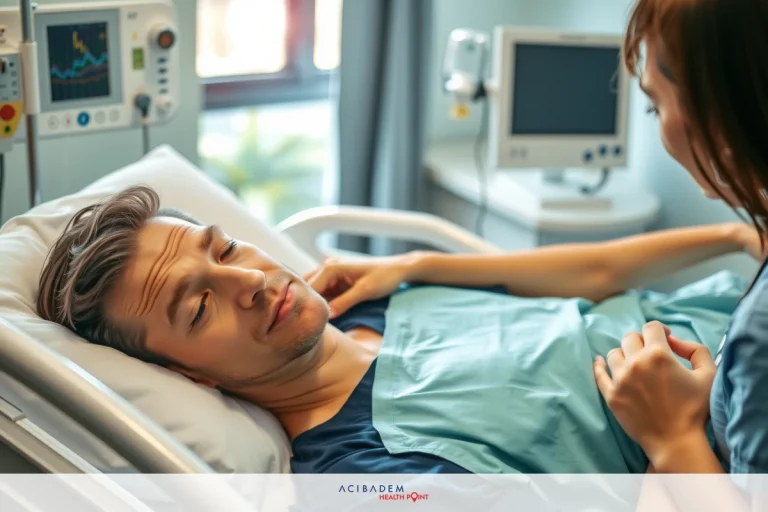
Using Compression Bandages for Lymphedema Comprelex Management
Using Compression Bandages for Lymphedema Comprelex Management Lymphedema is a chronic condition that requires specialized care to manage its symptoms effectively. This condition occurs when the lymphatic system is unable to drain fluid properly, leading to swelling and discomfort. Proper management is essential to improve quality of life and prevent complications.
Using Compression Bandages for Lymphedema Comprelex Management One of the cornerstone approaches in managing this condition is compression therapy. This method involves using specialized products to apply pressure, which helps reduce fluid buildup and supports the lymphatic system. When applied correctly, these techniques can significantly improve outcomes.
Medical professionals often receive training from certified institutions, such as the Academy of Lymphatic Studies, to ensure they provide the best care. Proper application of these methods complements other treatment approaches, making it a vital part of the overall management system.
Understanding Lymphedema and the Role of Compression Bandages
The lymphatic system plays a critical role in maintaining fluid balance in the body. When this system is compromised, it can lead to chronic swelling, often in the legs or arms. This condition, known as lymphedema, requires careful management to reduce discomfort and improve mobility.
What is Lymphedema?
Lymphedema occurs when the lymphatic system cannot drain fluid properly. This dysfunction can result from surgery, infection, or genetic factors. Symptoms include persistent swelling, heaviness, and tightness in the affected areas, such as the leg or arm.
Chronic swelling can lead to skin changes and increased risk of infections. Early intervention is crucial to prevent complications and maintain quality of life.
How Compression Bandages Help Manage Lymphedema
Specialized materials are used to create gradient pressure, which supports the lymphatic system. This pressure is typically stronger at the calf and gradually decreases toward the thigh. This design helps improve fluid flow and reduce swelling.
Adjustable features ensure a customized fit, conforming to the body’s shape. Moisture-wicking properties protect the skin, keeping it dry and healthy. Short-stretch and elastic materials offer different benefits, depending on the patient’s needs.
Proper application techniques are essential for effectiveness. For example, wrapping should start at the toes and move upward for the leg. This ensures even pressure and optimal results.
Benefits of Using Compression Bandages for Lymphedema
Specialized garments play a key role in improving daily life for those with fluid retention issues. These products are designed to enhance circulation, reduce swelling, and support mobility. By addressing these areas, individuals can experience significant improvements in their quality of life.
Improved Circulation and Reduced Swelling
These garments apply controlled pressure, which helps improve blood flow and reduce fluid buildup. Studies show that pressure measurements between 20-30 mmHg are most effective for therapeutic benefits. This targeted approach ensures edema reduction while maintaining skin health.
Materials with stretch adapt to body contours, providing consistent support. Roll bandages are versatile and adjustable, while pre-shaped pads offer targeted pressure. Both options are effective, depending on the patient’s needs.
Enhanced Comfort and Mobility
Breathable fabrics regulate temperature, keeping the skin dry and comfortable. This is especially important for prolonged wear during daily activities. Specialized socks enhance circulation, while knee joints benefit from improved mobility. Using Compression Bandages for Lymphedema Comprelex Management
Using Compression Bandages for Lymphedema Comprelex Management Daytime wear is recommended for activity, as it supports movement and reduces fatigue. Ni
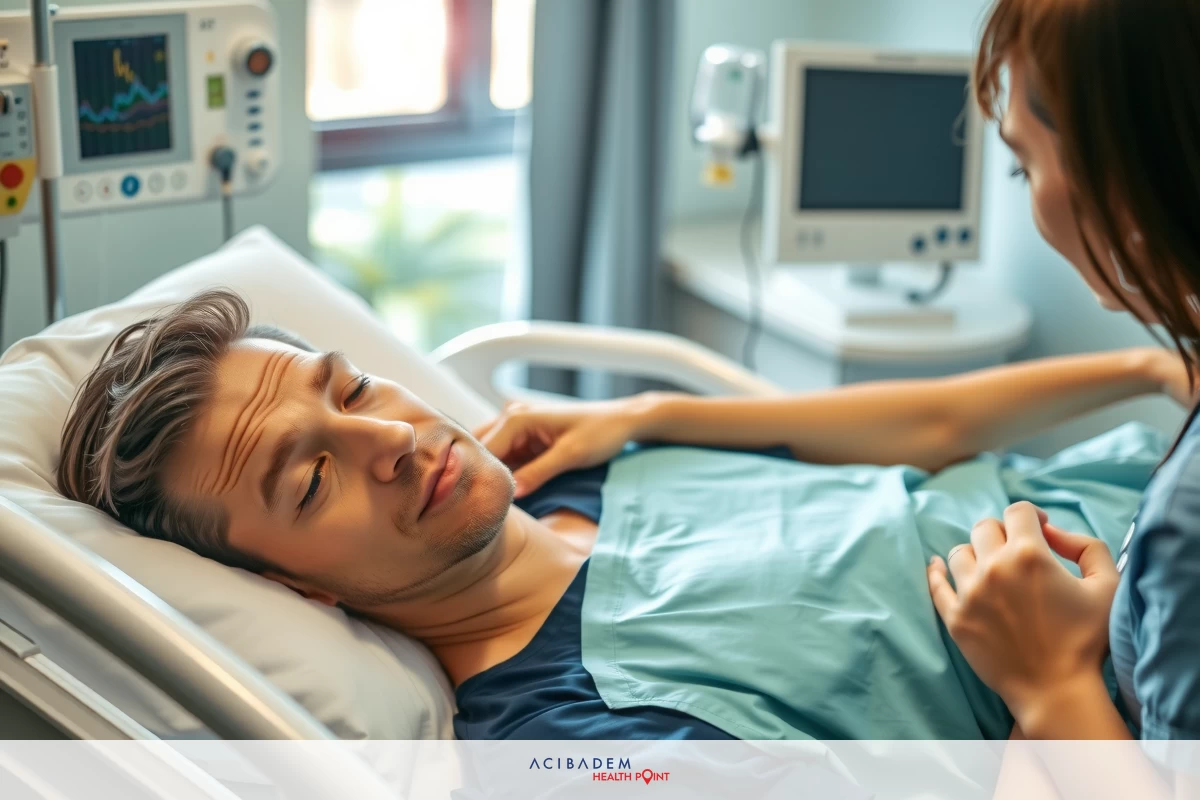
ghttime wear focuses on maintaining pressure without restricting sleep. This balance ensures continuous care and optimal results.
| Feature | Daytime Wear | Nighttime Wear |
|---|---|---|
| Pressure Level | Higher (20-30 mmHg) | Lower (15-20 mmHg) |
| Material | Breathable, stretchable | Soft, non-restrictive |
| Purpose | Support activity | Maintain pressure |
These benefits make specialized garments a vital part of managing chronic swelling. By choosing the right products and wearing them as recommended, individuals can achieve better outcomes and enjoy improved daily function.
How to Choose the Right Compression Bandages for Lymphedema
Selecting the right products for managing swelling requires careful consideration of several factors. The right fit, materials, and design can significantly impact comfort and effectiveness. Understanding the key features and options available helps ensure the best choice for individual needs.
Factors to Consider When Selecting Compression Bandages
When choosing these products, start by evaluating the pressure class ratings. Options like 20-30 mmHg are ideal for mild to moderate swelling, while 30-40 mmHg suits more severe cases. Always consult a healthcare professional to determine the appropriate level.
Limb circumference measurements are also crucial. Proper sizing ensures the fit is snug but not restrictive. Sizing charts can help identify the right dimensions for the calf or thigh areas.
Price is another important factor. While higher-end options may offer advanced features, budget-friendly choices can still provide effective support. Compare different categories to find the best value. Using Compression Bandages for Lymphedema Comprelex Management
Understanding Different Types of Compression Bandages
There are several types to consider, each with unique benefits. Multi-layer systems offer adjustable pressure, while single-layer options are simpler to use. Lightweight or lite versions are ideal for sensitive skin, providing comfort without compromising effectiveness.
Closure systems vary as well. Velcro straps are easy to adjust, while lace closures offer a more secure fit. Combining tape with padding layers can enhance support and comfort. Using Compression Bandages for Lymphedema Comprelex Management
Coverage options include thigh high and knee-high designs. Thigh high styles provide extended support, while knee-high options are more convenient for daily wear. Fingerless gloves are also available for hand swelling, offering moisture control and flexibility.
- Pressure class ratings: 20-30 mmHg vs. 30-40 mmHg
- Limb circumference measurements for calf and thigh
- Cost comparison across different categories
- Lace vs. Velcro closure systems
- Combining tape with padding layers
- Lightweight (lite) options for sensitive skin
- Moisture control in fingerless gloves
- Thigh high vs. knee-high coverage
- Multi-layer vs. single-layer systems
Taking the Next Step in Lymphedema Management
Managing chronic swelling effectively requires a proactive approach. Start by consulting a certified therapist to create a personalized plan. They can guide you on the best techniques and products tailored to your needs.
Consider the price and benefits of different types of materials. Roll-based systems are cost-effective and versatile, while lite options offer comfort for sensitive skin. Regular maintenance ensures their longevity and effectiveness.
Protecting the knee joint during daily activities is crucial. Transitioning between thigh and leg support can enhance mobility and reduce discomfort. Complementary therapies, like manual drainage, can further improve results.
Finally, establish a daily management routine. Regular limb measurements and replacement schedules ensure consistent care. Insurance coverage may also help offset costs, making long-term management more accessible.


