





Understanding the Meaning of Lymphedema
Understanding the Meaning of Lymphedema Lymphedema is a chronic condition that results from issues within the lymphatic system. This system, responsible for fluid balance and immune function, can fail to drain lymph fluid properly. When this happens, fluid builds up in soft tissues, causing noticeable swelling.
While lymphedema often affects the arms or legs, it can also occur in other areas of the body, such as the chest, face, or genitals. It’s not a form of cancer, but it can increase the risk of infections and significantly impact daily life.
In the United States, about 1 in 100,000 people have primary lymphedema, which is linked to genetic factors. Secondary lymphedema, on the other hand, is more common and often stems from cancer treatments like surgery or radiation. Recognizing the signs early can help manage this condition effectively.
What is Lymphedema?
Lymphedema occurs when the lymphatic system fails to function properly. This system, part of the immune system, helps drain lymph fluid from tissues. When it malfunctions, fluid builds up, causing swelling in areas like the arms or legs.
This condition involves abnormal retention of protein-rich fluid in tissues. It can be classified into two types: primary and secondary. Primary lymphedema is genetic and includes conditions like Milroy’s disease, which appears in infancy, and Meige disease, often seen during puberty or pregnancy.
Secondary lymphedema is more common and usually acquired. It often follows treatments for cancer, such as surgery or radiation. For example, 1 in 5 breast cancer survivors may develop this condition after treatment. Other causes include infections, trauma, and obesity.
Swelling may not appear immediately. It can develop years after the initial damage to the lymphatic system. Early recognition and management are crucial to reduce complications.
| Type | Cause | Examples |
|---|---|---|
| Primary Lymphedema | Genetic | Milroy’s disease, Meige disease |
| Secondary Lymphedema | Acquired | Post-cancer treatment, infections, trauma |
How Does the Lymphatic System Work?
Unlike the cardiovascular system, the lymphatic system lacks a central pump. Instead, it relies on muscle movement to transport fluid throughout the body. This network includes vessels, nodes, and a clear fluid called lymph, which contains white blood cells.
The lymph vessels use one-way valves and muscle contractions to move fluid. These vessels collect excess fluid from tissues and return it to the bloodstream. Along the way, lymph nodes act as filters, trapping pathogens and waste to protect the immune system.
When lymph nodes are removed or damaged, such as during breast cancer surgery, blockages can occur. This disrupts fluid flow and increases the risk of swelling. Areas with poor drainage, like inactive limbs, are especially vulnerable.
Keeping the lymphatic system healthy is essential. Regular movement and exercise help maintain fluid balance and reduce the risk of complications. Understanding its role can empower individuals to take proactive steps for their health.
What Causes Lymphedema?
The root causes of lymphedema vary widely, from genetic factors to external triggers. This condition arises when the lymphatic system fails to function properly, leading to fluid buildup. Understanding these causes can help in early detection and effective management.
Primary Lymphedema
Primary lymphedema is linked to inherited genetic mutations. These mutations disrupt the development of the lymphatic system, causing fluid drainage issues. Conditions like Milroy’s disease appear in infancy, while Meige disease often develops during puberty or pregnancy. Another form, lymphedema tarda, typically emerges after age 35.
Mutations in genes like FOXC2 are common culprits. These genetic conditions affect the structure and function of lymph vessels, leading to chronic swelling. While rare, primary lymphedema requires lifelong management to prevent complications.
Secondary Lymphedema
Secondary lymphedema is more common and often results from external factors. Cancer treatments, such as surgery or radiation, are leading causes. For example, removing 5-30 lymph nodes during axillary dissection increases the risk significantly. Radiation therapy can scar lymph vessels, further disrupting fluid flow.
Non-cancer triggers include trauma, infections like filariasis, and chronic conditions such as heart disease. Melanoma and pelvic cancers also heighten the risk. Early intervention is crucial to minimize swelling and improve quality of life.
| Type | Cause | Examples |
|---|---|---|
| Primary Lymphedema | Genetic Mutations | Milroy’s disease, Meige disease, lymphedema tarda |
| Secondary Lymphedema | External Factors | Cancer treatment, trauma, infections, heart disease |
What Are the Symptoms of Lymphedema?
Recognizing the signs of lymphedema early can make a significant difference in managing the condition. Symptoms often develop gradually, starting with subtle changes like tightness in clothing or jewelry. Some people also experience a tingling sensation or a feeling of heaviness in the affected area.
As the condition progresses, swelling becomes more noticeable. Pitting edema, where the skin indents when pressed, is a common sign. Other progressive symptoms include fibrosis, which causes tissue hardening, and recurrent cellulitis, a skin infection. These changes can lead to discomfort and pain.
In late stages, skin changes become severe. The skin may thicken, leak fluid, or develop sores. Mobility can be significantly limited, and in rare cases, lymphangiosarcoma, a type of cancer, may develop. Severe limb asymmetry is another risk, making early diagnosis critical to prevent irreversible damage.
Factors like heat, inactivity, or overuse can worsen symptoms. Staying vigilant and seeking medical advice at the first sign of trouble can help manage the condition effectively.
How is Lymphedema Diagnosed?
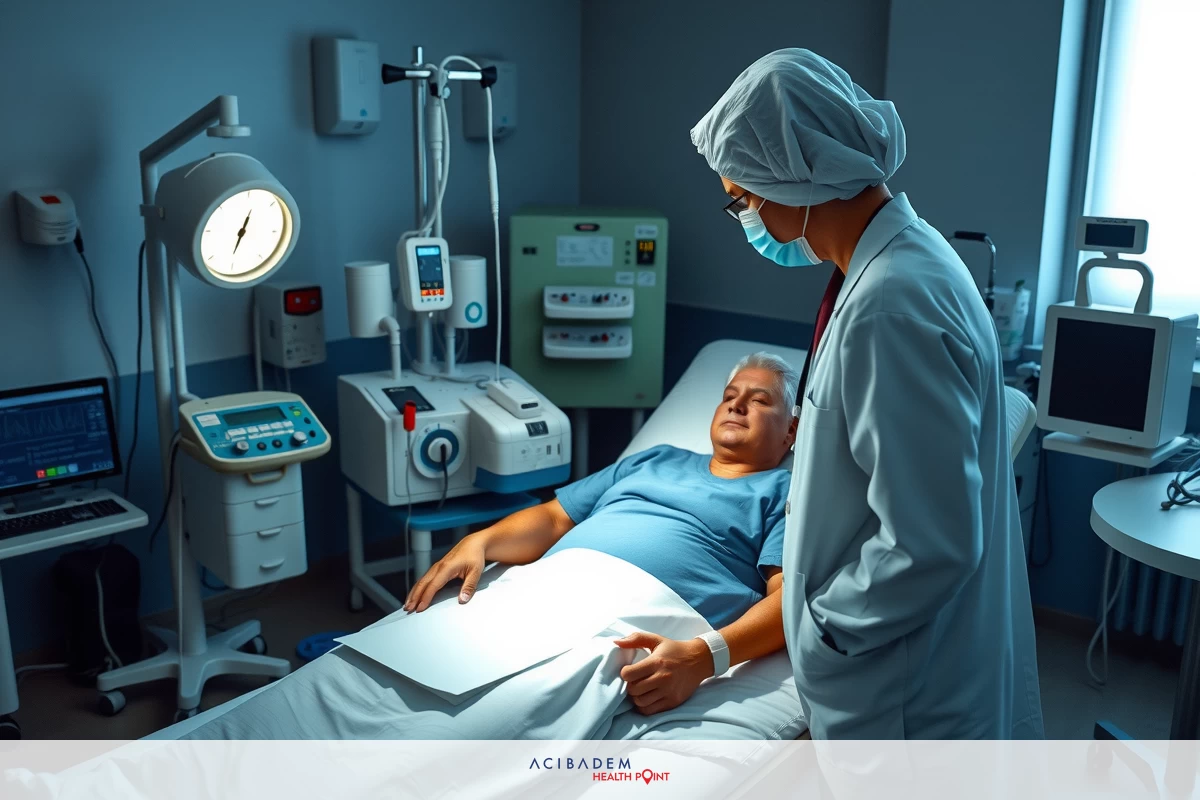
Healthcare providers use advanced tools to identify lymphedema accurately. A physical exam is often the first step. This involves measuring limb circumference and checking for pitting edema, where the skin indents when pressed.
Imaging techniques play a crucial role in diagnosis. Lymphoscintigraphy tracks fluid flow, while MRI helps rule out tumors or other underlying issues. Bioimpedance spectroscopy is another tool that measures fluid retention in tissues. Understanding the Meaning of Lymphedema
The condition is classified into stages based on severity. Stage 0 is subclinical, with symptoms like heaviness but no visible swelling. Stage 3, the most severe, involves significant swelling, hyperkeratosis, and recurrent infections.
Collaboration between oncologists and lymphology specialists ensures a comprehensive approach. Early detection and accurate diagnosis are essential for effective management.
| Stage | Description |
|---|---|
| Stage 0 | Subclinical; no visible swelling, but subjective heaviness. |
| Stage 1 | Mild swelling that improves with elevation. |
| Stage 2 | Moderate swelling; tissue hardening begins. |
| Stage 3 | Severe swelling with hyperkeratosis and recurrent infections. |
What Are the Types of Lymphedema?
Understanding the different types of this condition is key to effective management. It is broadly categorized into two main forms: primary and secondary. Each type has distinct causes and characteristics, which influence treatment approaches.
Primary Lymphedema
Primary lymphedema is a genetic condition, often present from birth or developing later in life. It affects about 1 in 100,000 people and is typically bilateral, meaning it occurs on both sides of the body. Conditions like Turner syndrome and Noonan syndrome are often linked to this type.
This form can appear at different life stages. Milroy’s disease, for example, is noticeable in infancy, while Meige disease often emerges during puberty or pregnancy. Rarely, lymphedema tarda develops after age 35.
Secondary Lymphedema
Secondary lymphedema accounts for 90% of cases and is usually acquired later in life. It is often triggered by external factors like cancer surgery, radiation, or trauma. For instance, mastectomy patients may develop swelling in the arm due to lymph node removal.
Understanding the Meaning of Lymphedema Infections, such as filariasis, and chronic conditions like heart disease can also lead to this type. Unlike primary lymphedema, it is typically unilateral, affecting one side of the body.
Rarely, mixed-type cases occur, combining both genetic and acquired factors. Recognizing the specific type helps healthcare providers create tailored management plans for better outcomes.
How is Lymphedema Treated?
Effective management of swelling involves a combination of therapies tailored to individual needs. Treatment focuses on reducing discomfort, improving mobility, and preventing complications. A multi-faceted approach often yields the best results. Understanding the Meaning of Lymphedema
Manual Lymphatic Drainage
Manual lymphatic drainage (MLD) is a gentle massage technique that directs fluid toward functional lymph nodes. Sessions typically last 30-60 minutes and are performed by trained therapists. This method helps reduce swelling and improve fluid flow.
MLD is often combined with other therapies like compression therapy and exercises for optimal results. It’s particularly effective in early stages of the condition.
Compression Therapy
Compression therapy uses gradient garments to apply pressure and encourage fluid drainage. Mild cases may require garments with 20-30 mmHg pressure. However, this method is contraindicated in patients with arterial disease.
Ill-fitting compression wear can worsen symptoms, so proper sizing is crucial. Intermittent pneumatic compression (IPC) pumps are another option for advanced stages.
Surgical Options
For severe cases, surgical options like vascularized lymph node transfer (VLNT) or lymphovenous bypass may be considered. VLNT has a success rate of approximately 65%. Liposuction can also remove fatty deposits in affected areas.
Surgery is typically reserved for patients who don’t respond to conservative treatments. A thorough evaluation by a specialist is essential before proceeding.
- Stage-based care: Elevation and exercise for Stage 1; IPC pumps for Stage 3.
- MLD: Gentle massage directing fluid to functional nodes; 30-60 min sessions.
- Compression: Gradient garments (20-30 mmHg for mild cases); contraindicated in arterial disease.
- Surgery: VLNT success rate ~65%; liposuction for fatty deposits.
Can Lymphedema Be Prevented?
Taking proactive steps can help reduce the risk of developing this condition. While not all cases are avoidable, certain strategies can minimize the chances of fluid buildup and complications.
For those recovering from cancer surgery, specific protocols are essential. Avoid blood draws or injections in at-risk limbs. Keep the skin moisturized to maintain its barrier function. Regularly monitor for signs of cellulitis, a common infection that can worsen symptoms.
Exercise plays a vital role in prevention. Progressive resistance training has been shown to reduce breast cancer-related swelling by 50%. Gentle activities like walking or yoga also promote lymphatic flow.
Proper skin care is another key factor. Use pH-neutral soap to avoid irritation. Apply insect repellent to prevent bites and use sun protection to shield the skin. These steps reduce the risk of infections that can trigger fluid retention.
Wearing compression garments can also help. Avoid tight bras or jewelry that constrict blood flow. Opt for loose, comfortable clothing to support circulation. Understanding the Meaning of Lymphedema
Maintaining a healthy weight is crucial. Obesity increases the risk of developing this condition threefold. Aim for a BMI below 30 through balanced nutrition and regular physical activity.
Early intervention is critical. Report any swelling within 72 hours for the best outcomes. By combining these strategies, individuals can take control of their health and reduce the likelihood of complications.
- Post-surgery protocols: Avoid blood draws in at-risk limbs; moisturize skin; monitor for cellulitis.
- Exercise: Progressive resistance training reduces risk by 50%.
- Skin hygiene: Use pH-neutral soap, insect repellent, and sun protection.
- Avoid constriction: Wear loose clothing; skip tight bras or jewelry.
- Weight management: Maintain a BMI below 30 to lower risk.
- Early intervention: Report swelling promptly for effective management.
Living with Lymphedema: Tips for Daily Management
Managing this condition effectively requires practical strategies for daily life. Small adjustments can significantly improve comfort and mobility. Here are some actionable tips to help you stay on track.
Hydration plays a key role. Drinking enough water aids 33% of patients in reducing fluid retention. Limiting alcohol intake can also help, as it benefits 25% of individuals by minimizing swelling.
Learn self-MLD techniques. Use circular hand motions to gently massage fluid toward the trunk. This simple method can improve lymphatic flow and reduce discomfort.
Modify your daily activities. Avoid heavy lifting and use adaptive tools for chores. These changes can prevent strain and reduce the risk of worsening symptoms.
Seek emotional support. Joining groups like the Lymphatic Education & Research Network provides a sense of community and valuable resources.
When traveling, wear compression garments during flights. Move your limbs hourly to promote circulation and prevent fluid buildup.
Understanding the Meaning of Lymphedema Track your progress with monitoring tools. Keep a photo journal and take monthly measurements to observe changes and adjust your routine as needed.
- Hydration: Drink water to reduce fluid retention; limit alcohol.
- Self-MLD: Use circular motions to massage fluid toward the trunk.
- Activity modification: Avoid heavy lifting; use adaptive tools.
- Emotional support: Join groups for community and resources.
- Travel tips: Wear compression garments; move limbs hourly.
- Monitoring: Track progress with photo journals and measurements.
Key Takeaways on Lymphedema
Proactive care is essential for managing this chronic condition. While it cannot be cured, timely early treatment can prevent progression to severe stages. Early diagnosis is critical to avoid complications like infections and mobility issues.
Effective management strategies often involve a healthcare team of therapists, surgeons, and nutritionists. This multidisciplinary approach ensures comprehensive care tailored to individual needs. Patient education also plays a vital role in reducing risks and improving quality of life.
Ongoing research continues to explore advanced options like gene therapy and surgical innovations. Staying informed and working closely with your healthcare provider can make a significant difference in managing this condition effectively.


