





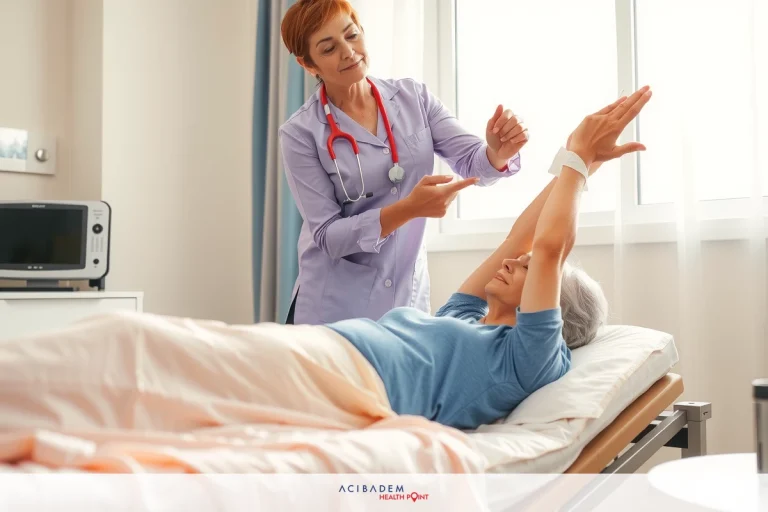
Understanding the Doctor Who Treats Lymphedema
Understanding the Doctor Who Treats Lymphedema Lymphedema is a chronic condition where fluid builds up, causing swelling in parts of the body. This can lead to mobility challenges and increase the risk of infections. Early intervention is crucial to prevent irreversible tissue damage and improve quality of life.
Specialized professionals play a key role in managing this condition. They create personalized treatment plans that often include non-surgical approaches like exercise, compression therapy, and dietary changes. These methods help reduce swelling and improve daily function.
Understanding the Doctor Who Treats Lymphedema In advanced cases, surgical options may be necessary to restore limb function. Certified therapists often work alongside these professionals to provide comprehensive care. Together, they focus on improving both physical health and overall well-being.
The lymphatic system, which helps maintain fluid balance and supports immune health, is central to this condition. Understanding its role can help in managing symptoms effectively. Early diagnosis and proper treatment are essential for a better quality of life.
What Is Lymphedema and How Is It Treated?
Lymphedema occurs when the lymphatic system fails to drain fluid properly, leading to swelling. This condition often develops after surgery, radiation, or due to genetic factors. Common symptoms include persistent swelling, skin thickening, and a feeling of heaviness in the affected limbs.
Overview of Lymphedema
The lymphatic system plays a vital role in maintaining fluid balance and supporting immune health. When it’s disrupted, fluid builds up, causing swelling. Early diagnosis is crucial to prevent complications like infections and mobility issues.
Common Treatment Approaches
Non-surgical treatments are often the first line of defense. These include:
- Manual lymphatic drainage: A specialized massage technique to stimulate lymph flow.
- Compression bandages: These help reduce swelling by applying pressure to the affected area.
- Therapeutic exercises: Gentle movements improve mobility and reduce stiffness.
Complete decongestive therapy (CDT) combines these methods with skin care and compression garments for comprehensive management.
The Role of Compression Therapy
Compression therapy is a cornerstone of lymphedema treatment. It uses garments or bandages to apply pressure, improving lymph flow and preventing fluid buildup. Custom-fitted compression garments are essential for long-term care, ensuring comfort and effectiveness.
Proper skin care is also critical to prevent infections. Keeping the skin clean and moisturized reduces the risk of complications.
Why You Need a Doctor Who Treats Lymphedema
Effective care for chronic swelling starts with the right professional. Specialized expertise is essential to address the root causes and prevent complications. Early intervention can reverse fluid buildup, while delayed care may lead to irreversible damage. Understanding the Doctor Who Treats Lymphedema
Specialized Care for Effective Management
Certified therapists tailor treatment plans to individual needs. These plans often address underlying issues like post-cancer surgery or genetic factors. A multidisciplinary team, including surgeons and oncologists, ensures holistic care.
For example, breast cancer survivors with lymph node removal are at higher risk. Post-surgical protocols help maintain arm mobility and reduce swelling. This proactive approach improves long-term outcomes.
When to Seek Professional Help
Understanding the Doctor Who Treats Lymphedema Recognizing signs that require urgent care is crucial. Sudden swelling, redness, or fever may indicate an infection. Early therapy can prevent fibrosis and other complications.
High-risk groups should monitor symptoms closely. Regular check-ups with a specialist ensure timely intervention. This reduces the risk of severe damage.

The Importance of Early Intervention
Early therapy can reverse fluid buildup and improve quality of life. Late-stage damage may be irreversible. Therapists focus on reducing swelling before fibrosis develops.
Post-breast cancer patients receive immediate post-op guidance. This includes exercises and compression garments to prevent swelling. Early action ensures better mobility and comfort.
| High-Risk Groups | Signs to Watch For |
|---|---|
| Breast cancer survivors | Sudden swelling in arms |
| Patients with lymph node removal | Redness or warmth in the affected area |
| Individuals with genetic predisposition | Fever or signs of infection |
While there’s no cure, certified therapists help manage symptoms effectively. Their expertise ensures patients maintain mobility and reduce discomfort. Early intervention is key to better outcomes.
Advanced Surgical Options for Lymphedema
When non-surgical methods aren’t enough, advanced procedures can help manage swelling effectively. These techniques are designed to restore lymphatic function and improve quality of life. While surgery isn’t a cure, it can significantly reduce symptoms and enhance mobility.
Lymphovenous Bypass and Lymph Node Transfer
Understanding the Doctor Who Treats Lymphedema Lymphovenous bypass reroutes blocked lymph channels to nearby veins, allowing fluid to drain properly. This procedure is ideal for patients with localized swelling. Another option is lymph node transfer, where healthy nodes are transplanted to restore lymphatic function. Both methods aim to improve fluid drainage and reduce discomfort.
Minimally Invasive Procedures
For less severe cases, minimally invasive techniques like laparoscopic omental transfers can restore abdominal lymph nodes. Liposuction is another option for removing excess fatty tissue in advanced cases. These outpatient procedures have minimal recovery time, allowing patients to resume daily activities within days.
Long-Term Management and Recovery
Post-surgery, compression garments and therapist-guided exercises are essential. These tools help maintain results and prevent fluid buildup. Recovery timelines vary, but most patients see improvement within weeks. Ongoing collaboration with a therapist ensures long-term success.
| Procedure | Recovery Time |
|---|---|
| Lymphovenous Bypass | 1-2 weeks |
| Lymph Node Transfer | 2-3 weeks |
| Liposuction | 3-5 days |
While surgery can’t cure the condition, it offers significant relief. Combining these procedures with ongoing therapy ensures the best outcomes for patients.
Taking the Next Step in Lymphedema Care
Managing chronic swelling requires proactive steps and the right resources. If you notice persistent swelling or discomfort, consulting a specialist early can make a significant difference. Certified therapists are available at multiple locations, offering personalized treatment plans tailored to your needs.
Accessibility is key to effective management. Telehealth services allow for remote consultations, making it easier to connect with experts. Custom garments, essential for long-term care, can be sourced through certified providers to ensure proper fit and comfort.
Understanding the Doctor Who Treats Lymphedema Support groups and educational materials are valuable resources for patients. These tools help you stay informed and engaged in your therapy. Regular follow-ups with your specialist ensure your care plan evolves as needed.
Take action today by reaching out to your primary care physician for a referral. Early intervention and ongoing support are vital for better outcomes. With the right options and guidance, managing your condition becomes more manageable.


