





Understanding Posterior Cord Injury and Brachial Plexus Insights
Understanding Posterior Cord Injury and Brachial Plexus Insights The brachial plexus is a nerve network transmitting signals from the spinal cord to the shoulder, arm, and hand. Injury, particularly to the posterior cord, can lead to nerve damage and paralysis, significantly impacting a person’s life.
Understanding Posterior Cord Injury and Brachial Plexus Insights Experts warn that damage to the posterior cord can cause loss of motor function and sensation in the arm. Early detection is crucial, as emphasized by the Mayo Clinic, to ensure prompt and appropriate treatment.
Research published in The Journal of Bone and Joint Surgery highlights how posterior cord injuries occur and their severity. Understanding these injuries enables healthcare professionals to improve patient care.
Overview of Brachial Plexus Anatomy
The brachial plexus is a intricate nerve network linking the spinal cord to the arm, essential for movement and sensation in the upper limb.
It begins in the neck and extends to the armpit, playing a key role in controlling arm and hand motions.
Structure of the Brachial Plexus
The brachial plexus consists of five primary nerves that coordinate movement and sensation. These are:
- Roots: The five roots (C5–T1) emerge from the spinal cord and merge into trunks.
- Trunks: The roots form three trunks—upper, middle, and lower—each with front and back sections.
- Divisions: These sections branch into cords that disperse the nerves.
- Cords: Named according to their position relative to the axillary artery.
- Branches: These nerves extend to target specific muscles and skin regions in the arm.
Role of the Posterior Cord
The posterior cord is crucial for arm movement, transmitting signals to muscles such as the deltoid and triceps brachii, which facilitate shoulder motion.
Understanding Posterior Cord Injury and Brachial Plexus Insights It transmits sensory signals from the arm’s skin. Understanding the brachial plexus, particularly the posterior cord, aids in diagnosing and treating nerve issues.
Causes of Posterior Cord Brachial Plexus Injury
Brachial plexus injuries can result from various causes, with medical procedures being the primary factor. Recognizing these causes is essential for prevention and treatment.
Traumatic Injuries
Severe trauma frequently results in nerve injury to the posterior cord. Research indicates that motorcycle accidents and major falls are common causes, potentially stretching, tearing, or compressing the brachial plexus nerves.
Surgical Complications
Posterior cord injuries may occur during surgery, especially in procedures near the brachial plexus, such as neck or shoulder surgeries. Even minor errors can result in significant nerve damage.
| Cause | Description | Impact |
|---|---|---|
| Traumatic Injuries | Nerve trauma from high-impact accidents and falls | Potential for severe nerve damage, affecting mobility and sensation |
| Surgical Complications | Inadvertent injury during medical procedures | Risk of significant nerve trauma , requiring additional intervention |
Signs of Posterior Cord Injuries
Posterior cord injuries can produce various symptoms due to their impact on the vital brachial plexus. Recognizing these signs enables prompt and accurate treatment by healthcare professionals.
Motor Function Difficulties
A key symptom is impaired motor function, which may result in a weak grip or arm paralysis. Medical professionals frequently discuss this in their journals.
It can make daily activities difficult, limiting your movement and hand use. Recovery will require significant assistance.
Sensory Impairments
Another symptom is reduced sensation in the body, such as numbness or tingling in the arms. Pain medicine research discusses how these sensations impact individuals.
This can make life difficult, preventing you from enjoying activities and causing constant discomfort.
Persistent Pain Challenges
Chronic pain is a persistent issue, often described as burning or electric shock sensations. It’s difficult to manage and requires specialized treatment.
Identifying Posterior Cord Injuries
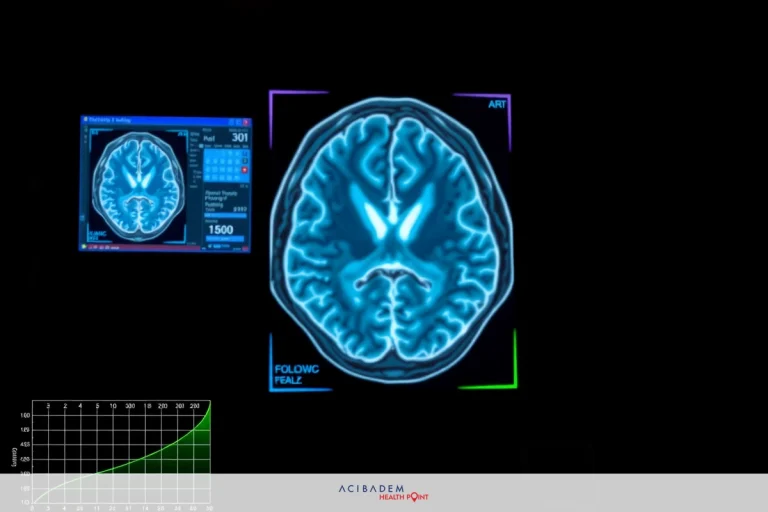
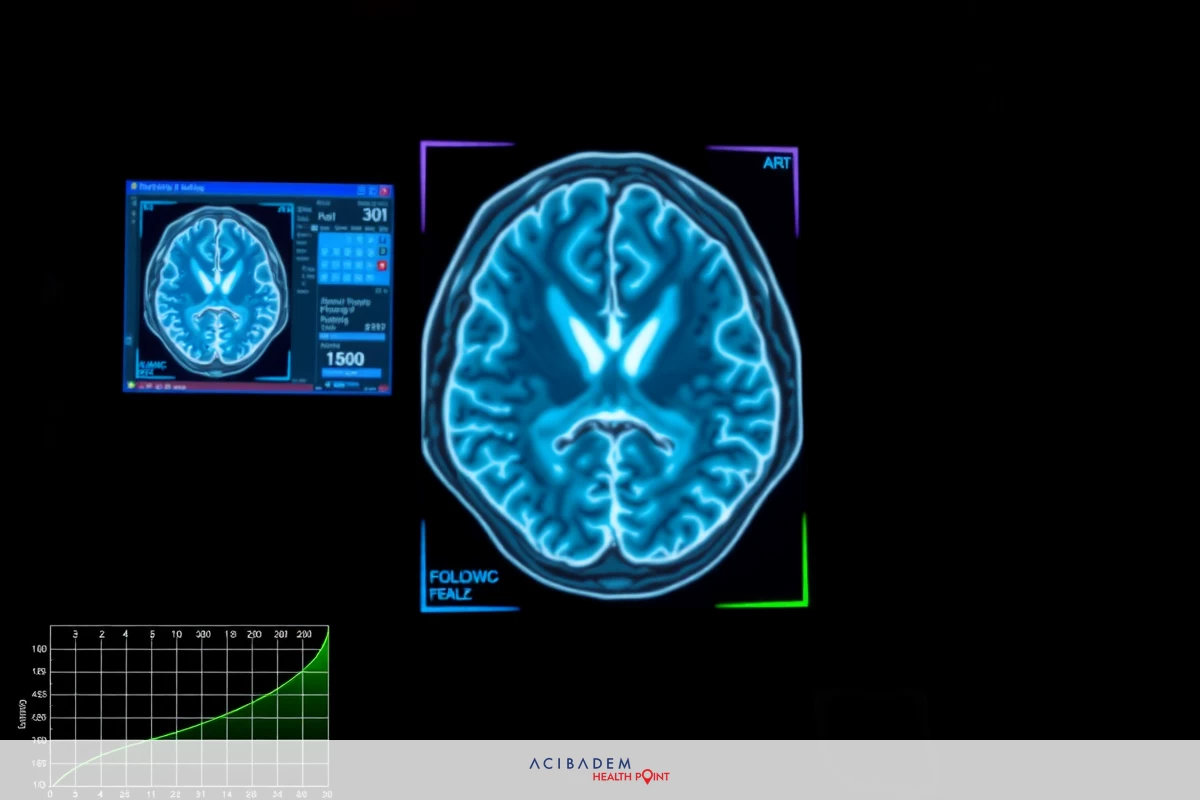
Accurate diagnosis of posterior cord injuries is essential for effective treatment. MRI and CT scans provide detailed images of the brachial plexus, revealing the injury’s location and extent. This information aids doctors in developing a targeted treatment plan.
Doctors use nerve conduction studies and electromyography (EMG) to assess nerve and muscle function. The nerve conduction test measures the speed and strength of electrical signals in nerves, while EMG records electrical activity in muscles, aiding in the detection of nerve damage.
These tests and scans collectively help assess posterior cord injuries, providing doctors with a comprehensive view. This information enables personalized treatment plans tailored to each patient’s needs.
Treatment Strategies for Posterior Cord Brachial Plexus Injury
Treating a posterior cord brachial plexus injury involves a combination of surgery, physical therapy, and pain management. The specific approach depends on the severity of the injury.
Surgical Procedures
Severe nerve damage often requires neurosurgery, which involves nerve grafting and transfer techniques. These procedures restore nerve connections, improving muscle
function and reducing pain.
Physical Therapy and Rehabilitation
Physiotherapy plays a crucial role in recovery by strengthening muscles, enhancing mobility, and restoring motor skills. Therapists tailor personalized exercise plans targeting the injured muscles to facilitate healing.
Medication and Pain Control
Managing pain is essential in treating these injuries. Doctors typically prescribe analgesics and nerve pain medications. Finding the right combination of medicines and therapies is crucial for effectively reducing pain and improving quality of life.
What to Expect During the Recovery Process
Recovering from a posterior cord injury involves setting both immediate and future goals. Clear expectations help patients and families understand the progression from initial recovery to long-term management.
Immediate Recovery Objectives
Initially, the primary focus is to reduce pain and swelling, which are essential for a smooth recovery. During this phase, neuromuscular reeducation specialists often assist. Early objectives include:
- Minimizing swelling and pain
- Performing gentle range-of-motion exercises
- Creating a foundation for subsequent treatment
- Avoiding muscle wasting
These initial steps are vital for progress in rehabilitation.
Strategies for Long-Term Rehabilitation
Following the initial phase, the emphasis shifts to long-term recovery, aiming to restore patients’ daily routines. Key aspects of this phase include:
- Participating in organized occupational therapy to restore function
- Ongoing neuromuscular training to improve motor function
- Establishing customized recovery goals to track progress
- Using adaptive equipment when necessary
Research and patient experiences highlight that personalized occupational therapy is highly effective. Long-term care typically requires collaboration among multiple healthcare professionals to achieve optimal results.
Effects on Daily Life and Routine Activities
A posterior cord brachial plexus injury significantly impacts daily life, requiring adaptation, support, and the use of specialized devices for routine activities.
“Modifications and Changes”
People with these injuries often need to significantly modify their daily routines. Tasks such as dressing, cooking, and cleaning can become challenging. Assistance from disability organizations can guide you in adapting your lifestyle.
Using ergonomic furniture at home can simplify daily tasks, and assistive tools for eating and dressing can enhance your independence.
Support Networks and Resources
Support is essential for managing daily life after a posterior cord injury. Family, friends, and caregivers provide emotional and practical assistance, while disability groups, therapy, and specialized tools also play a vital role.
These tips support maintaining your independence. Reading reviews of ergonomic products and consulting suppliers can assist in selecting the best tools for daily activities.
| Adaptive Equipment | Function |
|---|---|
| Specialized Utensils | Facilitate easier eating for those with limited hand mobility |
| Dressing Aids | Assist with putting on clothes independently |
| Ergonomic Chairs | Provide better support and comfort, reducing strain during prolonged use |
| Modified Computer Accessories | Enable efficient use of technology despite physical limitations |
Recent Developments in Brachial Plexus Injury Treatment
Recent research is advancing treatments for brachial plexus injuries, exploring new therapies to improve nerve healing.
Biomedical engineering research explores innovative techniques for nerve repair and rehabilitation. Advances in prosthetics are also transforming recovery for individuals with nerve injuries.
Reviewing clinical trials reveals recent developments. Resources like ClinicalTrials.gov list ongoing studies on new treatments for brachial plexus injuries, including innovative surgeries and medications. Understanding Posterior Cord Injury and Brachial Plexus Insights
| Innovative Therapy | Primary Focus | Clinical Trial Phase |
|---|---|---|
| Stem Cell Therapy | Nerve Regeneration | Phase II |
| Electrostimulation | Functional Recovery | Phase III |
| Gene Therapy | Tissue Repair | Phase I |
The table highlights new treatments under investigation that could significantly benefit those with brachial plexus injuries. Clinical trials allow researchers to refine and improve these therapies. Understanding Posterior Cord Injury and Brachial Plexus Insights
Going ahead, doctors and scientists are collaborating to improve and personalize treatments for brachial plexus injuries. Advances in research promise a brighter future and better outcomes for patients.
Preventive Strategies and Risk Reduction
To prevent posterior cord brachial plexus injuries, it’s essential to adhere to safety protocols at work and during sports. Wearing proper protective equipment and following safety guidelines can significantly reduce the risk of such serious injuries.
Proper Ergonomic Techniques
Adhering to health and safety protocols at work is essential to prevent nerve injuries. Proper ergonomic setup, such as adjustable chairs and desks, minimizes strain. Regular breaks and stretching further support nerve health. These measures are crucial for injury prevention.
Safety Equipment for High-Risk Activities
Understanding Posterior Cord Injury and Brachial Plexus Insights In contact sports, wearing proper protective equipment is essential to reduce injury risk. Research indicates that gear such as shoulder pads and neck braces can prevent brachial plexus injuries. Using high-quality, well-fitting safety gear is crucial in high-risk activities. Adhering to safety guidelines helps athletes stay safe and improves performance by minimizing injuries.


