





Understanding the AAP Guidelines for Closed Head Injuries
Understanding the AAP Guidelines for Closed Head Injuries Managing head injuries in children is crucial. The American Academy of Pediatrics (AAP) provides specific guidelines to ensure kids receive appropriate care for such injuries.
The AAP’s guidance is essential for healthcare providers, parents, and caregivers, helping families make informed decisions about head injury treatment. This guide highlights the importance of these rules in caring for children. Understanding the AAP Guidelines for Closed Head Injuries
Understanding Pediatric Closed Head Injuries
Closed head injuries frequently occur in children and require careful attention. They result from head trauma without skull fracture, ranging from mild to severe, and can be challenging to diagnose and manage.
What exactly is a closed head injury?
A closed head injury occurs when the head is struck, but the skull remains intact. Unlike penetrating injuries, it can lead to a concussion, skull fractures, or internal bleeding.
Typical Causes of Head Injuries in Children
Understanding the reasons behind these injuries is essential for prevention. The primary causes include:
- Children frequently trip and fall during play, at school, or at home.
- Children participating in sports such as football, soccer, and basketball may sustain injuries.
- Motor vehicle accidents can lead to severe head injuries, particularly when children’s safety is not ensured.
Understanding the AAP Guidelines for Closed Head Injuries These reasons highlight the importance of taking precautions to prevent head injuries in children.
Overview of the AAP Closed Head Injury Guidelines
The American Academy of Pediatrics (AAP) has established guidelines for managing pediatric closed head injuries. These evidence-based recommendations ensure safe and effective treatment for children.
Initially, doctors evaluate the injury’s severity and perform a risk assessment to determine the optimal treatment, reducing the likelihood of further complications.
The pediatric neurotrauma protocol outlines steps for varying injury severity, from mild to severe. Close monitoring and treatment adjustments are essential.
Doctors carefully utilize imaging methods such as CT scans and MRIs to optimize resource use and protect children from excessive radiation exposure. Understanding the AAP Guidelines for Closed Head Injuries
The AAP head injury guidelines specify when surgery is necessary and emphasize collaboration among multiple healthcare professionals for optimal care.
In brief, the AAP’s closed head injury guidelines are essential for physicians, ensuring consistent, high-quality care for children.
Evaluation and Initial Diagnosis of Closed Head Injuries
When a child sustains a closed head injury, doctors carefully assess its severity using various tests and scans. This evaluation guides their decisions on the best course of action to aid the child’s recovery.
Clinical Assessment
Doctors begin by asking detailed questions and examining the child’s body to understand how the injury occurred and identify any symptoms. They check for signs such as changes in thinking, movement, or abnormal pupil appearance. Understanding the AAP Guidelines for Closed Head Injuries
Imaging Methods
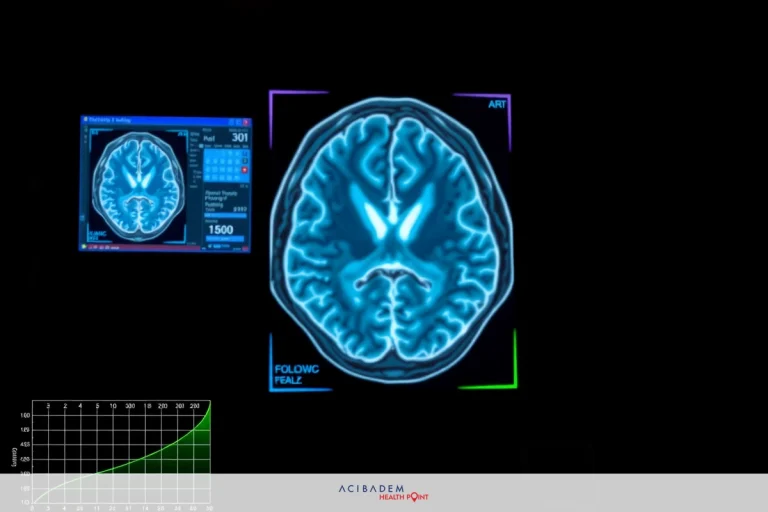
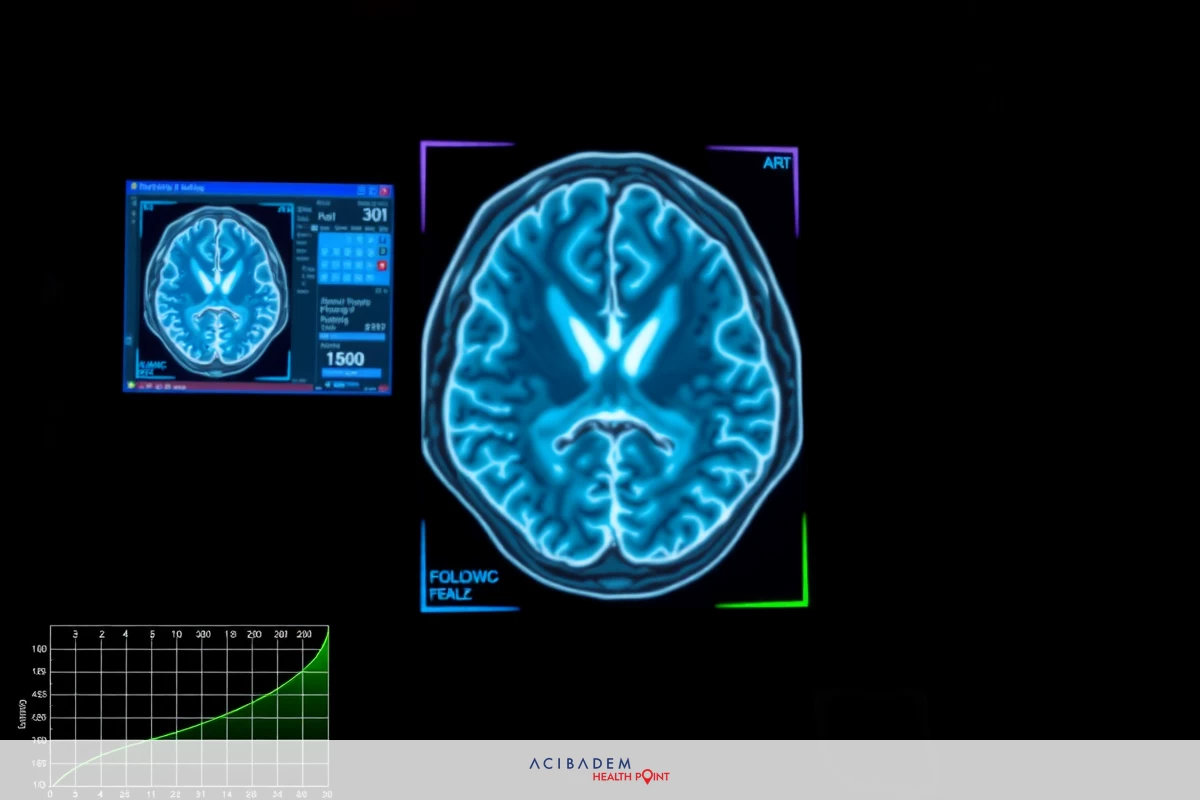
Doctors often use specialized imaging tests such as CT and MRI scans to examine the brain internally. These scans help detect hidden issues, with the choice of test depending on the injury’s severity and initial findings.
Risk Assessment
After assessment and testing, doctors determine the injury’s severity by evaluating symptoms, test results, and the child’s medical history. This guides their treatment pl
an and resource allocation.
| Component | Description | Importance |
|---|---|---|
| Thorough History-Taking | Includes details about the injury, initial symptoms, and medical history | High |
| Neurological Examination | Assessment of consciousness, motor skills, and pupil response | Critical |
| Imaging Techniques | Use of CT scans and MRIs to visualize internal head structures | Variable Based on Clinical Needs |
| Risk Stratification | Evaluation to determine the need for immediate or specialized care | Essential for Tailoring Treatment |
Handling Minor Closed Head Injuries
The American Academy of Pediatrics (AAP) provides guidelines for managing minor head injuries in children. Many of these injuries can be safely treated at home, and following the recommendations promotes quicker recovery and eases parental concerns.
Home Care Guidelines
Ensure children get plenty of rest and avoid strenuous activities, as recommended by the AAP for recovery. Monitor them for worsening symptoms such as excessive drowsiness, severe headache, or vomiting.
Use acetaminophen to manage pain, but avoid giving aspirin, as it could worsen the condition.
Ongoing Monitoring and Follow-Up
Monitoring the child closely after an injury is essential. Regular doctor visits help ensure proper recovery and allow early detection of potential issues.
Watch for changes in their behavior, difficulty waking, or new symptoms. Seek medical help immediately if you notice any of these.
Handling Severe Closed Head Injuries
Severe head injuries require prompt and careful medical attention, particularly in children. Recognizing the severity is crucial for appropriate treatment, improved recovery, and minimized long-term consequences.
Hospitalization Guidelines
Children with severe head injuries typically require hospitalization. They may have been unconscious for extended periods, experienced seizures, or exhibit significant neurological changes. In the hospital, medical teams monitor their condition closely to manage potential complications.
Surgical Procedures
In severe head injury cases, children may require surgery such as a craniotomy to reduce brain pressure, remove blood clots, or repair skull fractures. Medical teams assess the situation and tests to determine the need. Prompt surgery can prevent further brain damage and promote quicker recovery.
Collaborative Multidisciplinary Care
Managing severe head injuries requires a collaborative team effort. Doctors, nurses, and therapists work together to monitor and support the child’s breathing, heart function, and nutrition. Post-injury therapy is essential for helping children regain their skills and improve their quality of life.
| Disciplinary Team | Role in Care | Focus Area |
|---|---|---|
| Neurosurgeons | Perform critical surgical interventions | Relief of intracranial pressure |
| Intensivists | Provide intensive monitoring and management | Vital sign stability and infection prevention |
| Rehabilitation Specialists | Facilitate recovery through therapy | Physical, occupational, and speech therapy |
| Pediatricians | Coordinate overall care and follow-up | Holistic health management |
Signs That Require Urgent Medical Care
Recognizing when to seek immediate help is vital for children with brain injuries. Identifying warning signs of head trauma enables caregivers to respond promptly.
Indicators of Serious Problems
Certain symptoms indicate a serious head injury in children, such as:
- Persistent, unrelenting headache
- Frequent vomiting or nausea
- Temporary or brief loss of consciousness
- Seizure episodes
- Trouble waking or remaining alert
- Slurred speech or limb weakness
- Asymmetrical pupils
Seek immediate medical attention if you notice these symptoms of head injury.
Emergency Response Procedures
To care for a child with a brain injury, follow these essential steps as recommended by the American Academy of Pediatrics and health professionals:
- Dial 911 or immediately bring the child to the closest emergency room.
- Keep the child still and minimize movement.
- Monitor their breathing and alertness; perform CPR if necessary.
- Provide the emergency team with detailed information about the incident and any symptoms.
Prompt response and appropriate emergency treatment are crucial for children with severe head injuries. Understanding the AAP Guidelines for Closed Head Injuries


