





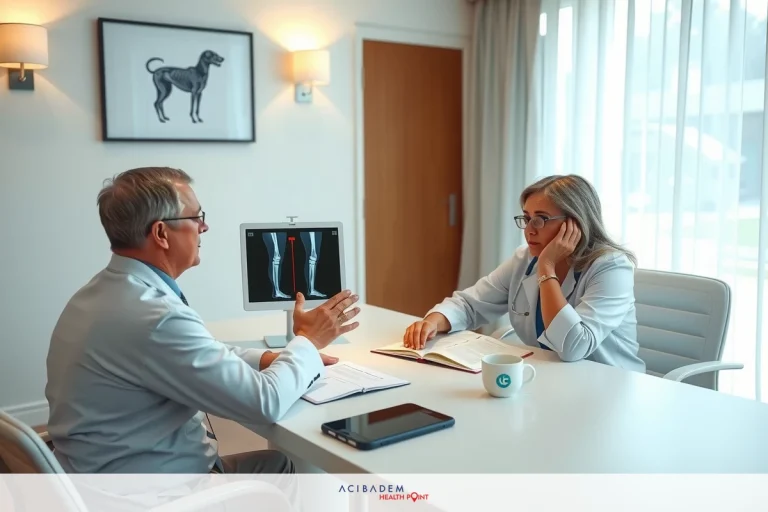
Three-Level Spinal Fusion Surgery
Three-Level Spinal Fusion Surgery Three-level spinal fusion surgery stabilizes the spine and relieves persistent back pain. It’s designed for individuals with severe back issues unresponsive to other treatments, by fusing three vertebrae to eliminate movement and reduce pain.
Three-Level Spinal Fusion Surgery Vertebral fusion solidifies spinal segments into a single, robust structure, reducing pain and enhancing mobility. Evidence indicates it effectively addresses various back issues, making it a vital option for significant pain relief.
What does a 3-level spinal fusion surgery involve?
Three-level spinal fusion surgery is a specialized procedure aimed at treating severe spinal issues by permanently joining three vertebrae to stabilize the spine.
This surgery is suitable for individuals experiencing significant pain that doesn’t improve with other treatments.
Understanding the Concept and Summary
This procedure fuses three vertebrae, preventing movement, which alleviates pain and enhances spinal stability.
This surgery is commonly used to treat degenerative disc disease and scoliosis, as it stabilizes the spine and corrects its alignment.
Typical Conditions Addressed
Many spinal issues, such as degenerative disc disease and spondylolisthesis, can be effectively treated with 3-level spinal fusion surgery, which stabilizes the affected vertebrae.
| Condition | Description | Frequency of Treatment |
|---|---|---|
| Degenerative Disc Disease | Breakdown of intervertebral discs | High |
| Spondylolisthesis | Slippage of vertebrae | Moderate |
| Scoliosis | Curvature of the spine | High |
Advantages of Three-Level Spinal Fusion Surgery
A three-level spinal fusion surgery can significantly benefit individuals with serious spinal problems by alleviating chronic pain and improving stability and mobility.
Pain Relief
A major advantage of this procedure is significantly reduced pain. Those who previously endured chronic discomfort experience notable relief and can perform daily activities without constant pain.
Enhanced Stability
This surgery stabilizes the spine by fusing three levels, reducing pain and future complications. It also supports proper posture and lowers the risk of injury.
Improved Mobility
Many patients experience improved movement after this surgery, enabling them to perform activities previously hindered by pain and instability. This often allows them to return to work and enjoy leisure activities they had been missing.
| Benefit | Description | Impact on Quality of Life |
|---|---|---|
| Pain Relief | Significant reduction in chronic pain | Enables more comfortable daily living |
| Improved Stability | Enhanced spinal support and prevention of unwanted motion | Maintains proper posture, reducing injury risk |
| Enhanced Mobility | Increased freedom of movement and functional abilities | Allows return to work and recreational activities |
Eligibility for a 3-Level Spinal Fusion Surgery
Preparing for a three-level spinal fusion involves a thorough assessment of each patient. It is intended for individuals who have not found relief through other treatments and continue to experience significant, chronic back pain.
Who Requires This Procedure?
Individuals suffering from severe back pain due to conditions like degenerative disc disease, scoliosis, or spondylolisthesis may require surgery, especially when these conditions significantly impair quality of life. Prior to surgery, they must demonstrate that conservative treatments have been ineffective.
Preoperative Assessments
Prior to surgery, doctors conduct a comprehensive assessment to determine if you’re suitable, including: Three-Level Spinal Fusion Surgery
- Reviewing your medical history to assess the duration and severity of your symptoms
- Assessing your movement, reflexes, and nerve function
- Utilizing MRI and CT imaging to identify unstable or degenerating regions of the spine.
Thorough planning ensures the selection of ideal candidates and increases the likelihood of successful surgery.
Surgical Procedure Summary
Three-level spinal fusion surgery is complex and requires meticulous planning and precision. Proper preparation enhances patient outcomes and aids in a smoother recovery.
Preoperative Planning
Prior to surgery, patients should prepare thoroughly by discontinuing specific medications, quitting smoking, and undergoing medical evaluations. These steps help ensure a smooth procedure and proper readiness.
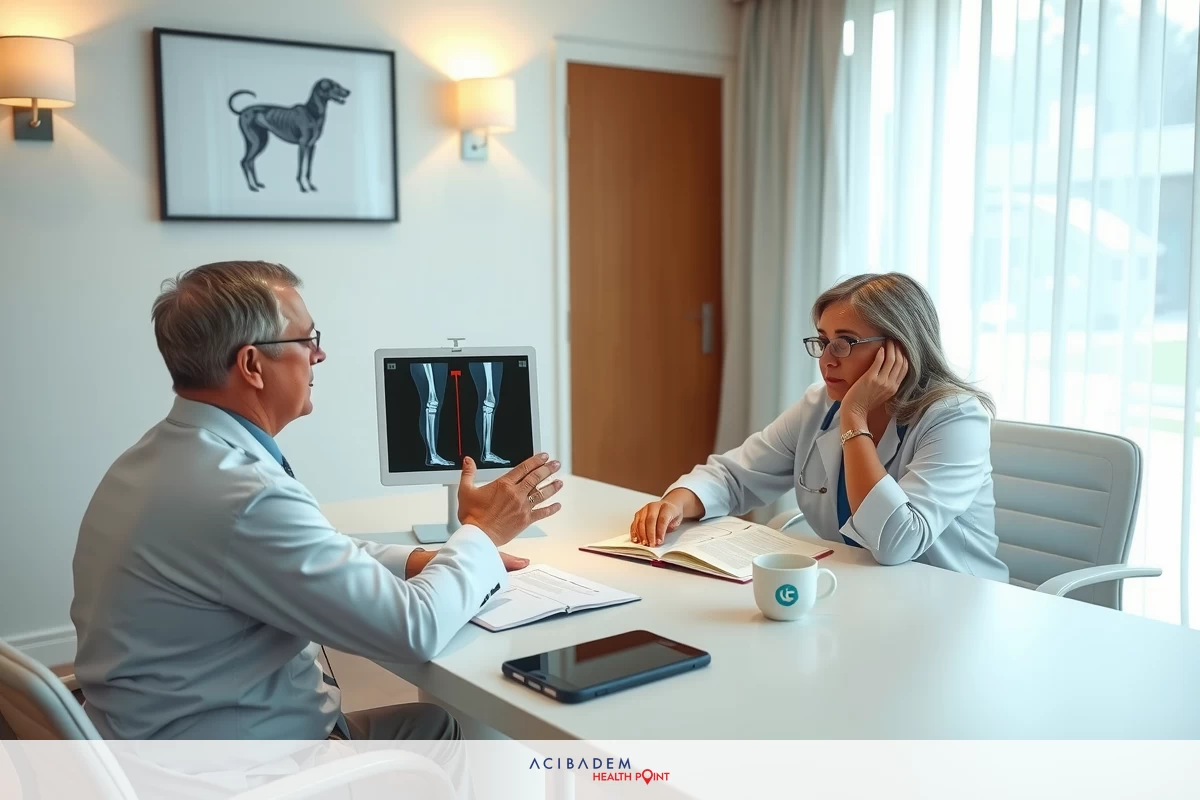
Stages of the Surgical Procedure
The surgery involves key steps:
- Incision: The surgeon carefully cuts through tissue to access the spine.
- Fusion: Bone grafts facilitate the joining of vertebrae.
- Hardware Placement: Screws and rods provide spinal stability both during and after surgery.
Each step ensures proper healing and strength of the spine, using the most effective surgical techniques.
Postoperative Care
A successful recovery after surgery relies on an effective plan, which should include:
- Monitoring the surgical site to prevent infection.
- Pain Relief: Providing effective medication to ensure patient comfort.
- Gradual Reintroduction to Activity: A phased approach for easy movement recovery.
This recovery plan guides patients along a straightforward path to recovery, ensuring they maximize the benefits of surgery.
Post-Surgery Recovery Steps
Recovery from a three-level spinal fusion requires patience and proper care. The process involves key steps to promote healing and stability, with each phase essential for a successful recovery. Three-Level Spinal Fusion Surgery
Initially, manage pain and swelling by engaging in gentle activities and adhering to specific activity adjustments. This supports your spine’s healing process without putting additional stress on it.
Follow-up care is essential for your recovery. The surgical team will monitor your healing regularly, identify any issues, and adjust your treatment to ensure you stay on track with your activities.
As you improve, you’ll engage in more physical activities and follow a personalized rehab plan with tailored exercises to gradually resume your daily routine.
Recovering from spinal fusion surgery requires diligent care, consistent follow-ups, and activity adjustments to ensure a strong, pain-free spine.
Possible Risks and Complications
Three-Level Spinal Fusion Surgery Undergoing a three-level spinal fusion requires understanding the associated risks. While many patients experience significant benefits, being aware of potential complications is essential for safety.
Typical Risks
Typical risks associated with three-level spinal fusion surgery include:
- Infection: Post-surgery, infection may develop at the surgical site.
- Blood Clots: Patients are at risk of developing clots in their legs or lungs and should be monitored closely to prevent complications.
- Nerve Injury: Surgery may damage nerves, leading to numbness or weakness.
Severe Complications
Three-Level Spinal Fusion Surgery Serious issues are less common but highlight the importance of effectively managing complications.
- Hardware failure: Devices or screws may break, requiring additional surgery.
- Spinal nonunion: Failure of segments to fuse properly, leading to persistent pain and potential additional surgery.
To ensure patient safety, doctors must discuss potential risks and complication management with patients before surgery. Here’s a brief overview of common and serious surgical risks:
| Surgical Risks | Management Strategies |
|---|---|
| Infection | Antibiotic prophylaxis and sterile surgical techniques |
| Blood Clots | Postoperative anticoagulation therapy and mobilization |
| Nerve Damage | Careful surgical planning and intraoperative monitoring |
| Hardware Failure | High-quality surgical implants and regular follow-ups |
| Nonunion of Spine Segments | Bone grafting techniques and postoperative imaging |
Physical Therapy and Rehabilitation
Recovery after surgery is essential for a successful outcome. Customized physical therapy helps improve strength, flexibility, and mobility. Having a personalized rehab plan ensures proper healing and optimal results.
The Significance of Rehabilitation
Having a structured rehab plan after a three-level spinal fusion is crucial. It promotes healing, reduces pain, and improves function—benefits that extend beyond the immediate recovery. Proper rehab enhances mobility and decreases the risk of future issues.
Different Types of Physical Therapy
A rehabilitation plan includes various types of physiotherapy.


