





The T12 Vertebras Role Health
The T12 Vertebras Role Health The T12 vertebra is a crucial component of the human spine, serving as the transitional bridge between the thoracic and lumbar regions. Situated at the level of the lower back, T12 plays a vital role in supporting the upper body’s weight, facilitating movement, and protecting the spinal cord. Its unique anatomical features make it distinct from other vertebrae, combining characteristics of both thoracic and lumbar bones to accommodate the complex mechanics of the back.
Structurally, the T12 vertebra is larger and more robust than the thoracic vertebrae above it, designed to bear greater loads. It features a prominent body, which is wider and more cylindrical, providing stability for the lumbar region. Its vertebral arch and processes serve as attachment points for muscles and ligaments that aid in movement and posture. The rib facets on the sides of T12 are less prominent than in the thoracic vertebrae but are still present, linking to the lower ribs and adding to the structural integrity of the thoracic cage.
The health of the T12 vertebra is integral to maintaining overall spinal health and function. Conditions affecting this vertebra can have widespread implications, including pain, mobility issues, and neurological symptoms. Osteoporosis, for example, which causes weakening of the bones, can lead to compression fractures in the T12 vertebra, resulting in severe back pain and deformity. Such fractures are common in older adults, particularly women with osteoporosis, and can compromise spinal stability.
Another common concern is herniation or degeneration of the intervertebral discs adjacent to T12. When a disc herniates or degenerates, it can impinge on the spinal cord or nerve roots, causing symptoms like pain, numbness, or weakness in the lower limbs. Such issues may result from trauma, repetitive strain, or age-related wear and tear. The T12 Vertebras Role Health
The T12 Vertebras Role Health In addition to degenerative conditions, traumatic injuries such as fractures or dislocations can occur due to falls, accidents, or sports injuries. These injuries can range from mild compression fractures to severe dislocations, potentially damaging the
spinal cord or nerve roots, leading to neurological deficits or paralysis if not promptly treated.
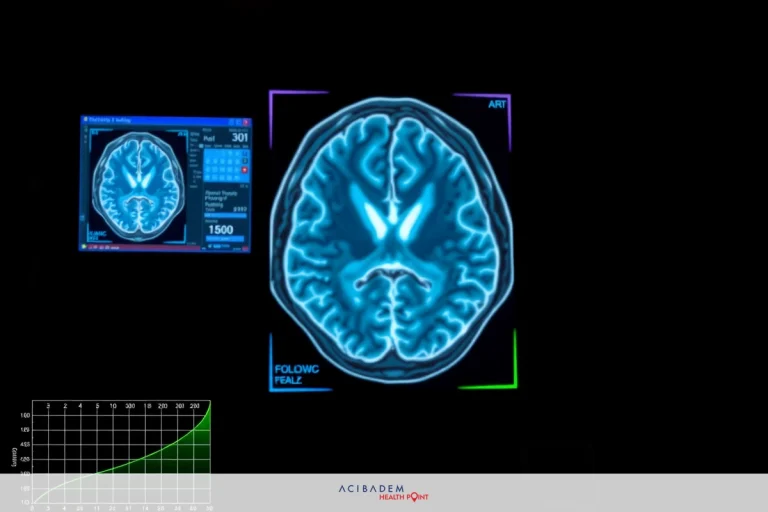
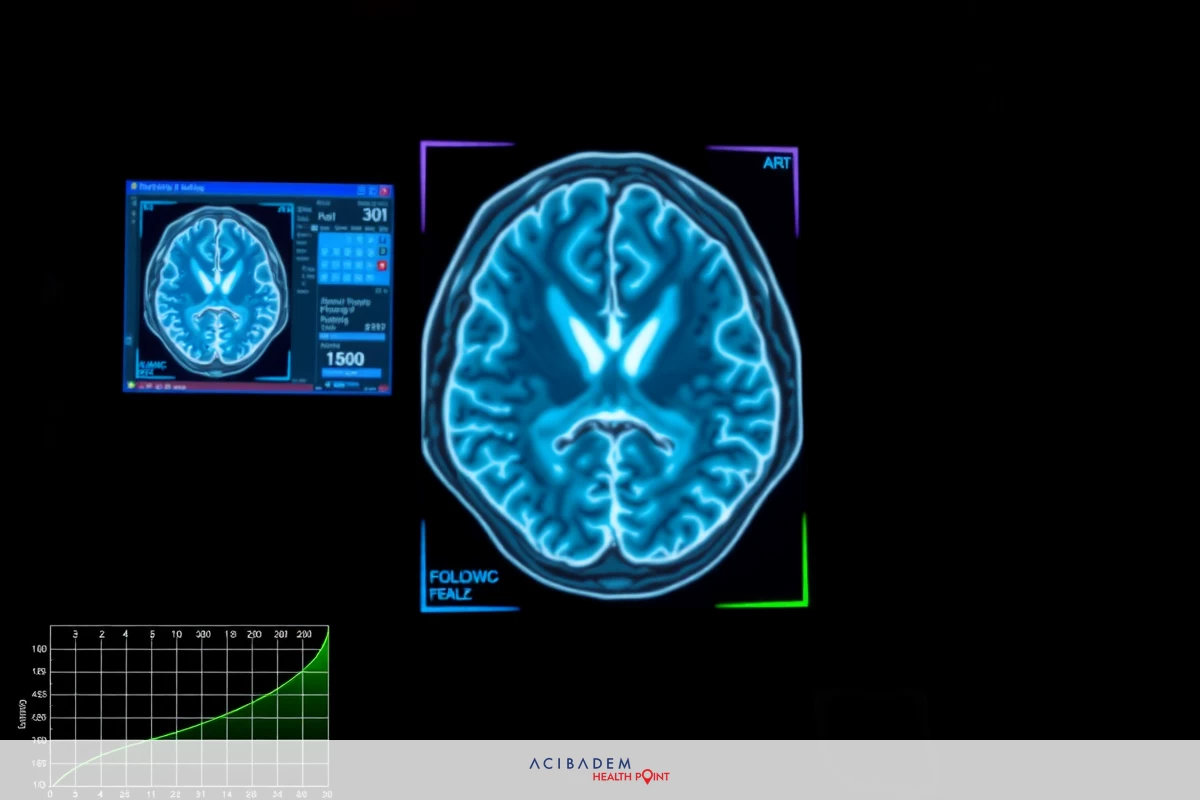
Preventative care for maintaining T12 health involves good posture, regular exercise, and adequate nutrition to promote bone density. Strengthening core muscles can provide additional support to the spine, reducing the risk of injury. For individuals experiencing persistent back pain or suspect injury, medical evaluation including imaging studies like X-rays, MRI, or CT scans is essential for accurate diagnosis and appropriate treatment. The T12 Vertebras Role Health
The T12 Vertebras Role Health Treatment options for T12-related problems vary based on the severity and nature of the condition. Conservative approaches include physical therapy, pain management, and lifestyle modifications. In more serious cases, surgical interventions such as vertebral stabilization or decompression might be necessary to restore spinal integrity and function.
The T12 Vertebras Role Health Understanding the role of the T12 vertebra highlights its significance in spinal health and the importance of preventive and timely medical care. By protecting this vital segment of the spine, individuals can maintain mobility, reduce pain, and improve overall quality of life.


