





The Schadel Craniosynostosis Effects The Schadel Craniosynostosis Effects
The Schadel Craniosynostosis Effects The Schadel Craniosynostosis Effects
Craniosynostosis, particularly the form associated with Schadel syndrome, presents a complex set of challenges that affect both the physical structure and developmental trajectory of affected children. This rare genetic disorder is characterized by the premature fusion of one or more sutures in a baby’s skull, which can lead to abnormal head shapes, increased intracranial pressure, and developmental delays. Understanding the effects of Schadel craniosynostosis is essential for early diagnosis and effective management. The Schadel Craniosynostosis Effects The Schadel Craniosynostosis Effects
The skull of an infant is composed of several bones separated by sutures, which allow for growth as the brain develops. In Schadel syndrome, these sutures close too early, restricting skull growth in certain areas. This premature fusion often results in a misshapen head that may appear elongated, flattened, or asymmetric. Such cranial deformities are typically visible during early childhood, prompting medical evaluations. The severity and specific pattern of skull deformity depend on which sutures fuse prematurely and the extent of fusion. The Schadel Craniosynostosis Effects The Schadel Craniosynostosis Effects
Beyond the cosmetic concerns, the effects of craniosynostosis can have significant implications for neurological health. As the skull fails to expand appropriately, intracranial pressure can increase, resulting in headaches, irritability, vomiting, and in severe cases, visual disturbances. Elevated intracranial pressure can also hinder brain growth and development, potentially leading to cognitive delays, learning disabilities, and motor skill impairments. Early intervention is critical to prevent long-term neurological consequences. The Schadel Craniosynostosis Effects The Schadel Craniosynostosis Effects
Schadel craniosynostosis often presents alongside other syndromic features, including facial abnormalities, eye issues, and limb anomalies. Children may exhibit hypertelorism (widely spaced eyes), downward slanting eyelids, or other facial dysmorphisms. These features are part of the broader syndrome spectrum that includes developmental and structural abnormalities, making comprehensive medical assessment essential. The Schadel Craniosynostosis Effects The Schadel Craniosynostosis Effects
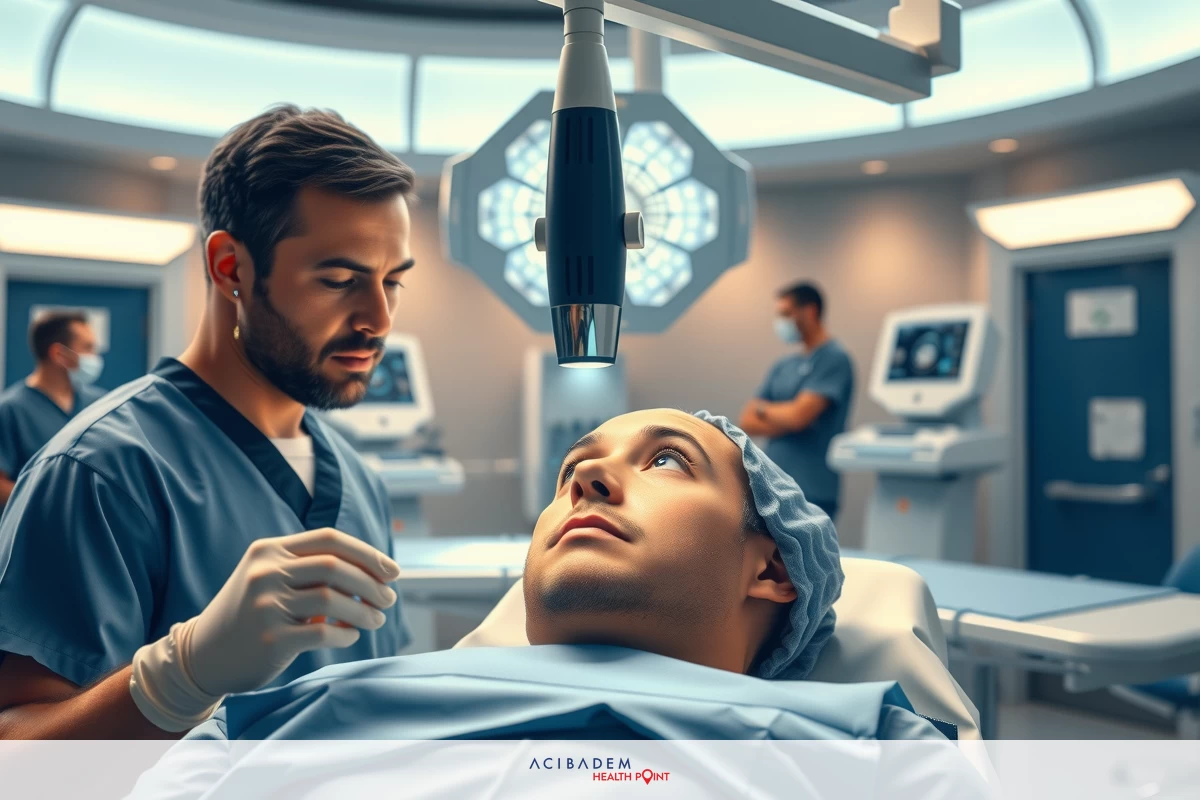
Management of Schadel craniosynostosis involves a multidisciplinary approach. Surgical correction is the primary treatment, aiming to reshape the skull, relieve intracranial pressure, and promote normal brain growth. Surgery is most effective when performed early, typically within the first year of life, to optimize outcomes. Postoperative care often includes physical therapy, developmental support, and monitoring for potential complications such as recurrence or additional craniofacial issues.
In addition to surgical intervention, ongoing developmental assessments are crucial for children with Schadel syndrome. Early intervention programs, speech therapy, and educational support can significantly improve quality of life and developmental outcomes. Advances in imaging technology, genetics, and surgical techniques continue to improve prognosis, enabling more tailored and effective treatments.
Overall, the effects of Schadel craniosynostosis extend beyond physical deformities, impacting neurological development and overall health. Early diagnosis, timely surgical intervention, and comprehensive supportive care are vital to mitigate these effects, helping affected children achieve their full potential and lead healthier lives. The Schadel Craniosynostosis Effects The Schadel Craniosynostosis Effects


