





The Recovery Guide Cerebral Aneurysm Clipping Post Op Care
The Recovery Guide Cerebral Aneurysm Clipping Post Op Care Recovering from a cerebral aneurysm clipping is a critical and delicate phase that requires careful attention and diligent care. This surgical procedure, aimed at preventing rupture or re-bleeding of a brain aneurysm, involves placing a clip at the base of the aneurysm to isolate it from normal blood circulation. Post-operative care is vital to ensure optimal healing, minimize complications, and support neurological recovery.
The Recovery Guide Cerebral Aneurysm Clipping Post Op Care Initially, patients are usually monitored closely in an intensive care unit (ICU). During this period, vital signs such as blood pressure, heart rate, and oxygen levels are continuously observed. Maintaining stable blood pressure is crucial, as fluctuations can increase the risk of bleeding or strain on the brain. Healthcare providers often administer medications to control blood pressure, prevent seizures, and reduce swelling. Regular neurological assessments help detect any early signs of complications like increased intracranial pressure, new neurological deficits, or infection.
The Recovery Guide Cerebral Aneurysm Clipping Post Op Care Pain management is an important aspect of post-op care. Patients may experience headaches or discomfort, which can be alleviated with prescribed pain relievers. It is equally important to prevent infections, especially at the incision site and around any invasive devices such as catheters. Proper wound care, hygiene, and sometimes antibiotics are employed to reduce this risk.
Mobilization is typically encouraged as soon as possible, often within the first 24 hours, to promote circulation and prevent blood clots. Physical therapy may be initiated early to regain strength, coordination, and mobility, depending on the patient’s condition. However, activities are usually limited until the healthcare team confirms that it is safe to increase activity levels. The Recovery Guide Cerebral Aneurysm Clipping Post Op Care
Nutrition plays a vital role in recovery. Initially, patients might receive IV fluids or a special diet through a feeding tube if swallowing is impaired. Gradually, as swallowing and consciousness improve, patients transition to oral feeding. Proper nutrition supports tissue healing and boosts immune function, which is essential during this vulnerable period.
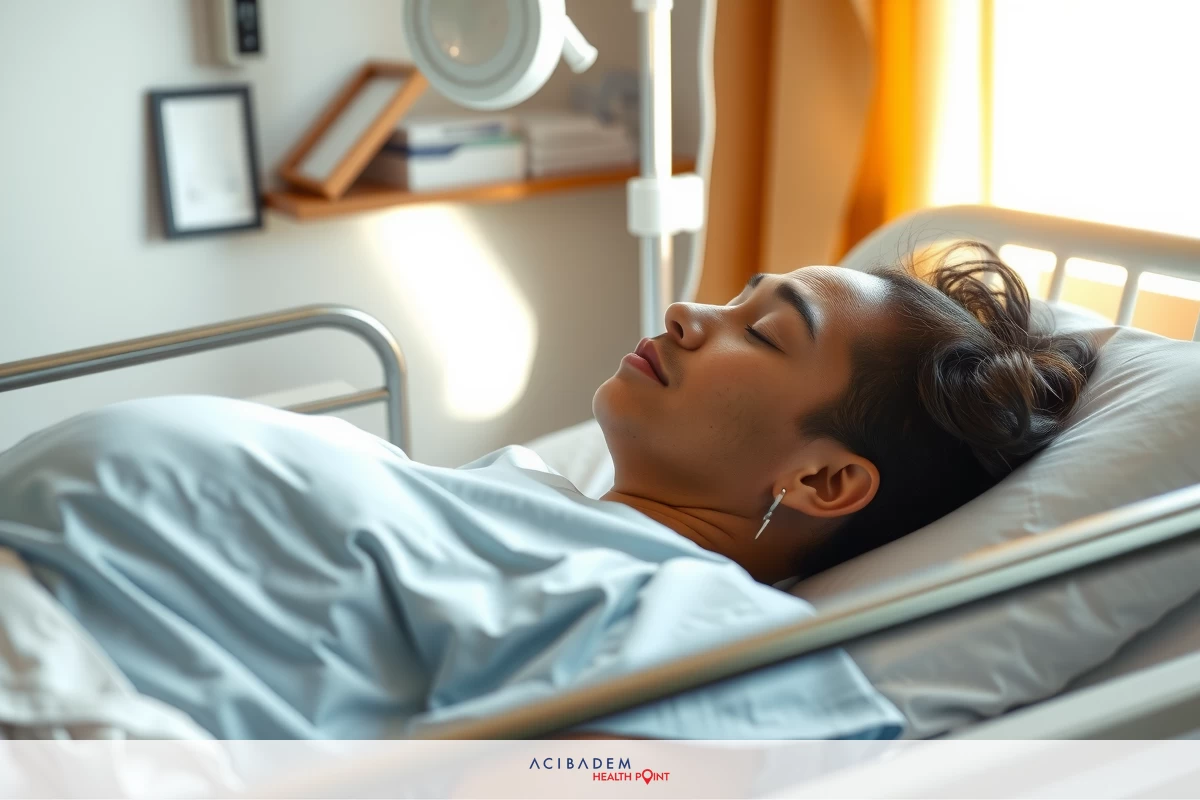
Monitoring for complications continues well beyond the initial days. Common issues include vasospasm—narrowing of the blood vessels—which can lead to ischemic stroke. To prevent this, patients may receive medications like calcium channel blockers, and their neurological status is carefully observed. Other potential complications include hydrocephalus (fluid accumulation in the brain), infections, or re-bleeding, each requiring prompt intervention.
Psychological support and counseling are often beneficial, as recovering from brain surgery can be emotionally challenging. Cognitive or speech therapy might be necessary if neurological functions are affected. Regular follow-up imaging, such as MRI or angiograms, helps ensure the aneurysm remains secure and identifies any secondary issues early. The Recovery Guide Cerebral Aneurysm Clipping Post Op Care
The Recovery Guide Cerebral Aneurysm Clipping Post Op Care Overall, recovery from cerebral aneurysm clipping involves a multidisciplinary approach, combining medical management, physical rehabilitation, and emotional support. Patience, adherence to medical advice, and vigilant observation are key components that contribute to a successful recovery and a return to daily activities.


