





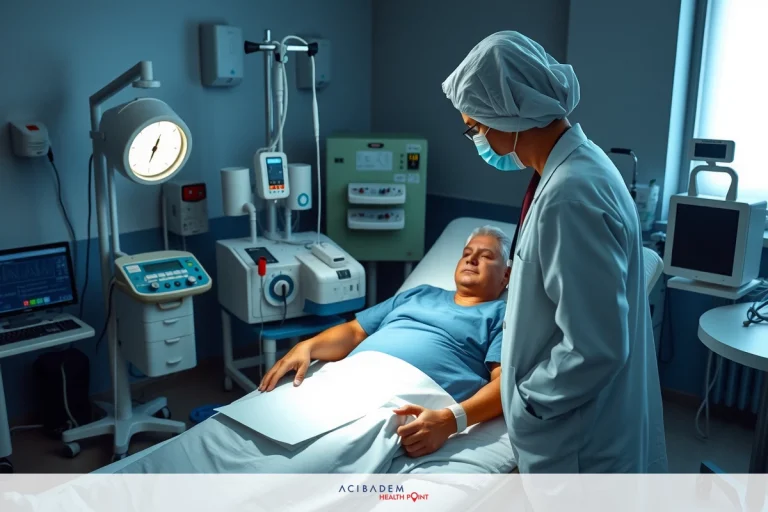
The Minor Closed Head Injury Treatment Options
The Minor Closed Head Injury Treatment Options A minor closed head injury, often referred to as a mild traumatic brain injury or concussion, is a common occurrence resulting from a blow or jolt to the head that does not penetrate the skull. Despite being considered “minor,” these injuries require careful management to prevent complications and promote recovery. Fortunately, many treatment options are available that focus on symptom relief and patient reassurance.
Initially, the primary approach involves rest—both physical and cognitive. Rest allows the brain to heal by reducing metabolic demand and preventing further injury. Patients are advised to avoid strenuous activities, sports, and heavy lifting until symptoms subside. Cognitive activities such as reading, screen time, or intense mental work should be limited early on, as they can exacerbate symptoms like headaches and dizziness. Gradual resumption of activities is encouraged once symptoms improve, under medical guidance. The Minor Closed Head Injury Treatment Options
The Minor Closed Head Injury Treatment Options Pain management plays a crucial role in treatment. Over-the-counter medications like acetaminophen are typically recommended to alleviate headaches. Non-steroidal anti-inflammatory drugs (NSAIDs), such as ibuprofen, may be used cautiously, especially if there is concern about bleeding or other contraindications. Patients are advised to avoid medications that could increase bleeding risk unless prescribed by a healthcare professional.
Monitoring symptoms is vital, and patients should be educated on warning signs that necessitate immediate medical attention. These include worsening headaches, persistent vomiting, confusion, weakness, seizures, or loss of consciousness. Regular follow-up with healthcare providers ensures that recovery progresses appropriately and helps identify any complications early.
While medication and rest form the core of treatment for minor head injuries, certain supportive therapies can also be beneficial. For example, vestibular or physical therapy may be recommended if dizziness or balance issues persist. Cognitive therapy or counseling can help address
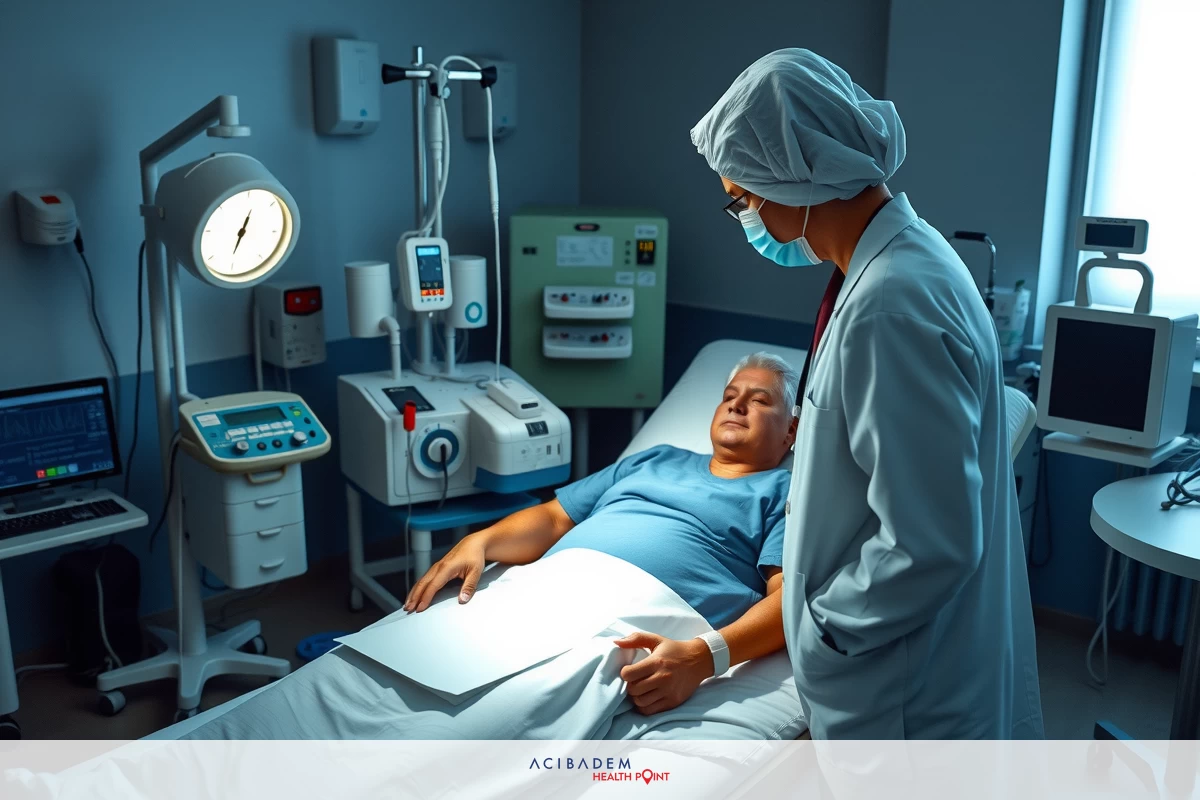
emotional or psychological effects such as irritability, anxiety, or depression that sometimes follow head injuries. The Minor Closed Head Injury Treatment Options
The Minor Closed Head Injury Treatment Options Preventive strategies are equally important to avoid future injuries. Wearing appropriate protective gear during sports, using seat belts, and minimizing risky activities contribute significantly to safety. Educating patients and caregivers about head injury awareness and proper management can help reduce the risk of recurrence and facilitate quicker recovery.
The Minor Closed Head Injury Treatment Options In cases where symptoms are prolonged or more complex than initially thought, additional assessments such as neuroimaging or specialist consultations may be necessary. However, most minor closed head injuries tend to resolve within a few days to weeks with proper care. Rest, symptom management, and careful monitoring are the pillars of effective treatment, ensuring a safe and smooth recovery process.
Overall, understanding the treatment options for minor head injuries emphasizes the importance of immediate care, symptom management, and preventive measures. With appropriate intervention and cautious observation, individuals can recover fully and return to their normal activities.


