





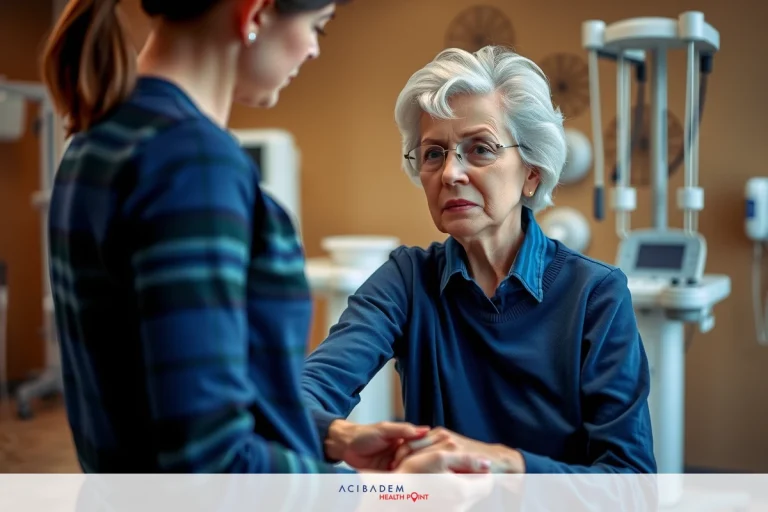
The lung cancer age support
The lung cancer age support Lung cancer remains one of the most daunting health challenges worldwide, with its prevalence rising steadily across various age groups. One of the key aspects of managing this disease effectively is understanding the relationship between age and lung cancer support. Age not only influences the risk of developing lung cancer but also impacts treatment options, prognosis, and the kind of support systems essential for patients.
The risk of lung cancer increases significantly with age, with most diagnoses occurring in individuals aged 55 and older. This trend is largely due to prolonged exposure to risk factors such as tobacco smoke, environmental pollutants, and occupational hazards, which accumulate over time. As people age, their bodies become less resilient, making the detection and treatment of lung cancer more complex. Older patients often face additional health hurdles, including comorbidities like heart disease or diabetes, which can complicate treatment decisions.
Support for lung cancer patients across different age groups is crucial, especially considering the unique emotional and physical challenges faced by elderly patients. Younger patients, although less frequently diagnosed, often grapple with concerns about career, family responsibilities, and future plans. They may require support that addresses psychological resilience, fertility considerations, and social support networks. Conversely, older adults may need assistance with mobility, managing multiple medications, and navigating healthcare systems that often have age-specific protocols. Recognizing these age-related needs ensures that support services are tailored appropriately.

Advances in early detection have played a vital role in improving outcomes, especially for older populations. Low-dose computed tomography (LDCT) scans have become instrumental in identifying lung cancer at earlier stages, which is particularly beneficial for high-risk, older individuals. Early diagnosis can lead to more effective treatments and better quality of life. However, screening decisions should be personalized, taking into account age, overall health, and patient preferences.
Support programs extend beyond medical treatment. They encompass psychological counseling, palliative care, nutritional support, and patient education. For seniors, community-based programs and caregiver support systems are integral, helping to alleviate the emotional burden and improve adherence to treatment plans. For younger patients, peer groups and online communities can foster understanding and resilience during their journey.
Furthermore, research into age-specific therapies is ongoing. Clinical trials are increasingly inclusive of older participants, recognizing the need for treatments that are effective and tolerable across age groups. Personalized medicine, which tailors treatment based on genetic and molecular profiles, also holds promise for improving outcomes regardless of age.
In conclusion, understanding the interplay between age and lung cancer support is essential for providing comprehensive care. As the population ages, healthcare providers must prioritize age-sensitive approaches, ensuring that every patient, young or old, receives the appropriate support, treatment, and hope for a better quality of life.


