





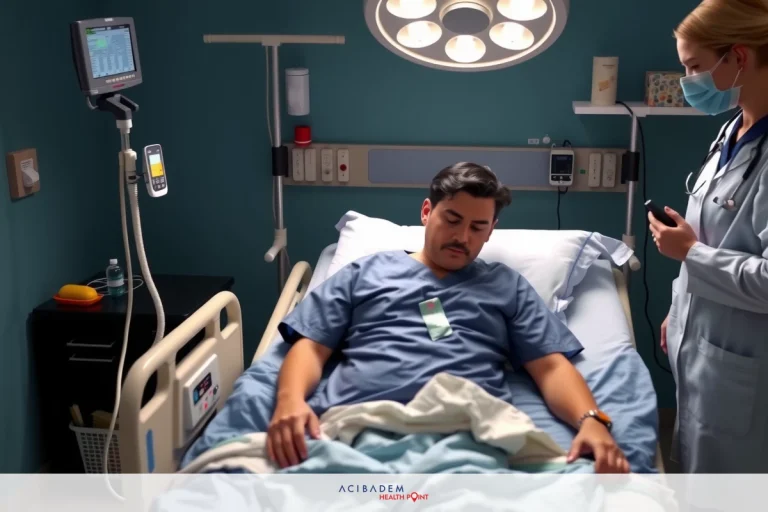
The liver cancer risk success rate
The liver cancer risk success rate Liver cancer, also known as hepatocellular carcinoma, is a formidable disease that often presents challenges in treatment and prognosis. Over recent decades, advancements in medical technology, early detection methods, and targeted therapies have gradually improved the outlook for many patients. However, understanding the success rate of liver cancer treatments requires considering various factors, including the stage of diagnosis, the patient’s overall health, and the specific treatment modalities employed.
The prognosis for liver cancer largely depends on the stage at which it is detected. Early-stage liver cancer, confined to the liver and without significant cirrhosis or spread, offers the best chance for successful treatment. Surgical options such as hepatectomy (liver resection) and liver transplantation are often the most effective when the disease is caught early. For patients eligible for surgery, the five-year survival rates can range from 50% to 70%. Liver transplantation, in particular, has shown promising results, with some studies reporting five-year survival rates exceeding 70% in carefully selected candidates, especially those meeting the Milan or UCSF criteria.
For more advanced stages where surgery isn’t feasible, other treatments come into play. Locoregional therapies like radiofrequency ablation (RFA), transarterial chemoembolization (TACE), and transarterial radioembolization (TARE) aim to control tumor growth and extend survival. While these treatments do not cure the disease, they can significantly improve quality of life and, in some cases, prolong survival. The success rate here varies widely but generally offers a median survival of 1-3 years depending on tumor size, number of tumors, and liver function.
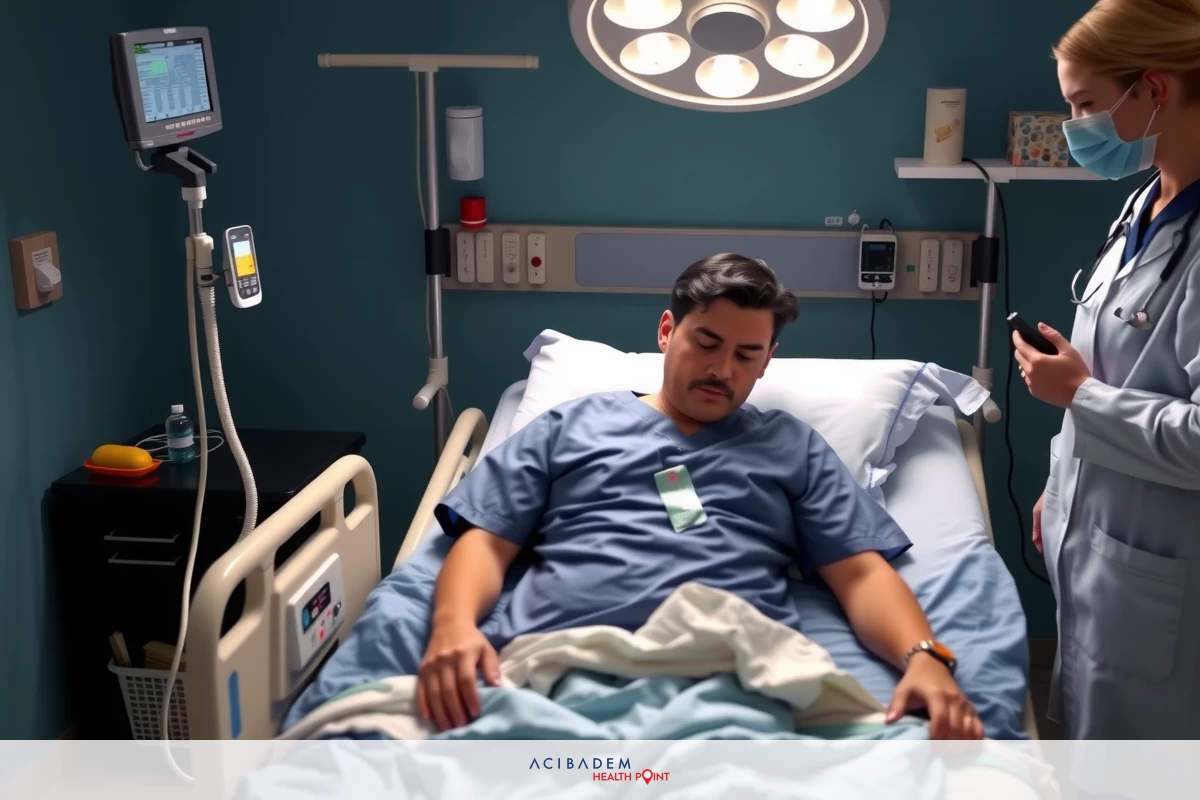
Systemic therapies, including targeted drugs like sorafenib and lenvatinib, have marked a new era in liver cancer management. These medications can slow disease progression and improve quality of life, with median survival times extending from approximately 6 to 12 months beyond conventional therapy. The overall response rates remain modest, but ongoing research continues to identify promising new agents and combination treatments, aiming to improve success rates further.
It’s important to note that the underlying liver condition—particularly cirrhosis—significantly influences treatment outcomes. Patients with compromised liver function tend to have lower success rates, as their ability to tolerate aggressive therapies diminishes. Additionally, early diagnosis remains crucial. Regular screening for high-risk populations, such as those with chronic hepatitis B or C infections or cirrhosis, can lead to earlier detection and better prognosis.
In conclusion, the success rate for liver cancer treatment varies considerably based on the stage at diagnosis, the patient’s overall health, and the specific therapies employed. While early detection dramatically improves outcomes, ongoing advancements in targeted therapy and immunotherapy provide hope for better success rates in the future. Multidisciplinary care, personalized treatment plans, and early screening programs are vital in improving survival and quality of life for liver cancer patients.


