





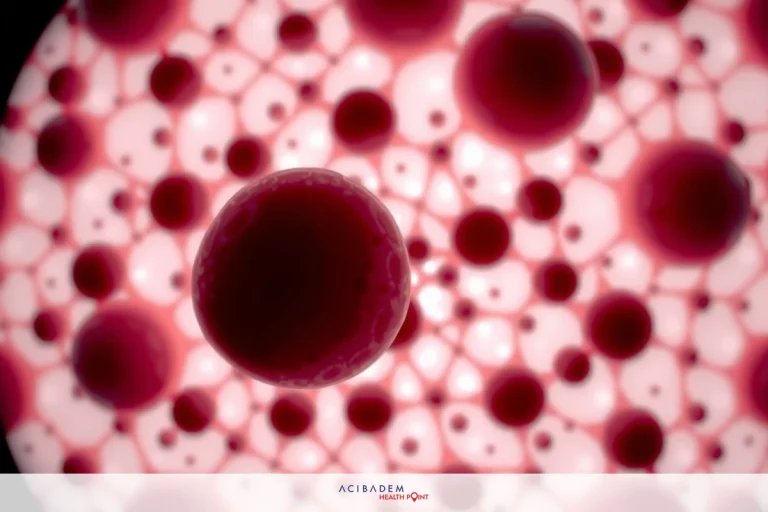
Gross Features of Chordoma
Gross Features of Chordoma Chordoma is a gradually developing tumor along the spine, from the skull base to the tailbone. Recognizing its distinctive appearance, size, and location is crucial for early detection of this bone cancer.
Doctors rely on these characteristics to distinguish chordoma from other spinal tumors. Recognizing its distinctive features aids in determining the tumor’s size and type, facilitating accurate diagnosis and surgical planning.
Examining the tumor’s size and appearance aids in optimizing treatment, leading to more effective outcomes and better patient prognosis.
Overview of Chordoma
Chordoma is a rare tumor originating from residual notochord tissue, typically occurring in the spine or skull base. Understanding this tumor is important for clinicians and researchers due to its rarity and challenging locations.
Chordomas primarily occur in adults, with men being more commonly affected. Their exact cause is unknown, though genetics may play a role. Diagnosing chordoma can be challenging and requires specialized attention, as it is a rare cancer. Since it significantly impacts patients, understanding and effective treatment are essential.
Overview of Chordoma’s Gross Pathology
Examining the gross pathology of chordoma provides valuable insights into this rare cancer. Its appearance, texture, and location help clinicians improve diagnosis and understanding.
Appearance and Texture
A chordoma typically appears as a bumpy mass with varying textures—sometimes firm, other times soft. Recognizing this combination of textures is important for doctors in identifying the tumor.
‘Position and Dimensions’
Chordomas typically develop along the spine, often in specific regions. They vary in size and can obstruct vital structures, making early detection crucial for effective treatment planning.
Comparison with Other Types of Tumors
Understanding how chordomas differ from other spine and bone tumors is crucial, as they have distinct growth and spread patterns. This knowledge enables doctors to develop more effective treatment strategies.
Typical Signs of Chordoma
Symptoms of chordoma differ based on tumor size and location. Recognizing these signs early is crucial for prompt diagnosis and treatment.
Neurological Symptoms
Neurological symptoms, such as numbness, weakness, or paralysis, often indicate a chordoma. These occur when the tumor compresses the spinal cord or brainstem.
Pain and discomfort
Pain is a significant concern for chordoma patients, as the tumor compresses surrounding tissues, leading to discomfort mainly in the lower back and neck. Management typically involves medication and physical therapy.
Additional Physical Signs
Chordoma may present additional symptoms, such as a visible swelling at the tumor site or movement difficulties. The impact of these symptoms varies depending on the tumor’s size and location.
Methods for Diagnosing Chordoma
Diagnosing chordoma involves imaging and diagnostic tests. MRI and CT scans are essential for visualizing the tumor and assessing its impact on surrounding bones and tissues, aiding in initial diagnosis and surgical planning.
A biopsy is essential to confirm a chordoma diagnosis by collecting tissue samples from the affected area. Pathologists examine these samples to identify chordoma cells, ensuring accurate identification and differentiation from other conditions.
Here are the primary methods we employ for imaging and diagnosing chordoma:
| Technique | Purpose | Advantages |
|---|---|---|
| MRI | Detailed tumor visualization, soft tissue evaluation | Superior soft tissue contrast, non-invasive |
| CT Scan | Bone involvement assessment, spatial resolution | High resolution, useful for surgical planning |
| Biopsy | Definitive diagnosis through histological analysis | Direct tissue examination, accurate cell identification |
Combining these approaches provides a comprehensive understanding of the chordoma, which is essential for effective treatment planning and management.
Treatment Strategies for Chordoma
Treatment for chordoma depends on the tumor’s location, size, and the patient’s overall health. Understanding available options is essential for effective care.
Surgical Procedures
Surgical excision is the primary treatment for chordoma.
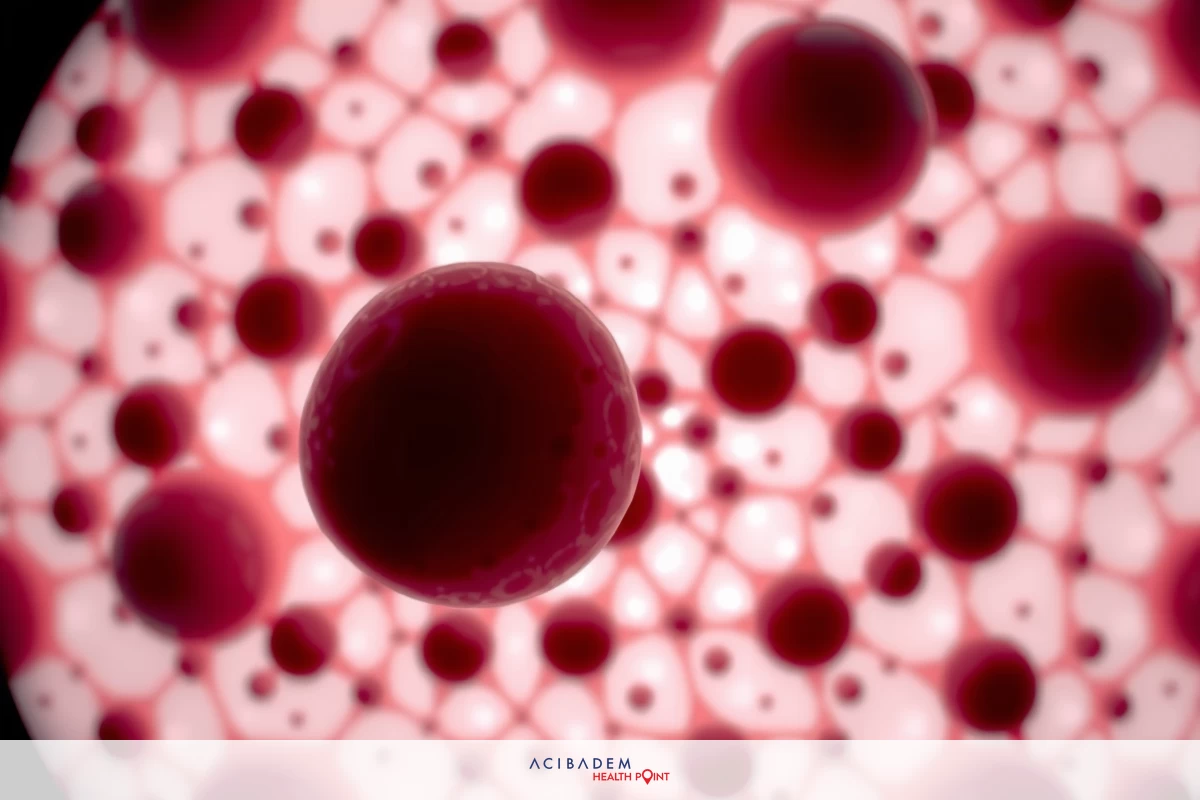
Skilled surgeons aim to completely remove the tumor while preserving surrounding tissues.
Radiation Therapy
If complete tumor removal isn’t feasible or some cancer cells remain post-surgery, radiation therapy is employed. Advanced techniques like proton beam therapy effectively target cancer cells while sparing healthy tissue, which is crucial since chordomas are located near vital body structures.
Precision Medication Approach
Researchers are testing new treatments for chordoma that focus on disrupting the tumor’s growth and spread. These efforts aim to find effective drugs for difficult cases.
| Treatment Option | Advantages | Challenges |
|---|---|---|
| Surgical Interventions | Potential for complete tumor removal | Complex and risky due to tumor location |
| Radiation Therapy | Effective for residual tumor cells, non-invasive | Possible side effects to surrounding tissues |
| Targeted Drug Therapy | Offers new treatment avenues, molecular specificity | Still under research, variable effectiveness |
Prognosis and Survival Rates for Chordoma
Survival chances for chordoma vary based on factors like tumor location, size, and whether complete surgical removal is possible. Understanding these aspects helps predict outcomes and guide treatment.
Early detection of chordoma is crucial for improving survival rates. When identified promptly, surgery and additional therapies are more effective, increasing the likelihood of successfully removing the tumor.
Key statistics on chordoma survival rates include:
| Variable | Impact on Survival Rate |
|---|---|
| Tumor Location | Chordomas at the base of the skull tend to have better survival rates compared to those located in the sacrum. |
| Tumor Size | Smaller tumors generally correlate with higher survival rates due to easier resectability. |
| Complete Surgical Resection | Patients who undergo complete surgical resection have better prognosis expectations and improved treatment outcomes . |
Emerging treatments such as proton beam therapy and targeted drugs are improving chordoma management, highlighting the importance of continued research and early intervention.
Chordoma survival rates vary widely, but early detection combined with surgery and advanced treatments can significantly improve outcomes and increase survival chances.
Recent Findings on Chordoma
Progress in chordoma research has been significant. Researchers are exploring genetic markers, treatment effectiveness, and innovative therapies, enhancing our understanding and paving the way for improved treatments.
Researchers are exploring the intricate biology of chordoma and evaluating new therapies to improve its management.
Ongoing Research and Clinical Trials
Clinical trials for chordoma are essential for advancing understanding and developing new therapies. Conducted at leading medical centers, these studies evaluate the effectiveness of emerging treatments.
Research comparing targeted therapies and combination approaches has yielded promising outcomes. Patients participating in these trials gain access to cutting-edge treatments that may revolutionize chordoma management.
Key locations conducting these trials include:
- National Institute of Health (NIH)
- Mayo Clinic
- Memorial Sloan Kettering Cancer Center
Future Outlook
Future studies focus on personalized chordoma therapies tailored to an individual’s genetic profile to enhance effectiveness and reduce side effects. Additionally, researchers are seeking early indicators of chordoma to improve early detection and screening.
The aim is to enhance patient outcomes and work toward a cure. Advances in chordoma research hold promise, bringing hope to patients and medical professionals alike.
Visual and Gross Features of Chordoma
Chordomas have distinctive characteristics that set them apart from other tumors. Recognizing these features is valuable for both pathologists and surgeons.
Color and Density
Chordomas appear grayish or whitish and have a soft, gel-like texture, which aids surgeons during tumor removal.
Observing the color and density aids in identifying the tumor boundaries.


