





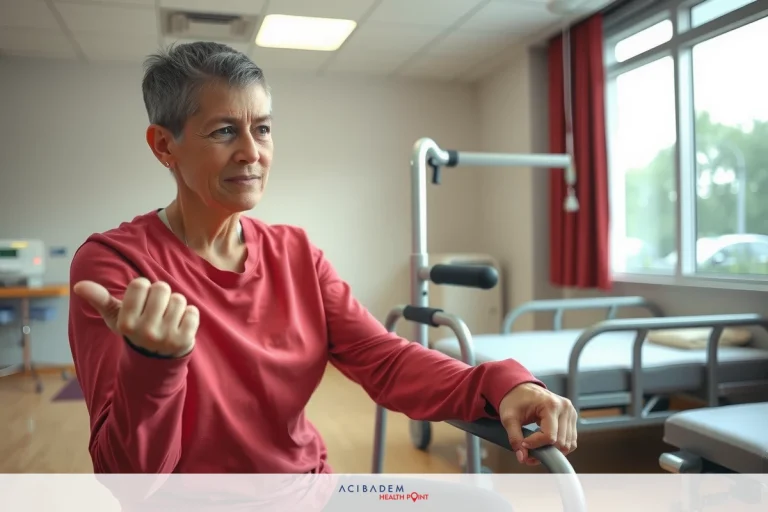
Disc Problems in the Back and Their Treatments
Disc Problems in the Back and Their Treatments Back disc problems are common and can range from mild to severe, impacting spinal function.
Herniated discs are a frequent issue that can cause significant pain and mobility difficulties. Fortunately, various treatments—both non-surgical and surgical—are available to alleviate symptoms and improve comfort.
Disc Problems in the Back and Their Treatments Maintaining a healthy spine is essential for overall well-being. Keep reading to learn more.
Comprehending Back Disc Problems
Back disc problems can significantly impact daily life, leading to pain and discomfort. Understanding the anatomy and function of spinal discs, along with recognizing symptoms and causes, is essential.
What exactly is a herniated disc?
Intervertebral discs are located between the vertebrae, functioning as shock absorbers that provide flexibility and movement to the spine. They consist of a tough outer layer and a soft core, which helps distribute pressure evenly and maintain proper spinal alignment.
Signs Typically Associated with Disc Issues in the Back
Early detection of bulging disc symptoms is important. Here are some typical indicators:
- Discomfort may be experienced in the lower back, neck, or radiating into the arms and legs.
- Weakness: You might notice increased muscle fatigue or weakness, particularly in your limbs.
- Experiencing numbness or tingling sensations in specific areas.
The symptoms’ severity and location depend on the disc issue.
| Symptom | Description |
|---|---|
| Pain | Localized pain or discomfort that can spread. |
| Weakness | Less muscle strength in certain areas. |
| Numbness/Tingling | Strange feelings in your arms or legs. |
Causes of Disc Problems in the Back
Multiple factors can cause issues with spinal discs, including:
- Degenerative Disc Disease: Aging can lead to disc wear, resulting in pain.
- Trauma: Injuries or accidents may cause discs to bulge or herniate.
- Lifestyle Factors: Poor posture, excess weight, and inactivity can increase your risk.
Disc Problems in the Back and Their Treatments Understanding these causes aids in developing prevention and treatment strategies.
Diagnosis of Disc Issues in the Back
Identifying issues with back discs is essential for treatment, and doctors employ various methods to diagnose the problem.
Physical Examination
A spinal exam is the initial step in diagnosing disc problems. The doctor assesses overall body function, looking for nerve issues, muscle weakness, or abnormal reflexes.
Patients may perform specific movements to identify their pain areas.
Imaging Procedures
MRI and CT scans are essential for diagnosing back pain. An MRI provides detailed images of soft tissues such as discs and nerves, allowing precise identification of the location and severity of disc issues.
X-rays are occasionally employed to visualize the spine’s structure clearly.
Assessment of Medical History
Doctors review your medical history to determine the causes of your back pain and track how it has evolved.
Combined with the spinal exam and tests, this information aids in developing an effective treatment plan.
This approach helps doctors accurately diagnose and effe

ctively treat back pain. Disc Problems in the Back and Their Treatments
Non-Invasive Options for Treating Disc Problems in the Back
If you prefer to avoid surgery, various alternative treatments can address back disc issues. These approaches aim to alleviate pain and promote spinal health.
Physiotherapy
Disc Problems in the Back and Their Treatments Physical therapy plays a crucial role in managing back pain without surgery by strengthening and increasing flexibility through targeted exercises. Therapists employ methods such as manual therapy and electrical stimulation to reduce pain and inflammation.
This improves your mobility and performance, offering an effective non-surgical solution for back disc issues.
Chiropractic Treatment
Chiropractic treatment offers a non-surgical option to relieve back pain. Chiropractors perform specific adjustments to realign the spine, promoting natural healing and comfort.
Regular chiropractic visits can significantly improve pain relief and mobility.
Medications
Doctors may recommend medications such as painkillers, muscle relaxants, or steroids to reduce inflammation and alleviate discomfort caused by disc issues in the back.
Consult a doctor to determine the appropriate medications for you, ensuring safe use and optimal effectiveness.
Surgical Options for Advanced Disc Disorders in the Back
Severe disc issues in the back often require surgery to reduce pain and improve mobility. We’ll explore advanced procedures such as lumbar discectomy, spinal fusion, and disc replacement.
Discectomy Procedures
Discectomy is a procedure that removes a herniated disc pressing on a nerve, primarily in the lower spine. It aims to reduce leg pain and other nerve-related symptoms, often resulting in significant relief and improved mobility.
Spinal Fusion Procedure
Spinal fusion surgery permanently connects two or more vertebrae to stabilize the spine, effectively treating conditions such as degenerative disc disease, spondylolisthesis, and scoliosis. Understanding the various types of fusion and their advantages is important. Most patients typically resume normal activities within a few months post-surgery. Disc Problems in the Back and Their Treatments
Artificial Disc Replacement
Disc replacement surgery involves inserting an artificial disc to preserve spinal mobility. Unlike spinal fusion, it maintains flexibility and reduces disc-related pain. Research indicates it often results in less discomfort and quicker recovery compared to fusion procedures.
Selecting the appropriate treatment—lumbar discectomy, spinal fusion, or disc replacement—depends on factors like your specific condition, overall health, and the surgeon’s expertise. Accurate diagnosis and consultation with a spine specialist are essential for choosing the best option for serious disc issues.
Exercises to Promote Back Disc Health
Maintaining healthy back discs is essential for overall well-being and mobility. Incorporating specific stretches and exercises into your daily routine can reduce pain and prevent future issues. This section covers spine-strengthening activities, gentle stretches, and simple movements to support your back health.
Stretching Methods
Stretching improves flexibility and alleviates tightness in the back discs. Here are some effective stretches to try:
- Cat-Camel Stretch: Improves spinal mobility and relieves tension.
- Knee-to-Chest Stretch: Relieves lower back tension and benefits disc health.
- Child’s Pose: Releases tension throughout the back and promotes relaxation.
‘Strengthening Workouts’
Strengthening exercises are essential for maintaining a healthy spine and supporting back disc health.
- Strengthens the lower back and glutes.
- Supermans: Strengthen the muscles supporting your spine.
- Plank: Engages your core muscles to stabilize your spine.
Gentle Exercises
Engaging in gentle, low-impact exercises helps maintain activity and supports heart health without straining your back. Here are some simple options:


