





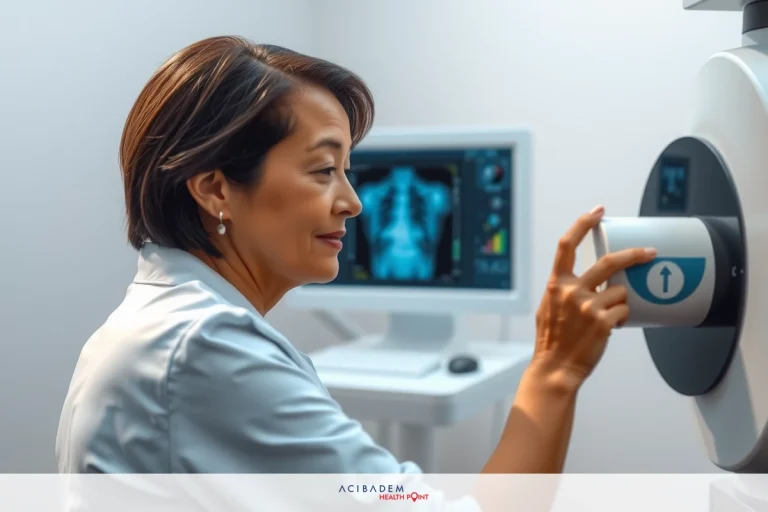
Cutting-Edge Spine Treatments – Safe and Effective Solutions
Cutting-Edge Spine Treatments – Safe and Effective Solutions Advances in modern medicine, particularly in innovative spine procedures, have significantly improved spinal health and safety. These techniques also enhance the effectiveness of treatments.
Advances in back surgery are leading to quicker recoveries and improved outcomes, offering renewed hope to individuals with severe spine issues.
Advanced spine treatments are crucial as spinal issues are increasingly common in the U.S. Improved techniques enable doctors to provide better care, helping more individuals lead healthier lives. This highlights the vital role of modern spine procedures in current healthcare.
Overview of Advanced Techniques in Spine Surgery
Cutting-edge spine procedures utilize the newest techniques and technology, providing patients with safer, more effective treatments.
What Defines an ‘Advanced’ Procedure
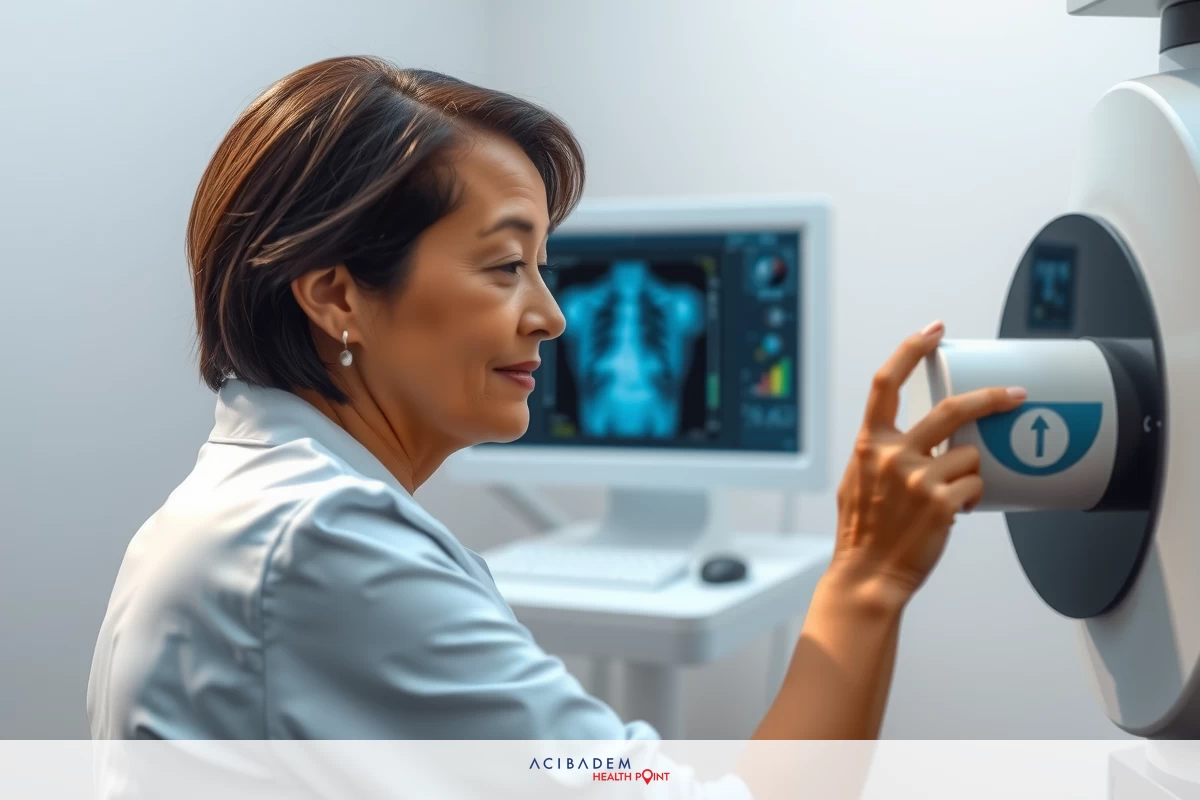
Advanced procedures incorporate the latest medical technology and techniques, such as robotic and image-guided surgeries, often minimally invasive. These methods enhance precision and promote quicker recovery.
The Significance of Providing Safe and Effective Care
Spine surgery is intricate and delicate, making safety paramount. Surgeons plan meticulously, perform the procedure carefully, and monitor patients closely afterward. The aim is to reduce pain, improve mobility, and enhance quality of life.
| Key Aspect | Advanced Techniques | Benefits |
|---|---|---|
| Robotic-Assisted Surgeries | Enhanced precision and control | Reduced surgical risks, faster recovery |
| Image-Guided Interventions | Real-time imaging | Improved accuracy in treatment |
| Minimally Invasive Approaches | Smaller incisions | Less post-operative pain, quicker return to activities |
Typical Conditions Addressed by Spine Surgeries
Spine procedures address various spinal conditions in the U.S., including degenerative disc disease, spinal stenosis, herniated discs, and scoliosis, each impacting the spine differently.
Degenerative disc disease occurs when spinal discs deteriorate, leading to persistent pain and mobility issues. Surgery is frequently required for relief.
Spinal stenosis occurs when the spaces in the spine narrow, putting pressure on nerves. This may lead to pain, numbness, or weakness in the legs, requiring specific treatments to alleviate these symptoms.
A herniated disc occurs when the soft interior of a spinal disc protrudes, pressing on nerves and causing significant pain. Modern surgical techniques can effectively treat herniated discs and improve symptoms.
Scoliosis involves an excessive sideways curvature of the spine, commonly diagnosed in children and teenagers. Severe cases typically require specialized surgical interventions to correct the curve and restore spinal function.
| Condition | Description | Symptoms |
|---|---|---|
| Degenerative Disc Disease | Wear and tear of spinal discs over time | Persistent pain, reduced mobility |
| Spinal Stenosis | Narrowing of spaces within the spine | Pain, numbness, weakness |
| Herniated Disc | Inner gel-like core of disc pushes through outer layer | Pressure on nerves, significant discomfort |
| Scoliosis | Abnormal lateral curvature of the spine | Spinal deformities, posture issues |
Contemporary spine treatments address common spinal problems using advanced techniques, providing relief and enabling patients to lead healthier, more comfortable lives.
Less invasive approaches to spine surgery
Recently, spinal treatment has shifted toward minimally invasive procedures that reduce tissue damage, promote quicker recovery, and enhance patient outcomes. This transition offers significant advantages.
Advantages of Minimally Invasive Procedures
Minimally invasive surgery offers the benefit of reduced post-operative pain compared to traditional procedures, which were more painful and had longer recovery times. These newer techniques result in less discomfort and quicker healing.
Cutting-Edge Spine Treatments – Safe and Effective Solutions Minimally invasive spinal procedures reduce infection risk due to smaller incisions that minimize internal exposure. This results in less scarring, improving appearance and decreasing the likelihood of scar tissue complications.
Popular Minimally Invasive Spine Treatments
Advancements in minimally invasive spinal procedures are evident, with endoscopic and laser spine surgeries leading the way.
Endoscopic spine surgery employs a small camera to visualize the interior of the spine, allowing surgeons to operate through minimal incisions and minimize tissue damage. It is commonly used to treat herniated discs and related spinal issues.
Cutting-Edge Spine Treatments – Safe and Effective Solutions Laser spine surgery employs a laser to precisely eliminate tissue or nerve tissue responsible for pain, mini
mizing damage to surrounding areas. It is commonly used to treat conditions such as spinal stenosis and chronic pain.
The table below compares traditional surgery with newer techniques.
| Aspect | Traditional Surgery | Minimally Invasive Surgery |
|---|---|---|
| Incision Size | 5-7 inches | 1-2 inches |
| Pain Level | High | Low to Moderate |
| Recovery Time | 3-6 months | 4-6 weeks |
| Infection Risk | Higher | Lower |
| Scarring | Significant | Minimal |
Minimally invasive methods such as endoscopic and laser spine surgeries represent significant advancements in spinal treatment, providing numerous advantages over traditional approaches.
Non-Invasive Spine Treatment Alternatives
Non-surgical spine care provides various methods to relieve pain and improve mobility. These conservative treatments enable you to stay active and maintain comfort without surgery.
Physical therapy is usually the initial approach to prevent spine surgery. Therapists utilize exercises and techniques to strengthen spinal muscles, alleviating pain and preventing future issues.
Chiropractic care offers an effective alternative, with chiropractors performing spinal adjustments to reduce pain and enhance spinal mobility. This approach can provide both immediate relief and lasting benefits.
Spinal injections, such as epidural steroid injections and nerve blocks, are options for pain relief. They target inflammation and help alleviate chronic pain caused by conditions like herniated discs.
Making lifestyle adjustments is crucial. Consistent exercise, proper ergonomics, and maintaining a healthy weight support spinal health. These simple steps can significantly help prevent and manage back issues. Cutting-Edge Spine Treatments – Safe and Effective Solutions
Here’s a table summarizing the key aspects of each non-surgical spine treatment to assist your decision-making.
| Treatment Option | Benefits | Considerations |
|---|---|---|
| Physical Therapy for Spine | Strengthens muscles, improves flexibility | Requires consistent participation |
| Chiropractic Care | Immediate relief, improved mobility | May require ongoing sessions |
| Spinal Injections | Reduces inflammation, alleviates pain | Temporary relief, potential side effects |
Exploring non-surgical options such as physical therapy, spinal injections, or other treatments can provide effective ways to manage your spine problems without surgery. Cutting-Edge Spine Treatments – Safe and Effective Solutions
Spine Procedures and Ensuring Patient Safety
Patient safety is crucial during spine surgeries. These procedures require meticulous execution and proper postoperative care. We’ll discuss key safety measures before and after surgery to ensure patient well-being.
Preoperative Safety Protocols
Effective pre-surgical planning is essential for patient safety. Patients undergo detailed imaging, such as MRI and CT scans, which assist doctors in accurately planning the procedure, minimizing risks, and improving precision.
Doctors assess the patient’s overall health through blood tests and heart evaluations. They also inform patients about what to expect during surgery, ensuring they are well-prepared and understand the procedure.
Postoperative Care and Surveillance
Post-surgery recovery is equally vital as the procedure itself. Patients are monitored closely in the recovery room, with frequent checks of their vital signs. Pain management is provided to ensure comfort and proper healing.
Doctors provide tailored recovery plans to restore movement and function, with regular check-ups to monitor progress and detect issues early.
| Aspect | Preoperative Phase | Postoperative Phase |
|---|---|---|
| Planning | MRI and CT scans, patient evaluations | Follow-up appointments, individualized rehabilitation plans |
| Patient Education | Pre-surgery counseling, procedure expectations | Pain management strategies, recovery guidelines |
| Monitoring | Health assessments, risk evaluations | Continuous vital sign tracking, progress assessments |
The Impact of Technology on Advanced Spinal Procedures
Recent advancements in spinal technology have transformed treatment approaches. Robotic spine surgery enables surgeons to perform highly precise procedures, minimizing risks associated with traditional methods. These robots assist in complex operations, enhancing patient safety and outcomes.
Advanced spine tools have improved surgical techniques, making procedures less invasive. This innovation leads to quicker recovery and reduced post-operative pain for patients. Cutting-Edge Spine Treatments – Safe and Effective Solutions


