





Correct Placement for Golfers Elbow Brace
Correct Placement for Golfers Elbow Brace Golfer’s elbow, medically known as medial epicondylitis, is a common overuse injury characterized by pain and tenderness on the inner side of the elbow. It often results from repetitive wrist and arm motions, especially in sports like golf, hence the name, but also affects tennis players, climbers, and those engaged in manual labor. Using a brace can significantly alleviate symptoms by reducing strain on the tendons, promoting healing, and preventing further injury. However, the effectiveness of a golfer’s elbow brace largely depends on its correct placement.
Proper placement of the brace is crucial to maximize its benefits. Typically, a golfer’s elbow brace is a type of forearm strap designed to exert pressure over the forearm muscles just below the elbow. This compression helps decrease strain on the tendons attaching at the medial epicondyle. To ensure optimal support, the brace should be positioned approximately 2 to 3 inches below the bony protrusion of the inner elbow. The tightness should be snug but not painful, allowing for circulation and movement without causing numbness or tingling.
Before applying the brace, it’s essential to clean the skin to remove sweat or oils that might interfere with adhesion or comfort. The brace should then be wrapped around the forearm, with the padding directly over the musculature, not on the bone itself. Adjustments might be necessary to find the right balance between support and comfort. The strap should be tight enough to restrict excessive movement that aggravates the tendons but loose enough to avoid cutting off circulation. Typically, the strap should be positioned in a way that it feels firm but not constrictive.
Many braces come with adjustable straps to fine-tune the fit. When applying the brace, ensure it does not slide up or down during activity. Proper placement also involves considering the activity involved; for example, during sports or repetitive tasks, periodically check the brace’s p
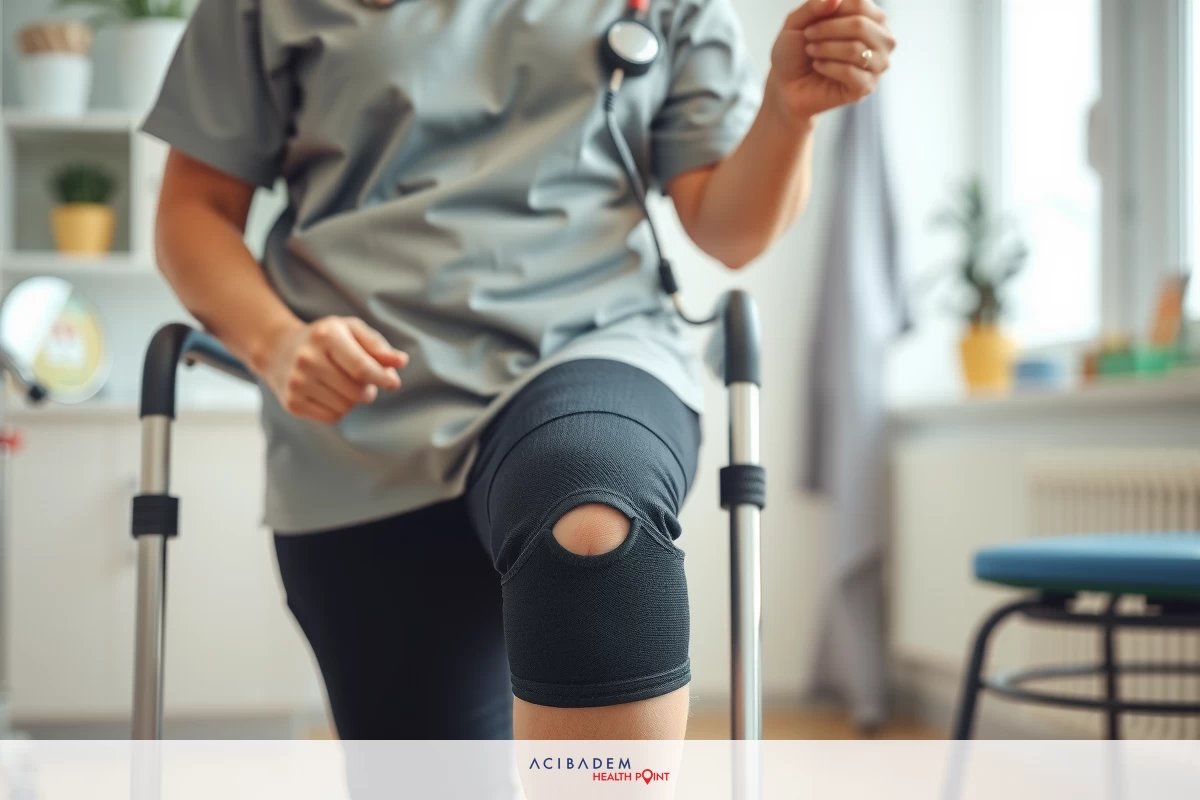
osition and tightness. Using the brace during activities that trigger discomfort or pain can provide relief and prevent further injury.
It’s worth noting that the brace is just one part of a comprehensive treatment plan. Rest, ice, stretching, strengthening exercises, and proper technique are equally important. If symptoms persist or worsen despite correct brace placement, consulting a healthcare professional is advised. They can provide personalized guidance, suggest alternative treatments, or recommend physical therapy.
In conclusion, correct placement of a golfer’s elbow brace is vital for effective symptom relief and injury prevention. The strap should be positioned comfortably below the inner elbow, over the forearm muscles, and secured with appropriate tightness. Regularly checking and adjusting the brace ensures it continues to provide the necessary support without compromising circulation or comfort. When used correctly as part of a broader treatment approach, a properly placed brace can significantly aid in recovery and return to activity.


