





The Coronal Suture in Skull Anatomy
The Coronal Suture in Skull Anatomy The coronal suture is a vital feature in human skull anatomy, serving as a key juncture that connects the frontal bone with the two parietal bones. It is one of the major sutures of the skull and plays a crucial role in both the development and structural integrity of the cranial vault. This sutural joint begins forming early in fetal life, typically around the third or fourth month of gestation, and continues to fuse gradually during childhood, usually completing fusion in early adulthood.
The coronal suture runs transversely across the top of the skull, spanning from ear to ear. Its location and shape resemble the crown of a head, which is how it derives its name—’coronal’ from the Latin ‘corona,’ meaning crown. The suture’s shape can vary slightly among individuals, but it generally appears as a curved or slightly irregular line that marks the boundary between the frontal bone anteriorly and the parietal bones posteriorly. This junction is essential during skull growth, accommodating the expanding brain and skull tissues in early life. The Coronal Suture in Skull Anatomy
The Coronal Suture in Skull Anatomy During fetal development and childhood, the sutures are flexible and contain fibrous connective tissue, allowing for skull deformation during childbirth and accommodating rapid brain growth. As a person matures, the sutural tissues gradually ossify and fuse, stabilizing the skull’s structure. In some cases, however, the fusion may be incomplete or abnormal, leading to conditions such as craniosynostosis, which can cause abnormal skull shapes and increased intracranial pressure if untreated.
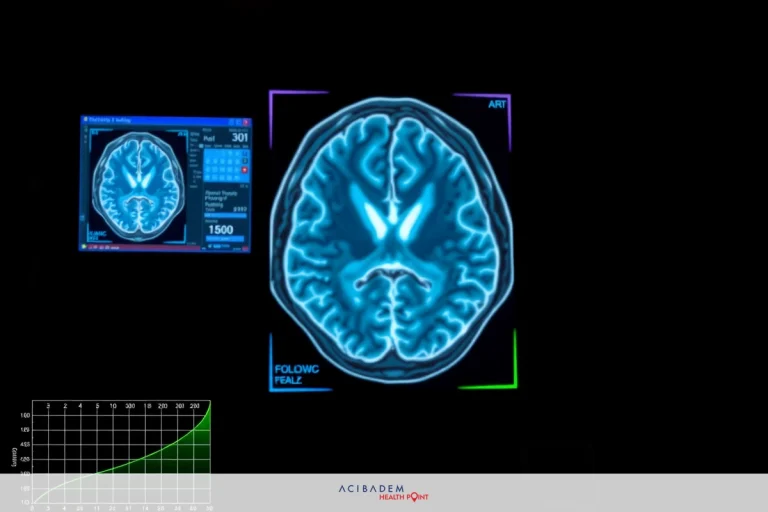
The Coronal Suture in Skull Anatomy The coronal suture also serves as an important landmark in clinical and surgical contexts. It helps surgeons identify the boundaries of various cranial regions during neurosurgical procedures and is often evaluated in imaging studies suc
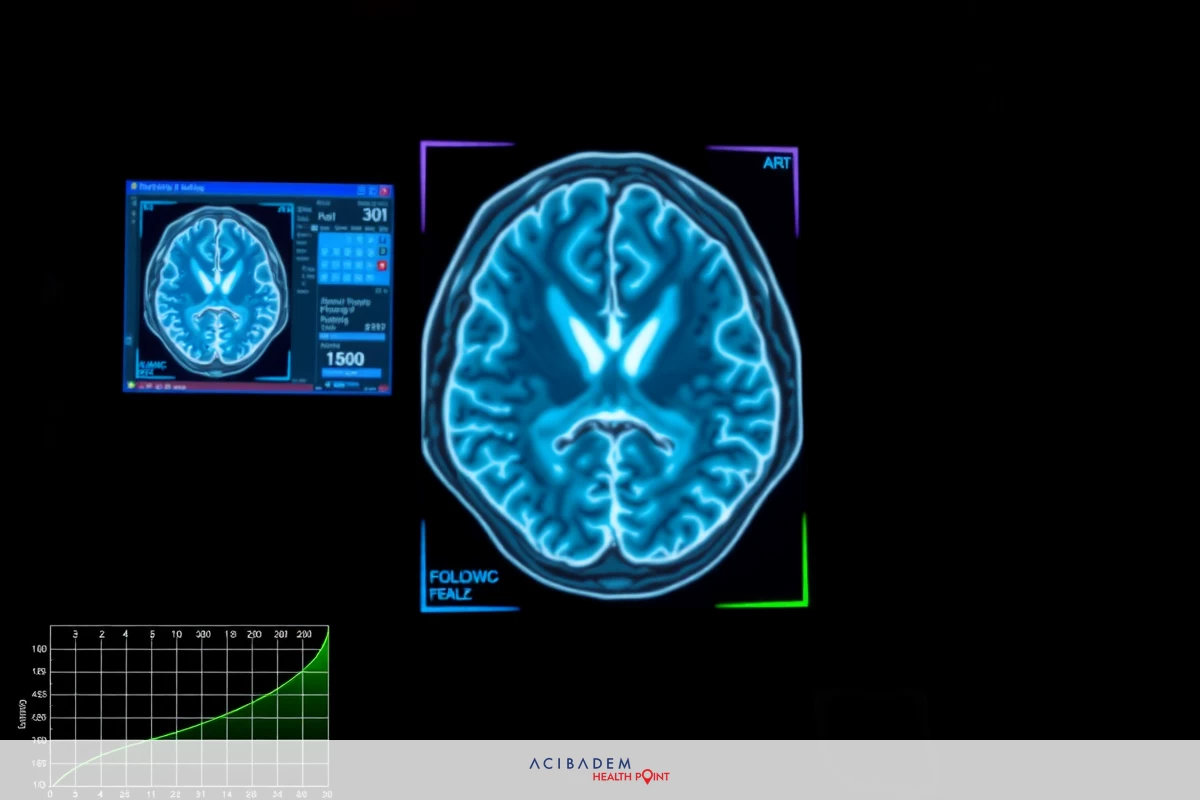
h as X-rays, CT scans, or MRIs for signs of abnormal fusion or congenital anomalies. In forensic anthropology, the state of the coronal suture can aid in estimating the age of skeletal remains, since fusion progresses predictably over time.
Anatomically, the sutural edges of the bones involved are serrated or interdigitated, which enhances stability and helps distribute mechanical stresses across the skull. The suture’s surrounding tissues include sutural ligaments and osteogenic cells that contribute to ongoing skull growth and repair. The Coronal Suture in Skull Anatomy
Understanding the coronal suture’s structure, development, and clinical significance underscores its importance not just in anatomy but also in medicine and anthropology. Its role in accommodating brain growth during childhood and its potential involvement in cranial pathologies make it a focal point for health professionals and researchers alike. As research continues, insights into sutural biology could improve treatments for cranial deformities and deepen our understanding of skull development and aging. The Coronal Suture in Skull Anatomy
In summary, the coronal suture is a fundamental component of skull anatomy that facilitates growth, provides structural stability, and serves as an important clinical landmark. Its proper development and fusion are vital for healthy skull and brain function, representing a remarkable example of the dynamic nature of human skeletal anatomy.


