





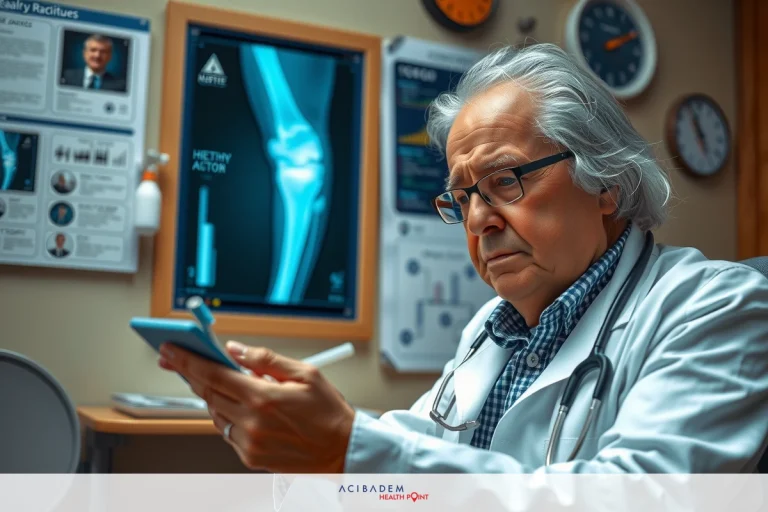
The Comprehensive Chordoma Center Treatment Guide
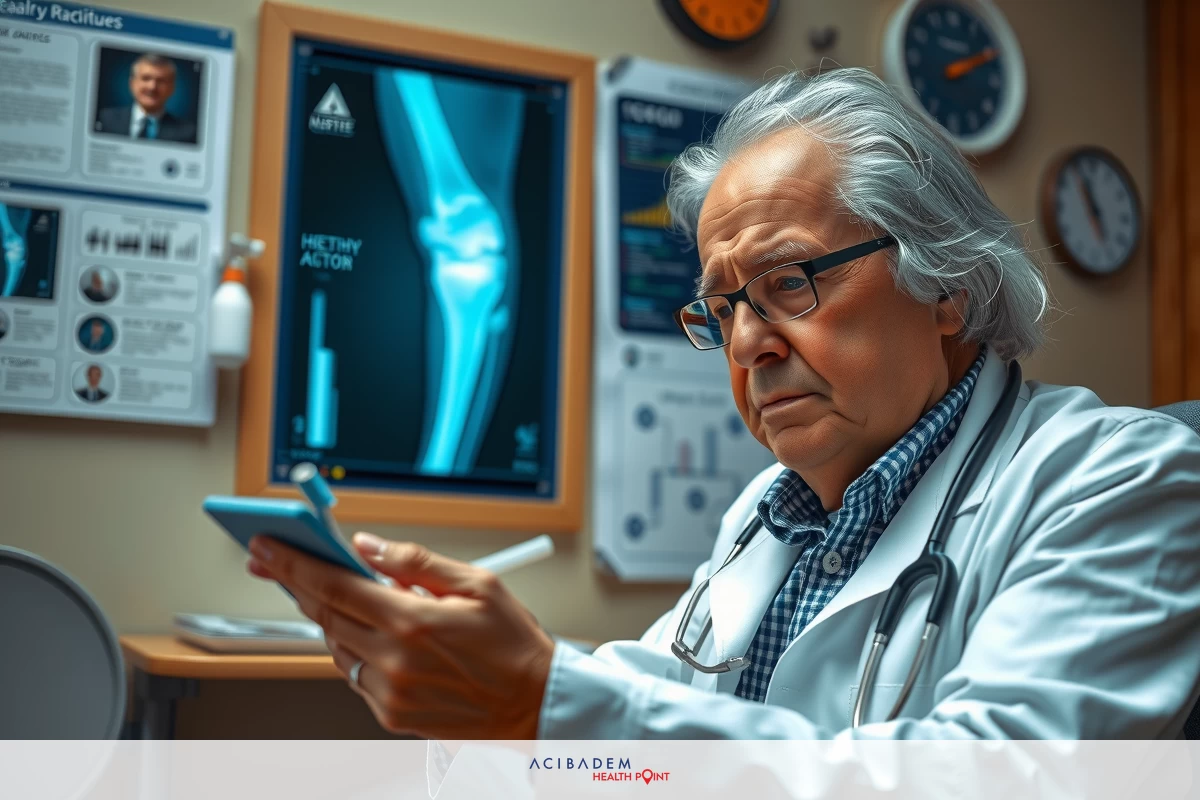
The Comprehensive Chordoma Center Treatment Guide A diagnosis of chordoma, a rare type of cancer that originates from remnants of the notochord along the spine and skull base, can be daunting for patients and their families. Fortunately, the emergence of specialized treatment centers dedicated exclusively to chordoma has significantly improved the outlook for those affected. The Comprehensive Chordoma Center Treatment Guide aims to elucidate the multidisciplinary approach essential for managing this complex disease effectively.
Chordomas are slow-growing tumors, but their location near vital structures such as the brain, spinal cord, and major blood vessels makes treatment challenging. The cornerstone of therapy has traditionally centered around surgical removal, often supplemented by radiation therapy. However, due to the tumor’s proximity to critical anatomy, complete resection may not always be feasible without risking significant neurological deficits. This underscores the importance of having a specialized team with expertise in complex skull base and spinal surgeries.
A comprehensive treatment center typically brings together neurosurgeons, orthopedic spine surgeons, radiation oncologists, medical oncologists, radiologists, and supportive care specialists. This collaborative approach ensures personalized treatment plans tailored to each patient’s specific tumor size, location, and overall health status. Preoperative imaging, including MRI and CT scans, plays a crucial role in surgical planning, helping surgeons identify the tumor boundaries and assess involvement with surrounding structures.
Surgical resection remains the primary treatment modality, aiming for complete removal of the tumor when possible. Advanced surgical techniques, such as endoscopic approaches for skull base tumors and minimally invasive spinal surgeries, have improved outcomes and reduced recovery times. When complete removal isn’t achievable, subtotal resection combined with targeted radiation therapy can control tumor growth and alleviate symptoms.
Radiation therapy, particularly high-dose proton beam therapy, has become integral in managing chordomas. Proton therapy allows for precise delivery of radiation doses to the tumor while sparing adjacent healthy tissue. This precision is especially important given the tumor’s proximity to critical neurovascular structures. Some cases
may also benefit from carbon ion therapy, which has shown promising results in controlling tumor progression.
Emerging treatments like targeted molecular therapies and clinical trials hold hope for refractory cases or tumors that are not amenable to surgery or radiation. These innovative options are often available only at specialized centers involved in cutting-edge research, emphasizing the importance of seeking care at an experienced facility.
Supportive care and rehabilitation are vital components of the treatment journey, addressing issues such as pain management, neurological deficits, and quality of life. Psychological support and counseling are also crucial, as a cancer diagnosis can be emotionally taxing.
Ultimately, the key to successful management of chordoma lies in early diagnosis, a multidisciplinary approach, and access to specialized care. Patients are encouraged to seek out centers with extensive experience in treating this rare disease, where they can benefit from the latest advances and comprehensive support systems.
Meta description: Discover the essential aspects of the comprehensive treatment approach for chordoma, including surgery, advanced radiation therapy, emerging treatments, and the importance of specialized multidisciplinary care.


