





Colloid Cyst Survivors Insights and Support
Colloid Cyst Survivors Insights and Support Colloid cysts are rare, benign fluid-filled sacs that develop in the brain, typically in the third ventricle near the foramen of Monro. While often asymptomatic, their location can lead to significant health issues if they grow or obstruct cerebrospinal fluid flow, resulting in increased intracranial pressure, headaches, nausea, and even life-threatening emergencies like sudden loss of consciousness. For individuals diagnosed with a colloid cyst, understanding their condition, treatment options, and long-term outlook is crucial for a sense of control and reassurance.
The primary treatment for symptomatic colloid cysts generally involves surgical removal or cyst drainage. Advances in neurosurgery, such as endoscopic approaches, have made procedures less invasive, reducing recovery times and minimizing risks. However, the decision to operate depends on various factors, including cyst size, growth rate, and the patient’s symptoms. Some cysts, especially if small and asymptomatic, may be monitored through regular imaging to observe any changes over time. This approach, known as “watchful waiting,” emphasizes the importance of personalized care and close medical supervision.
Recovery from surgery varies among individuals. Many colloid cyst survivors report significant relief of symptoms and an improved quality of life following successful removal. Nonetheless, some may experience transient neurological symptoms or require additional interventions if cyst recurrence occurs. The potential for recurrence underscores the importance of ongoing follow-up with healthcare professionals, typically involving periodic MRI scans to ensure the cyst remains resolved.
Living as a colloid cyst survivor extends beyond physical recovery. Emotional and psychological support play vital roles in long-term well-being. Anxiety related to the initial diagnosis, fears of recurrence, or neurological complications can be pervasive. Support groups, counsel
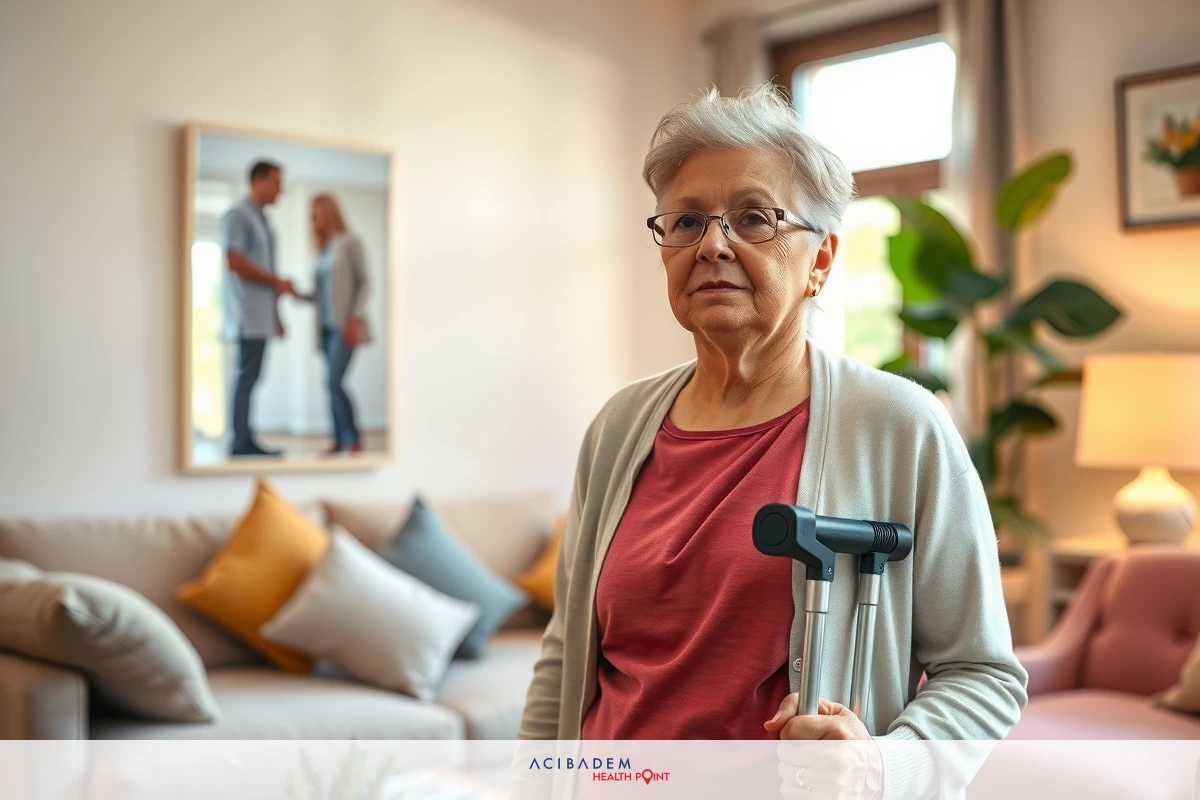
ing, and connecting with others who have undergone similar experiences can provide comfort and practical advice. Survivor stories often highlight resilience, emphasizing that many individuals return to full, active lives post-treatment.
Education about symptoms that warrant immediate medical attention—such as sudden headaches, vision changes, or neurological deficits—is also essential for survivors. Empowerment through knowledge can help individuals act promptly if new symptoms arise, potentially preventing serious complications. Moreover, maintaining a healthy lifestyle, including stress management, proper nutrition, and regular medical check-ups, contributes to overall brain health and well-being.
In summary, colloid cyst survivors benefit from a comprehensive approach that combines medical follow-up, emotional support, and lifestyle adjustments. Advances in surgical techniques have significantly improved outcomes, enabling most patients to lead normal lives after treatment. However, ongoing vigilance and community support remain essential elements of long-term care, helping survivors navigate their journey with confidence and hope.


