





Chordoma Brain Tumor: Causes, Symptoms, and Treatment Options
Chordoma Brain Tumor: Causes, Symptoms, and Treatment Options Chordoma is an uncommon cancer originating from embryonic remnants, typically developing in the spine or skull base. Its proximity to critical brain and spinal structures makes it challenging to treat.
Understanding chordoma is essential for recognizing its symptoms, understanding its causes, and managing it effectively. Organizations such as the National Cancer Institute, Chordoma Foundation, and American Cancer Society emphasize that early detection and appropriate treatment are crucial.
Exploring Chordoma: Its Origins and Key Facts
Chordoma is a uncommon bone cancer primarily impacting the skull base and spinal vertebrae. Understanding this disease aids in diagnosis and treatment. This section covers its characteristics and anatomy, drawing from health organizations and research.
What exactly is chordoma?
A chordoma is a malignant tumor located at the skull base and spine, originating from remnants of the notochord in embryonic development. Although it grows slowly, its position can make it potentially dangerous.
Understanding the Structure of a Chordoma
Chordomas are characterized by large cells with distinct borders and a cartilage-like appearance, typically occurring in the clivus or spine. Their location complicates surgical removal and treatment, often requiring a multidisciplinary approach.
Research on chordomas reveals their origins and distinguishes them from other bone cancers. Organizations such as the World Health Organization and the National Organization for Rare Disorders are dedicated to uncovering more about these rare tumors, enabling doctors to develop improved treatments.
Causes of Chordoma Brain Tumors
Chordoma brain tumors are uncommon but significant for clinicians and researchers. Understanding their causes can lead to better treatments and potential prevention.
Genetic Influences
Research examines the role of genes in chordoma brain tumors, with mutations in genes such as the T gene potentially elevating risk. These genetic alterations may be inherited or occur randomly.
Environmental Factors
Researchers examine environmental factors like radiation and toxic chemicals that may contribute to cancer. While establishing a direct link to chordoma brain tumors is challenging, ongoing studies aim to deepen understanding.
Signs and Symptoms of a Chordoma Brain Tumor
Recognizing the symptoms of a chordoma brain tumor is crucial for early detection. This section outlines potential signs and indicates when to seek medical attention.
Physical Signs
Certain symptoms may indicate a chordoma brain tumor, such as persistent headaches that persist over time. Additional signs include:
- Chronic neck discomfort
- Trouble swallowing
- Vision changes such as blurred or double vision
- Loss of hearing or ear ringing
Neurological Symptoms
Chordoma brain tumors may lead to neurological symptoms due to their proximity to vital brain regions. Common signs include:
- Loss of sensation or strength in the limbs
- Problems with balance and coordination
- Speech and cognitive difficulties
- Seizure episodes
**Signs That You Should See a Doctor**
Seeking a neuro-oncologist promptly is essential if symptoms persist or worsen. If you notice any signs of cancer, consult a doctor immediately. Early detection and treatment are vital for effective brain tumor management.
Identifying Chordoma Brain Tumors
Diagnosing chordoma brain tumors requires thorough imaging and tissue analysis to accurately identify the tumor and determine the optimal treatment plan.
Medical Imaging Methods
Modern imaging techniques are essential for detecting chordomas. MRI provides detailed images of brain tissues, aiding diagnosis, while CT scans reveal the surrounding bone structures.
| Technique | Purpose | Advantages | Limitations |
|---|---|---|---|
| MRI Scan | Detailed brain tissue imaging | High resolution, no radiation | Longer scan time, higher cost |
| CT Scan | Bone structure assessment | Faster, good for emergency cases | Radiation exposure, lower soft tissue contrast |
Biopsy and Pathology Examination
Following imaging, a biopsy is performed to obtain tissue samples, which are examined under a microscope. This process identifies the tumor cell type and characteristics,
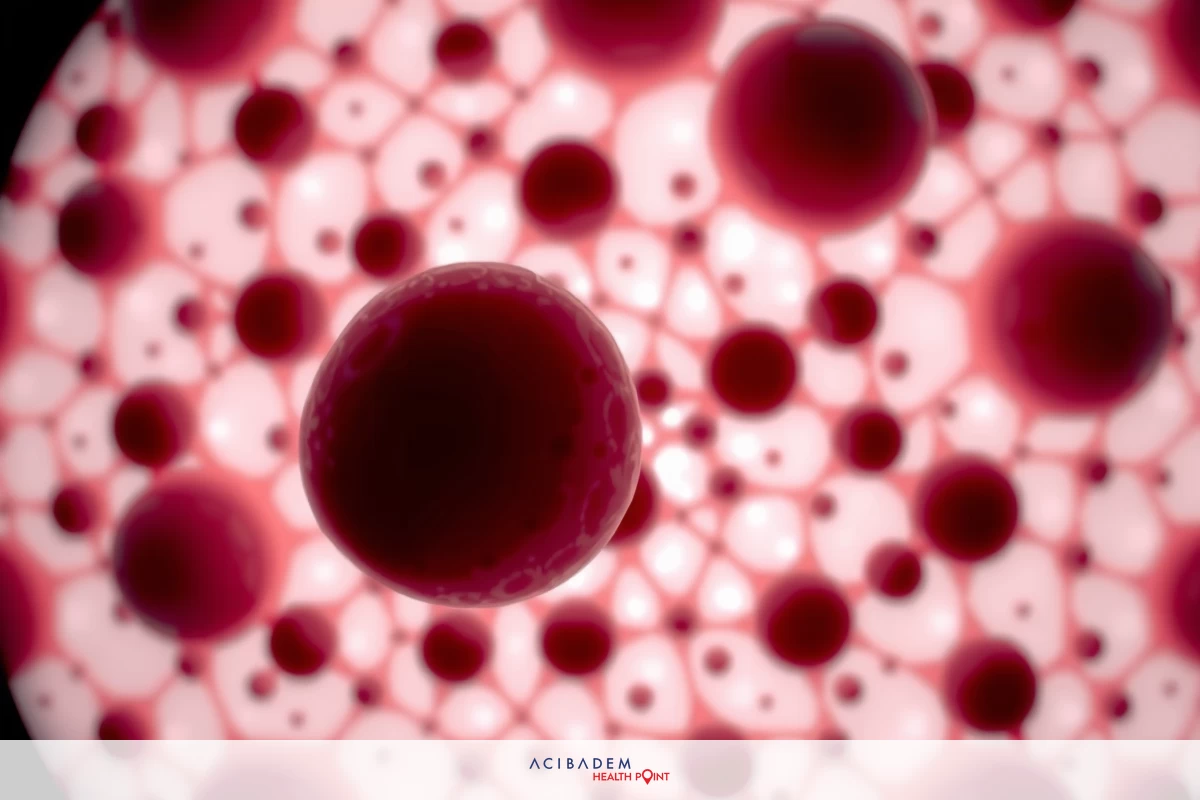
crucial for accurate diagnosis and treatment planning.
In brief, MRI, CT scans, biopsies, and thorough analysis are essential for accurately diagnosing chordoma brain tumors, enabling effective treatment planning.
Treatment Strategies for Chordoma Brain Tumors
Treating chordoma brain tumors typically involves a combination of approaches such as surgery, radiation therapy, chemotherapy, and emerging treatments. The primary aim is to reduce or eliminate the tumor while preserving the patient’s quality of life.
Surgery is usually the initial treatment for chordoma brain tumors. Precise planning and careful execution are crucial to minimize complications and maximize tumor removal. Due to their challenging location, these tumors require highly skilled surgeons.
Radiation therapy plays a crucial role in treating chordoma by targeting residual cancer cells post-surgery. Advanced techniques such as proton beam therapy focus on destroying tumors while sparing healthy tissue, helping preserve brain function.
Chemotherapy is often employed when tumors are inoperable or metastatic. Researchers continually develop new drugs and treatment combinations to improve effectiveness and minimize side effects.
Emerging treatments such as targeted therapy and immunotherapy are under investigation. These approaches harness the immune system or focus on specific cancer cell components, providing hope for more effective and gentler options.
Personalized treatment plans are tailored to each patient’s health, tumor characteristics, and preferences. The aim is to improve both longevity and quality of life. Ongoing research and clinical trials continually enhance these treatments, offering patients hope for better outcomes.
| Chordoma Treatment Options | Description | Benefits |
|---|---|---|
| Surgery | Removal of the tumor using precise, highly technical procedures | Maximizes tumor removal, reduces immediate tumor burden |
| Radiation Therapy | Use of high-energy particles or waves to destroy remaining cancer cells | Targets residual cells, minimizes damage to healthy tissues |
| Chemotherapy | Administration of drugs to kill or shrink cancer cells | Useful for inoperable tumors, can be used in combination with other therapies |
| Emerging Modalities | Includes targeted therapy and immunotherapy | Potential for more effective treatment with fewer side effects |
Progress in Chordoma Research
Research on chordoma is advancing rapidly, with recent discoveries that could soon transform cancer treatment.
Ongoing Research Projects
Organizations such as the National Institutes of Health (NIH) are at the forefront, researching the genetic and molecular aspects of chordomas. Their goal is to develop personalized treatments that are more effective and safer for patients.
Understanding Clinical Trials and Their Significance
Clinical trials are essential for bringing new treatments to market. Currently, numerous studies are evaluating innovative medicines and combinations to determine their effectiveness and safety.
They also assist in determining the appropriate medication dosage. By tailoring treatments to individuals, these trials could soon result in improved therapies.
| Research Focus | Key Findings | Implications |
|---|---|---|
| Genetic Analysis | Identification of novel biomarkers | Enhanced screening and early detection |
| Drug Development | New targeted therapies | Improved treatment efficacy |
| Clinical Trials | Assessment of new treatment protocols | Refinement of personalized medicine approaches |
Prognosis and Expected Survival Rates
Understanding the prognosis for chordoma brain tumor patients involves examining survival rates and data from cancer registries. Outcomes significantly depend on tumor size, location, and the patient’s overall health.
Recent research indicates that early detection of chordomas combined with advanced treatments improves patient outcomes and increases survival rates.
A patient’s prognosis depends on factors such as age and tumor type. Combining surgery with radiation therapy significantly improves their survival chances.
| Stage | 5-Year Survival Rate |
|---|---|
| Localized | 85% |
| Regional Spread | 60% |
| Distant Metastasis | 30% |


