





The Cauda Equina Syndrome Recovery Post-Op Guide
The Cauda Equina Syndrome Recovery Post-Op Guide Cauda Equina Syndrome (CES) is a serious medical emergency caused by compression of the nerve roots at the lower end of the spinal cord. Prompt surgical intervention, typically a decompressive laminectomy, is crucial to prevent permanent neurological deficits. Recovery post-operation can be a complex and gradual process, requiring patience, proper management, and a comprehensive understanding of what to expect.
The Cauda Equina Syndrome Recovery Post-Op Guide Immediately after surgery, patients often experience relief from severe pain, but they may also face new challenges such as numbness, weakness, or bladder and bowel dysfunction. The initial days are critical for monitoring and managing pain, preventing complications, and beginning gentle mobility exercises as advised by the healthcare team. Hospital stay typically varies depending on the severity of symptoms and the surgery’s complexity, but early mobilization is encouraged to reduce the risk of blood clots and promote circulation.
The Cauda Equina Syndrome Recovery Post-Op Guide Rehabilitation is a fundamental component of CES recovery. It involves a multidisciplinary approach, including physical therapy, occupational therapy, and sometimes psychological support. Physical therapy plays a central role in restoring strength, improving flexibility, and regaining mobility. Exercises are tailored to the individual’s condition, starting with gentle movements and progressing as tolerated. Patients are often guided through core strengthening, balance training, and stretching routines to enhance stability and prevent further injury.
The Cauda Equina Syndrome Recovery Post-Op Guide Bladder and bowel management is often a significant concern post-ces. Some patients may recover these functions fully, while others might experience ongoing issues. Pelvic floor exercises and bladder training are commonly recommended to regain control. It’s essential for patients to follow their healthcare provider’s advice and report persistent problems promptly.
The Cauda Equina Syndrome Recovery Post-Op Guide Pain management remains a key aspect during recovery. While some discomfort is normal, effective control through medication, hot/cold therapy, or alternative methods can improve quality of life. Patients should communicate openly with their medical team about their pain levels to adjust treatment plans as needed.
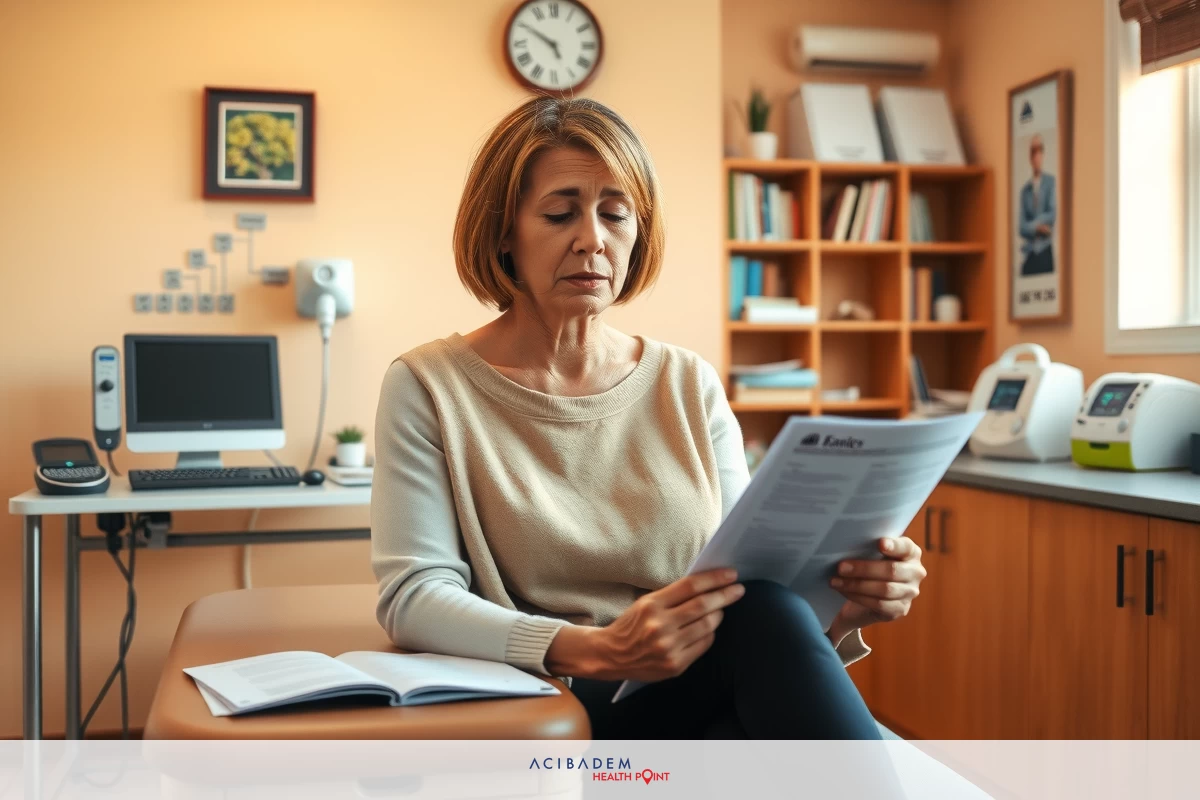
Psychological support is equally vital, as the recovery journey can be emotionally taxing. Adjusting to new limitations or dealing with the fear of permanent disability requires mental resilience. Counseling, support groups, and patient education can help individuals cope and maintain a positive outlook.
Long-term recovery varies widely among individuals, depending on the severity of nerve damage, age, overall health, and adherence to rehabilitation protocols. Regular follow-up with healthcare providers is essential to monitor progress and address any complications early. In some cases, ongoing therapies or assistive devices may be necessary to optimize function.
In conclusion, recovering from Cauda Equina Syndrome after surgery involves a combination of medical management, physical rehabilitation, psychological support, and self-care. Patience and persistent effort are crucial, and with proper guidance, many patients can regain significant function and improve their quality of life. The Cauda Equina Syndrome Recovery Post-Op Guide


