





Cardioembolic Stroke Recovery Tips and Prognosis
Cardioembolic Stroke Recovery Tips and Prognosis A cardioembolic stroke occurs when a blood clot or other debris forms in the heart and travels to the brain, blocking blood flow and causing brain damage. This type of stroke is often associated with atrial fibrillation, heart valve disease, or recent heart surgery. Recovery from a cardioembolic stroke can be challenging, but understanding the recovery process and early intervention strategies can significantly improve outcomes.
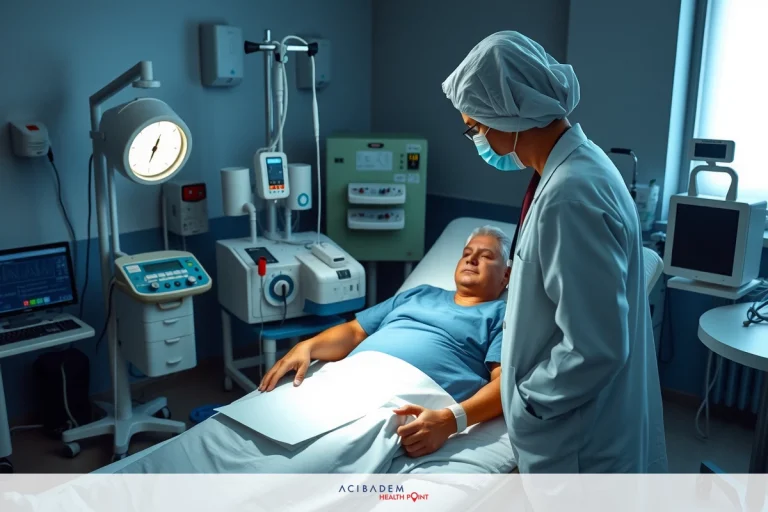
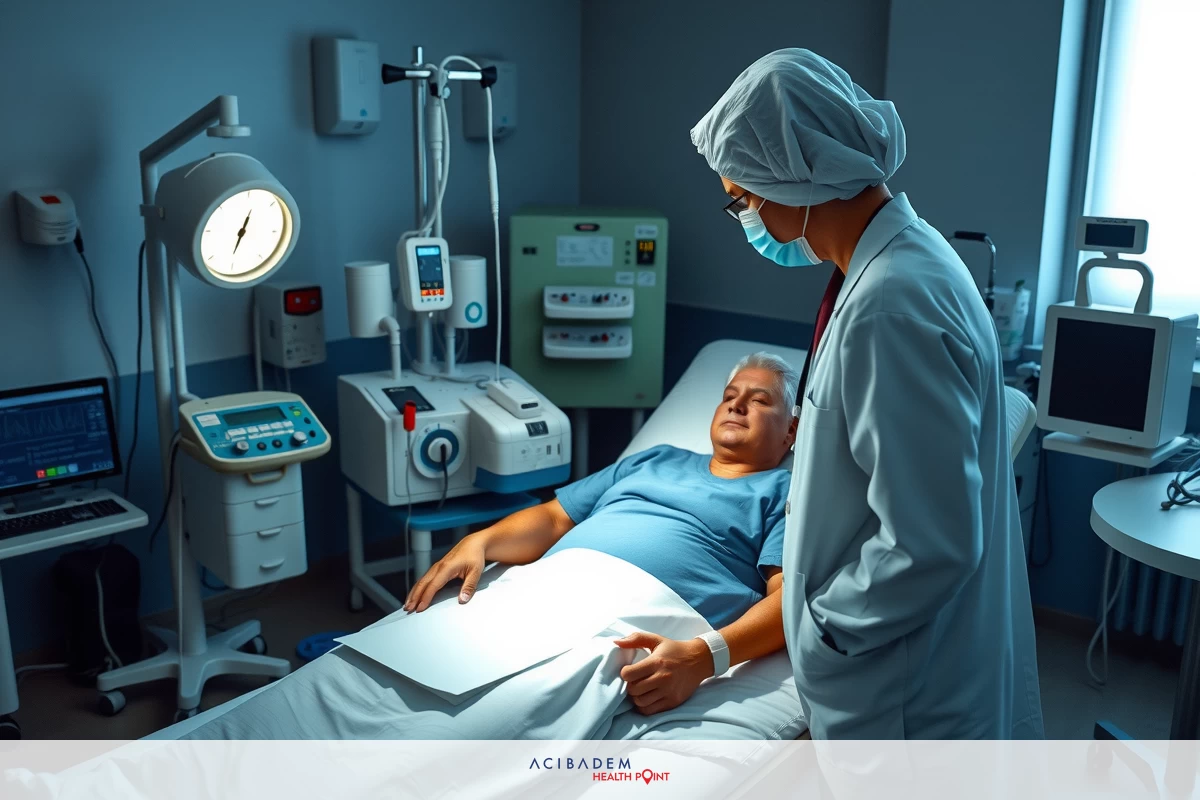
The initial phase of recovery involves intensive medical management to stabilize the patient and prevent further strokes. This includes anticoagulation therapy to reduce the risk of clot formation, blood pressure control, and managing other underlying heart conditions. Medical teams often work collaboratively to tailor treatment plans that suit each individual’s unique health profile. Cardioembolic Stroke Recovery Tips and Prognosis
As the patient progresses beyond the acute phase, rehabilitation becomes central to regaining lost functions. Physical therapy is crucial for improving mobility, strength, and coordination, especially if the stroke affected motor skills. Speech-language therapy can help patients who have difficulty speaking or swallowing, while occupational therapy focuses on enabling independence in daily activities. The goal of rehabilitation is to maximize recovery, restore as much function as possible, and help patients adapt to any remaining disabilities. Cardioembolic Stroke Recovery Tips and Prognosis
Recovery timelines vary widely among individuals, depending on factors such as the severity of the stroke, age, overall health, and the rapidity of receiving treatment. Generally, the most significant improvements are seen within the first three to six months, but ongoing therapy can continue to yield benefits well beyond this period. It’s important for patients and caregivers to have realistic expectations and to stay motivated throughout the journey.
Cardioembolic Stroke Recovery Tips and Prognosis One of the key prognostic factors for cardioembolic stroke recovery is early intervention. Prompt medical attention can limit brain damage and improve the chances of regaining independence. Regular follow-up with healthcare providers is essential to monitor for potential complications, adjust medications, and implement secon
dary prevention strategies. These include lifestyle modifications such as maintaining a healthy weight, quitting smoking, exercising regularly, and adhering to prescribed anticoagulant therapy.
Cardioembolic Stroke Recovery Tips and Prognosis Another important aspect is addressing emotional and psychological well-being. Stroke survivors often face depression, anxiety, or frustration due to changes in their abilities. Mental health support, counseling, and support groups can provide emotional stability and encouragement, which are vital for overall recovery.
While the prognosis for cardioembolic stroke varies significantly, many patients do experience substantial recovery, especially when treatment is initiated early and rehabilitation is consistent. Long-term management focuses on preventing recurrence through medication adherence, managing risk factors, and lifestyle changes. With ongoing care and support, many survivors can regain independence and enjoy a quality life post-stroke.
Cardioembolic Stroke Recovery Tips and Prognosis In conclusion, recovery from a cardioembolic stroke involves a combination of medical management, rehabilitation, and lifestyle adjustments. While the journey can be demanding, advancements in stroke care and personalized treatment plans continue to improve the outlook for many patients.


