





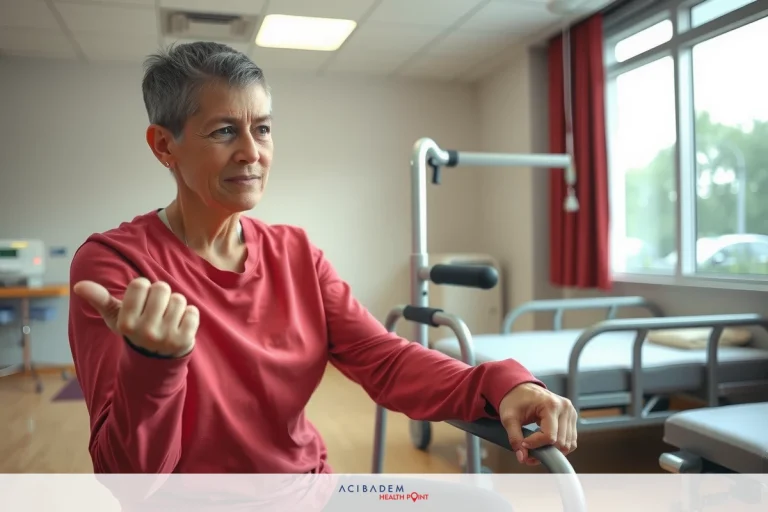
The cancer risk side effects questions
The cancer risk side effects questions The question of cancer risk as a side effect of various treatments and lifestyle factors is one that often concerns patients and healthcare providers alike. Understanding how different factors contribute to cancer risk, and what questions to ask when evaluating this risk, is vital for making informed health decisions. While no medical intervention is entirely without risk, recognizing potential long-term effects can help patients and practitioners weigh benefits against possible adverse outcomes.
Many cancer treatments, especially chemotherapy and radiation therapy, are known to have potential long-term side effects, including an increased risk of developing secondary cancers. For example, certain chemotherapy drugs can damage DNA in healthy cells, which in rare cases may lead to new malignancies years after the initial treatment. Radiation therapy, depending on the dose and area targeted, can also elevate the risk of secondary cancers in nearby tissues. This risk is often discussed in the context of the patient’s age, overall health, and the specific type of cancer being treated.
Aside from treatment-related risks, lifestyle factors also play a significant role in cancer development. Tobacco use, excessive alcohol consumption, poor diet, and lack of physical activity are well-established risk factors. Patients might ask, “How can my lifestyle choices influence my cancer risk?” Understanding these connections encourages proactive changes that can reduce overall risk. For example, quitting smoking dramatically lowers the chance of developing lung and other cancers, while maintaining a healthy weight and diet can decrease risks associated with colon, breast, and other cancers.

Genetics and family history are also critical considerations. Some individuals inherit genetic mutations that predispose them to certain types of cancer, such as BRCA mutations linked to breast and ovarian cancers. Patients should inquire about genetic testing and counseling if they have a family history of cancer. “What genetic factors could influence my risk?” is a common and important question in this context.
Monitoring and surveillance are essential for early detection, especially in individuals with increased risk factors. Regular screenings like mammograms, colonoscopies, or skin checks can identify cancers at an early, more treatable stage. Patients may ask, “What screening tests should I consider, and how often?” Ensuring clarity on recommended screening protocols can lead to better outcomes.
Questions about the side effects of cancer treatments extend beyond immediate symptoms to long-term risks. Patients often wonder, “What are the chances of developing secondary cancers?” or “How can I mitigate my risk?” Healthcare providers should be prepared to discuss these concerns transparently, highlighting that while the risk exists, it is often balanced against the potential benefits of treatment.
In summary, navigating the complex landscape of cancer risk side effects requires open communication and thorough understanding. Patients should feel empowered to ask about the risks associated with treatments, lifestyle choices, genetic factors, and screening options. By doing so, they can make informed decisions and engage in proactive measures to minimize their overall risk of developing cancer.


