





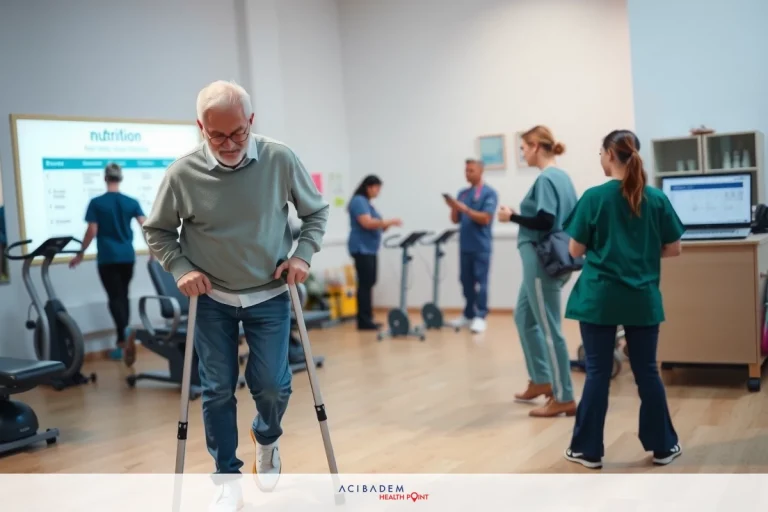
The cancer prevention treatment tips
The cancer prevention treatment tips Cancer prevention is a vital aspect of maintaining overall health and well-being. While not all cancers are preventable, a combination of lifestyle choices, early detection, and awareness can significantly reduce the risk. Adopting healthy habits is the foundation of effective cancer prevention strategies. For instance, maintaining a balanced diet rich in fruits, vegetables, and whole grains provides essential nutrients and antioxidants that bolster the immune system and combat cellular damage. Limiting processed foods, red meats, and sugary beverages can also contribute to lower cancer risk.
Physical activity is another crucial factor. Regular exercise helps maintain a healthy weight, which is important because obesity is linked to increased risks of various cancers, including breast, colon, and endometrial cancers. Engaging in at least 150 minutes of moderate exercise per week, such as brisk walking, cycling, or swimming, can make a notable difference. Avoiding tobacco use is perhaps the most impactful step in cancer prevention. Smoking is associated with lung, throat, mouth, esophageal, and many other types of cancer. Quitting smoking or never starting in the first place dramatically reduces these risks.
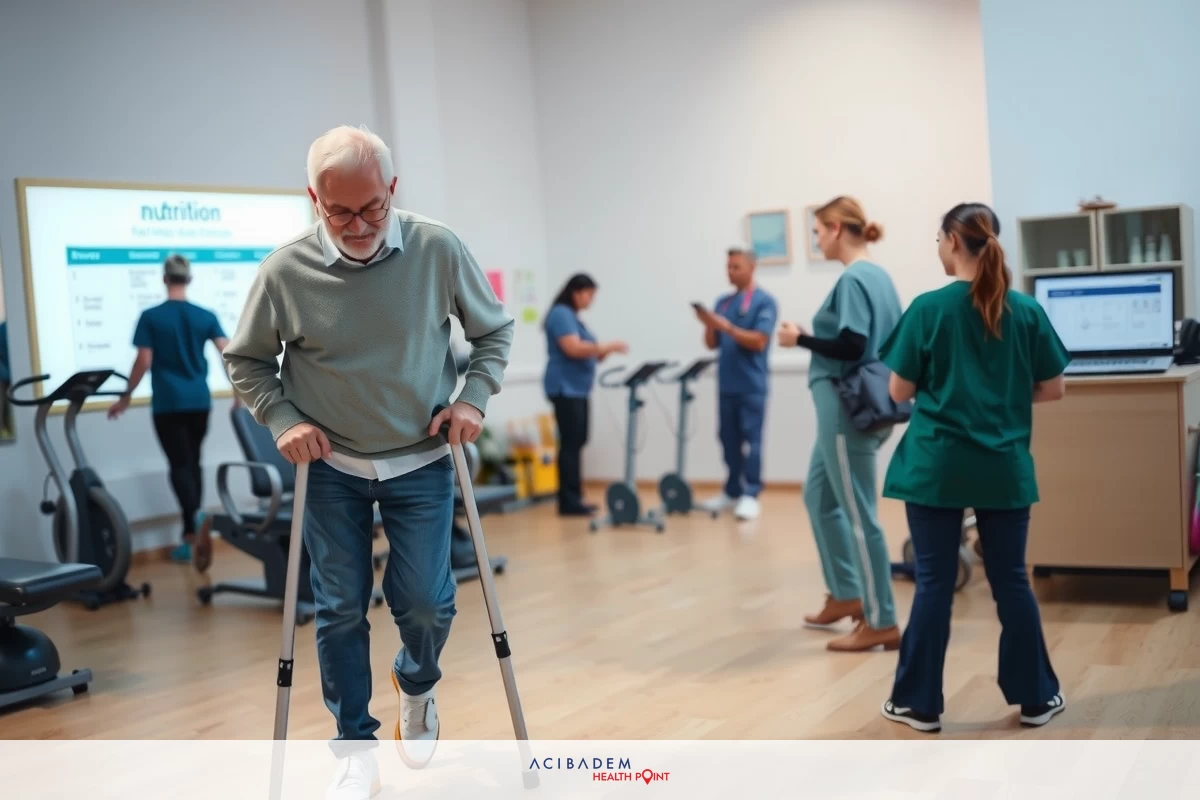
Limiting alcohol consumption is also essential. Excessive alcohol intake has been linked to several cancers, including liver, breast, and esophageal cancer. Moderation is key; for women, no more than one drink per day, and for men, no more than two, is generally recommended. Regular screenings and medical check-ups play a vital role in early detection, which can significantly improve treatment outcomes. Procedures like mammograms, Pap smears, colonoscopies, and skin checks can identify precancerous conditions or early-stage cancers before symptoms appear.
Protecting oneself from excessive sun exposure is crucial for skin cancer prevention. Using broad-spectrum sunscreen, wearing protective clothing, and avoiding peak sun hours can reduce UV damage. Additionally, being aware of environmental exposures, such as asbestos or certain chemicals, and minimizing contact can further lower risk.
Vaccinations are an often-overlooked aspect of cancer prevention. The human papillomavirus (HPV) vaccine can prevent most cervical cancers and some other HPV-related cancers, while the hepatitis B vaccine helps reduce the risk of liver cancer. Educating oneself about family health history is also important, as some cancers have genetic components. Knowing your family history allows for personalized screening plans and early intervention.
Finally, managing stress and avoiding exposure to carcinogens in the environment are additional steps that can support overall cancer prevention efforts. While these measures do not guarantee immunity, they collectively create a healthier lifestyle that diminishes the likelihood of developing cancer. Staying informed, making proactive health choices, and consulting healthcare professionals regularly are the best strategies to stay ahead in the fight against cancer.


