





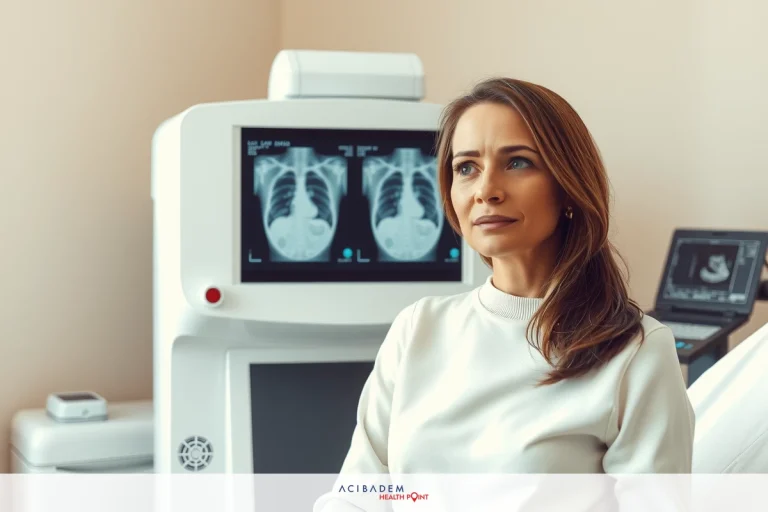
The cancer prevention screening info
The cancer prevention screening info Early detection through cancer prevention screening plays a vital role in reducing mortality rates and improving outcomes for many types of cancer. These screenings are designed to identify cancerous or pre-cancerous conditions before symptoms appear, enabling timely intervention and treatment. By understanding which screenings are appropriate and when to undergo them, individuals can take proactive steps toward safeguarding their health.
Different types of cancer screening tests target specific cancers, and recommendations often depend on age, sex, family history, and other risk factors. For example, mammograms are widely recommended for women starting at age 40 or earlier if there is a family history of breast cancer. These imaging tests help detect tumors that are too small to be felt and can significantly increase the chances of successful treatment.
Similarly, Pap smears and HPV testing are essential for cervical cancer prevention. Women are advised to begin screening around age 21 and continue at regular intervals as recommended by healthcare providers. Detecting abnormal cells early allows for intervention before they develop into invasive cancer.
Colorectal cancer screening is crucial for adults over 45 or earlier for those with risk factors like a family history or inflammatory bowel disease. Tests such as colonoscopies, stool tests, and sigmoidoscopies can identify polyps or early cancers. Colonoscopies, in particular, are considered the gold standard because they allow for both detection and removal of polyps during the same procedure.
Lung cancer screening with low-dose computed tomography (LDCT) is recommended for high-risk individuals, particularly current or former heavy smokers aged 50 to 80. This screening can identify lung tumors at an early stage, often before symptoms develop, greatly improving survival rates.

Prostate cancer screening involves measuring prostate-specific antigen (PSA) levels in men over age 50, or earlier for those with increased risk. While PSA testing has some controversy regarding overdiagnosis, discussions with healthcare providers help determine the best approach based on individual risk factors.
Skin cancer screenings, often performed visually by dermatologists or primary care doctors, are vital for detecting melanoma and other skin cancers early. Individuals should regularly examine their skin and seek professional evaluations for new or changing moles.
It’s important to note that screening recommendations can change over time as new research emerges. Not everyone needs every screening, and unnecessary tests can sometimes lead to anxiety or invasive procedures. Therefore, discussing personal risk factors and screening options with healthcare providers is essential for making informed decisions.
Prevention also encompasses lifestyle choices such as maintaining a healthy diet, exercising regularly, avoiding tobacco, limiting alcohol intake, and protecting skin from excessive sun exposure. These habits can reduce the risk of developing certain cancers and complement screening efforts.
In summary, cancer prevention screening is a proactive approach that saves lives by catching cancers early or preventing their development altogether. Staying informed about recommended screenings and maintaining regular healthcare visits are critical steps toward long-term health and well-being.


