





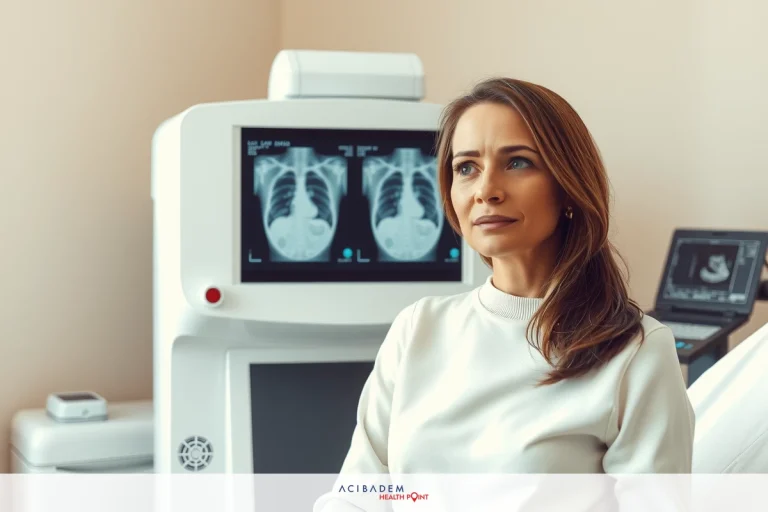
The cancer prevention screening guide
The cancer prevention screening guide Cancer prevention screening plays a vital role in early detection and reducing the risk of developing life-threatening diseases. Regular screenings can identify abnormal cells or early-stage cancers before symptoms appear, significantly improving treatment outcomes and survival rates. Understanding which screenings are necessary, how often they should be performed, and the factors influencing screening recommendations is essential for maintaining good health.
One of the most common and widely recommended screenings is for breast cancer. Mammograms are typically advised for women starting at age 40 or earlier for those with a family history or genetic predisposition. These imaging tests can detect tumors too small to be felt and help identify benign conditions from malignant ones. Women are encouraged to perform regular self-examinations and consult their healthcare providers about personalized screening schedules.
Colorectal cancer screening is another critical component of preventive health. Methods such as colonoscopy, fecal occult blood tests, or flexible sigmoidoscopy are recommended for adults starting at age 45 or earlier if there’s a family history or risk factors like inflammatory bowel disease. Colonoscopies not only detect cancer early but also allow for the removal of precancerous polyps, effectively preventing cancer development.
Lung cancer screening has become more accessible, especially for high-risk groups such as heavy smokers or those with significant exposure to carcinogens. Low-dose computed tomography (LDCT) scans are recommended annually for adults aged 55 to 80 who have a history of heavy smoking. Early detection of lung cancer through screening can dramatically increase the chances of successful treatment.
Prostate cancer screening, involving prostate-specific antigen (PSA) tests and digital rectal exams, is often discussed with men over 50 or earlier for those with risk factors like family history or African American ethnicity. The decision to undergo screening should be individualized, weighing potential benefits against risks such as false positives and overdiagnosis.

Cervical cancer screening through Pap smears and human papillomavirus (HPV) testing is vital for women aged 21 to 65. Regular screenings have led to a significant decline in cervical cancer incidence. HPV vaccination also plays a crucial role in prevention, especially when administered before exposure to the virus.
Skin cancer screenings involve visual examinations by dermatologists to identify suspicious moles or skin lesions. It’s advised for individuals with a history of sun exposure, fair skin, or numerous moles to undergo regular skin checks. Early detection of melanoma and other skin cancers can be life-saving.
While screening guidelines serve as a helpful roadmap, individual risk factors such as genetics, lifestyle, and environmental exposures must inform personalized screening plans. Maintaining a healthy lifestyle—balanced diet, regular exercise, avoiding tobacco, limiting alcohol, and protecting against UV rays—further reduces cancer risk.
In conclusion, cancer prevention screening is a proactive approach that empowers individuals to detect cancers early or prevent them altogether. Regular communication with healthcare providers ensures personalized, appropriate screening schedules and maximizes the chances of successful intervention. Staying informed and vigilant about recommended screenings can make a significant difference in lifelong health outcomes.


