





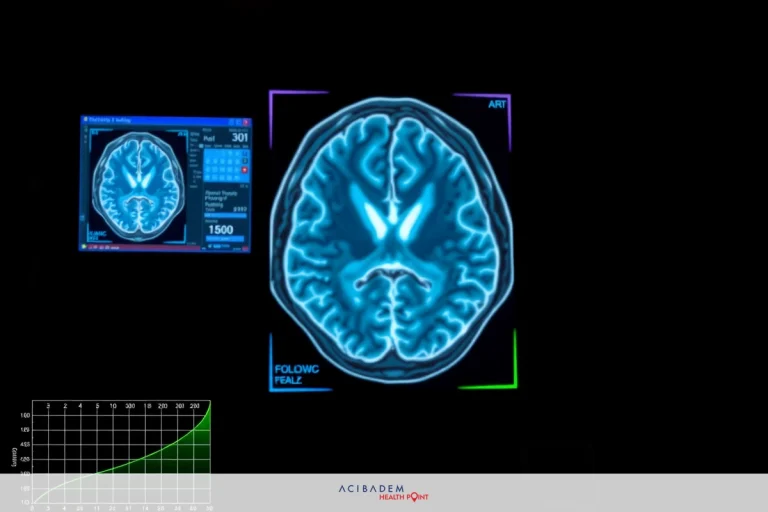
Can a chest X-ray detect esophageal cancer?
Can a chest X-ray detect esophageal cancer? Many wonder if a chest X-ray can detect esophageal cancer. Understanding their role in screening helps healthcare providers improve patient care and outcomes.
Esophageal cancer is a serious disease that benefits from early detection for successful treatment. Before assessing how well chest X-rays diagnose it, let’s review what this cancer is, its causes, risk factors, and typical detection methods.
Stay with us as we examine the advantages and limitations of using chest X-rays for routine esophageal cancer screening. We’ll discuss how they function, what signs they can reveal, and why additional tests might be necessary for a thorough diagnosis.
We will also compare chest X-rays with other diagnostic tools like endoscopy and biopsy to highlight the benefits and limitations of each method.
In summary, chest X-rays are useful for detecting esophageal cancer but have limitations. They should be complemented with additional tests for a thorough assessment. Proper integration of X-rays into the overall diagnostic process can lead to better patient outcomes.
An Overview of Esophageal Cancer
Before assessing how effective chest X-rays are in diagnosing esophageal cancer, it’s essential to understand what this cancer entails. Esophageal cancer is a malignant tumor that arises in the esophagus—the long, hollow tube linking the throat to the stomach. Although rare, it can be aggressive and difficult to treat when diagnosed at advanced stages.
Causes and Risk Factors:
While the precise cause of esophageal cancer remains unclear, various risk factors can elevate the likelihood of developing the disease, including: Can a chest X-ray detect esophageal cancer?
- Smoking tobacco
- Heavy drinking
- Persistent acid reflux or GERD
- Excess body weight
- Inadequate nutrition
- Extended contact with specific environmental pollutants
- Prior radiation therapy to the chest or upper abdominal area
- Identifying as male
- As esophageal cancer is more prevalent in people over 55, age is a significant risk factor.
Methods for Detecting Esophageal Cancer Can a chest X-ray detect esophageal cancer?
Diagnosing esophageal cancer generally requires several detection techniques, such as:
- Endoscopy: A flexible tube with a camera is inserted through the mouth into the esophagus to examine for abnormalities or collect tissue samples.
- Biopsy: Small tissue samples may be taken during endoscopy for lab testing of suspicious areas.
- Barium swallow: An X-ray procedure where the patient drinks a barium solution to highlight the esophagus for better imaging.
- Chest X-ray: Helps detect lung and chest abnormalities that may indicate esophageal cancer.
- CT scan: Uses X-rays to produce detailed cross-sectional images of the esophagus and nearby tissues, assisting in diagnosis and staging.
- PET scan: Uses a radioactive tracer to identify regions of high metabolic activity, aiding in the detection and staging of esophageal cancer.
Using a combination of detection techniques allows healthcare providers to gather a thorough assessment and accurately diagnose esophageal cancer. Since each method has its own benefits and drawbacks, the choice of tests depends on the patient’s symptoms, medical history, and risk factors.
The Importance of Chest X-Rays in Cancer Screening
Chest X-rays are essential in cancer screening for early detection of esophageal cancer. Although other diagnostic tools exist, X-rays provide a non-invasive, cost-effective
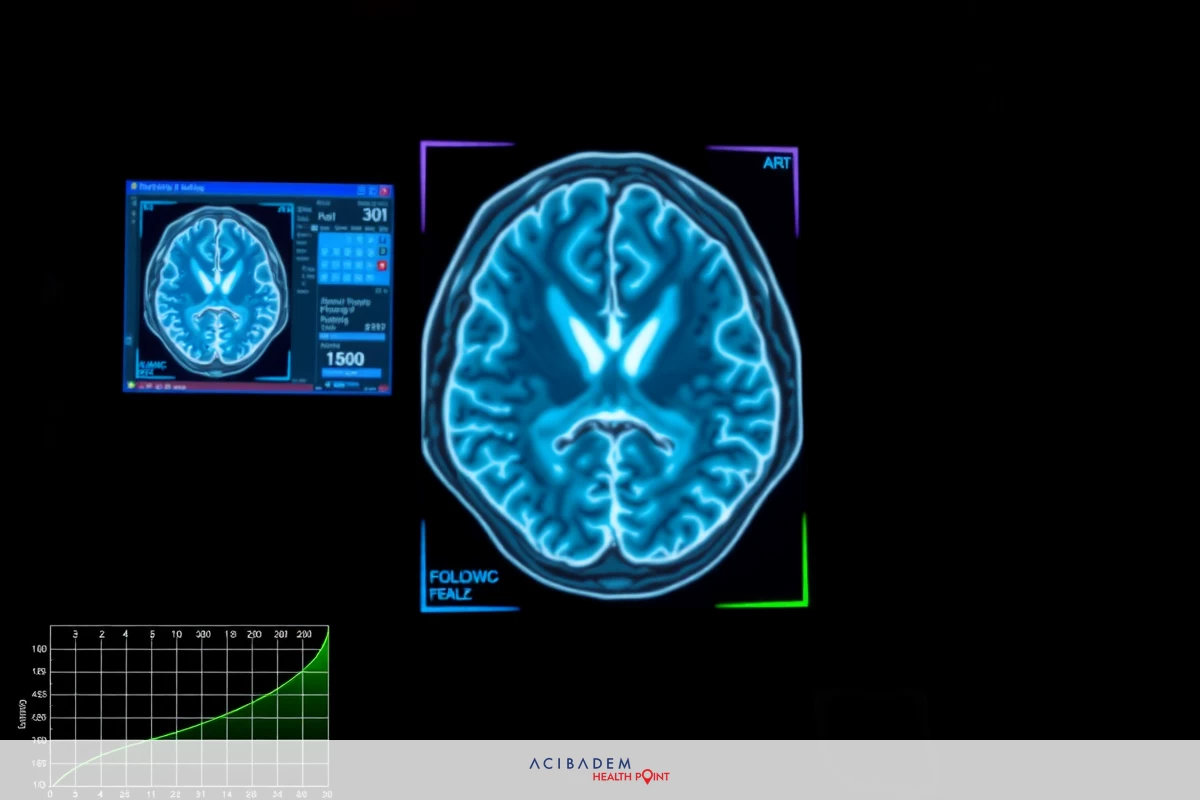
method for screening at-risk individuals. Can a chest X-ray detect esophageal cancer?
Why Are Chest X-Rays Essential for Esophageal Cancer Screening?
Chest X-rays offer important insights into the esophagus’s structure and health, serving as a key tool in cancer screening. They help healthcare providers identify abnormalities like tumors or structural changes indicative of esophageal cancer.
Early detection of esophageal cancer is vital for effective treatment and higher cure rates. Chest X-rays can reveal early signs of the disease before symptoms appear, enabling timely intervention and better patient outcomes. Can a chest X-ray detect esophageal cancer?
Advantages of Chest X-rays in Esophageal Cancer Detection
Routine chest X-rays offer several advantages for early detection of esophageal cancer:
- Non-invasive: Chest X-rays are a safe imaging method that doesn’t involve surgery or anesthesia.
- Affordable: Chest X-rays are cost-effective compared to other diagnostic techniques, enhancing their suitability for widespread screening.
- Chest X-ray machines are commonly found in healthcare settings, facilitating easier access to esophageal cancer screening.
- Rapid results: Chest X-rays deliver instant images, enabling quick analysis by healthcare providers.
Limitations of Chest X-Rays in Detecting Esophageal Cancer
Although chest X-rays offer benefits, they also come with certain limitations that need to be acknowledged.
- Limited detection: Chest X-rays might miss small or early esophageal tumors and precancerous lesions.
- False negatives occur when chest X-rays fail to detect esophageal cancer despite its presence.
- Non-specific findings: Chest X-ray results may be inconclusive and need additional tests to confirm or rule out esophageal cancer.
Although they have limitations, chest X-rays are still a vital part of esophageal cancer screening. Their ease of use, low cost, and effectiveness in identifying major issues make them an important element of a thorough screening strategy.
Understanding How Chest X-Rays Work
Challenges of Using Chest X-Rays to Detect Esophageal Cancer
Chest X-rays can help detect esophageal cancer but have limitations. While they offer initial information about the esophagus and nearby tissues, they are rarely definitive. Confirmatory tests are typically needed to diagnose and assess the disease’s extent.
Chest X-rays cannot detect early-stage esophageal cancer, as small, localized tumors often go unnoticed. Relying solely on this imaging method can result in missed or delayed diagnoses, reducing the likelihood of effective treatment. Can a chest X-ray detect esophageal cancer?
Chest X-rays have limited effectiveness in diagnosing esophageal cancer because they cannot precisely identify the tumor’s location or size. While they offer a general view of the esophagus and surrounding areas, they lack the detail needed for accurate tumor assessment, which is essential for planning treatment and predicting outcomes.
Chest X-rays may not reliably differentiate benign conditions from cancerous tumors. Non-cancerous issues like infections or inflammation can produce abnormal findings, making it difficult to determine if a lesion is malignant without additional testing. This uncertainty can lead to false positives and unnecessary worry for patients.


