





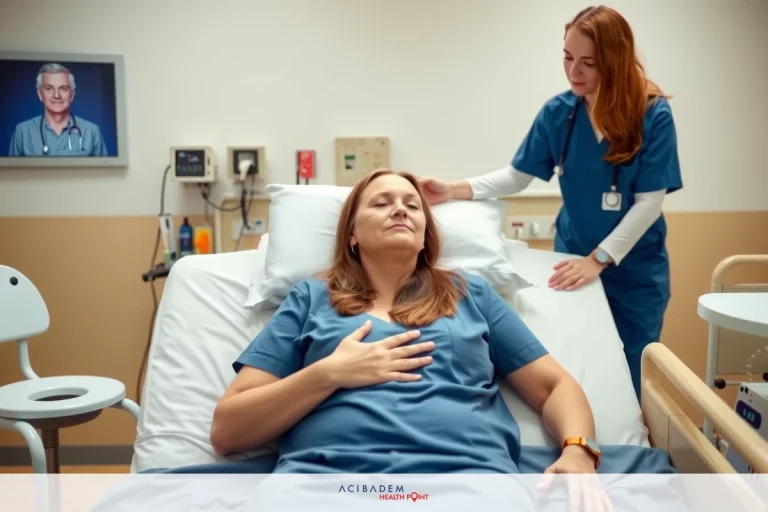
The Brachial Plexus Injury Examination Guide
The Brachial Plexus Injury Examination Guide The brachial plexus, a complex network of nerves originating from the spinal cord levels C5 through T1, is responsible for motor and sensory innervation of the shoulder, arm, and hand. Injuries to this network can result in significant functional impairment, including weakness, numbness, or paralysis of the affected limb. Proper examination of the brachial plexus is essential for accurate diagnosis, guiding treatment plans, and prognostication. This examination involves a systematic approach that combines clinical history, inspection, palpation, muscle testing, sensory assessment, and specialized nerve conduction studies.
The Brachial Plexus Injury Examination Guide The first step in evaluating a suspected brachial plexus injury involves obtaining a thorough history. Clinicians should inquire about the mechanism of injury—whether it was traumatic, such as from motor vehicle accidents or falls, or obstetric, like difficult deliveries. The onset, progression, and any associated symptoms such as pain, tingling, or weakness are vital details. Understanding the timeline helps distinguish between acute nerve trauma, which may recover spontaneously, and chronic or avulsion injuries, which might require surgical intervention.
Inspection begins with observing the affected limb for muscle wasting, deformities, or skin changes. For example, atrophy of the supraspinatus and infraspinatus muscles suggests suprascapular nerve involvement. Asymmetry between limbs, positioning deformities such as the “waiter’s tip” posture characteristic of upper brachial plexus injuries, or Horner’s syndrome in certain cases, can provide clues about the injury level and severity.
Palpation allows assessment for tenderness, swelling, or masses that might indicate nerve trauma or associated pathologies. The clinician should palpate along the cervical spine, shoulder girdle, and along the course of the brachial plexus roots and trunks for any abnormalities. The Brachial Plexus Injury Examination Guide
Muscle strength testing is central to the examination. Specific muscle groups innervated by various parts of the brachial plexus are tested systematically. For example, shoulder abduction tests the axillary nerve, elbow flexion assesses the musculocutaneous nerve, and wrist extensio
n evaluates the radial nerve. Weakness or paralysis in these muscles can pinpoint the affected nerves or roots.
Sensory examination involves testing light touch, pinprick, and temperature sensation in the dermatomes and cutaneous territories supplied by the brachial plexus branches. Sensory deficits often correlate with motor findings, helping localize the injury. For instance, diminished sensation over the lateral arm suggests musculocutaneous nerve involvement.
Specialized neurophysiological tests, such as nerve conduction studies and electromyography (EMG), are invaluable adjuncts. They help differentiate between pre-ganglionic (root avulsion) and post-ganglionic injuries, assess the severity, and monitor for nerve regeneration or ongoing denervation. Imaging modalities like MRI or CT myelography can visualize nerve roots, detect avulsions, or identify associated structures like hematomas or bony injuries. The Brachial Plexus Injury Examination Guide
The examination concludes with documenting findings and correlating clinical assessments with neurophysiological results. Early diagnosis facilitates timely intervention, which may include physical therapy, nerve grafting, or nerve transfers in cases of severe injury. Regular follow-up is necessary to evaluate recovery or progression. The Brachial Plexus Injury Examination Guide
The Brachial Plexus Injury Examination Guide In summary, a comprehensive brachial plexus injury examination combines clinical acumen with diagnostic tools. This structured approach ensures accurate localization, severity assessment, and optimal management planning, ultimately improving patient outcomes.


