





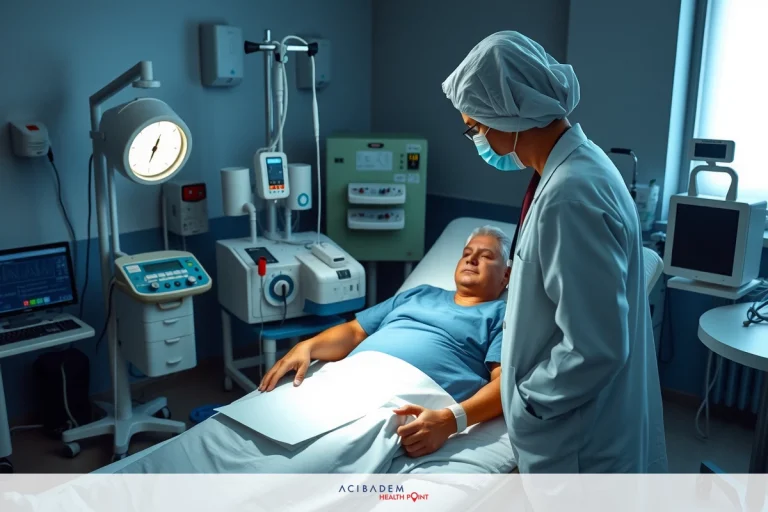
The Acquired Spondylolisthesis Causes Care
The Acquired Spondylolisthesis Causes Care Acquired spondylolisthesis is a condition characterized by the forward slipping of one vertebra over the one below it, resulting from factors that develop over time rather than being congenital or present at birth. Unlike its congenital counterpart, acquired spondylolisthesis often emerges due to degenerative changes, trauma, or other pathological processes affecting the spine’s stability and integrity.
The Acquired Spondylolisthesis Causes Care Degenerative spondylolisthesis is the most common form of acquired spondylolisthesis, particularly affecting adults over the age of 50. It develops as a result of wear and tear of the facet joints and intervertebral discs, which normally maintain the vertebrae’s alignment. As these structures degenerate, the vertebrae may become unstable and slip forward. Osteoarthritis and disc degeneration considerably weaken the support system of the spine, leading to this condition. This type of spondylolisthesis is often associated with symptoms like lower back pain, leg pain, numbness, or weakness, especially when nerves are compressed.
Trauma is another significant cause of acquired spondylolisthesis. High-impact injuries, such as car accidents, falls, or sports-related trauma, can fracture or damage the vertebral bones or supporting ligaments, disrupting the spine’s normal alignment. In such cases, the injury can lead to vertebral slippage, sometimes acutely, requiring immediate medical attention. The severity of trauma-related spondylolisthesis varies, with some cases stabilizing over time, while others may progress and cause persistent symptoms. The Acquired Spondylolisthesis Causes Care
The Acquired Spondylolisthesis Causes Care Certain spinal conditions and diseases can predispose individuals to acquired spondylolisthesis. For example, infections that weaken the vertebral bones or inflammatory diseases like rheumatoid arthritis can compromise spinal stability. Additionally, post-surgical changes or complications from previous spinal surgeries may also contribute to the development of spondylolisthesis.
Managing acquired spondylolisthesis involves a combination of conservative and surgical approaches, depending on the severity of the slip and the presence of symptoms. Initially, non-surgical treatments are preferred, especially for mild cases. These include physical therapy aimed at strengthening the core and back muscles, which can help stabilize the spine. Pain management with NSAI
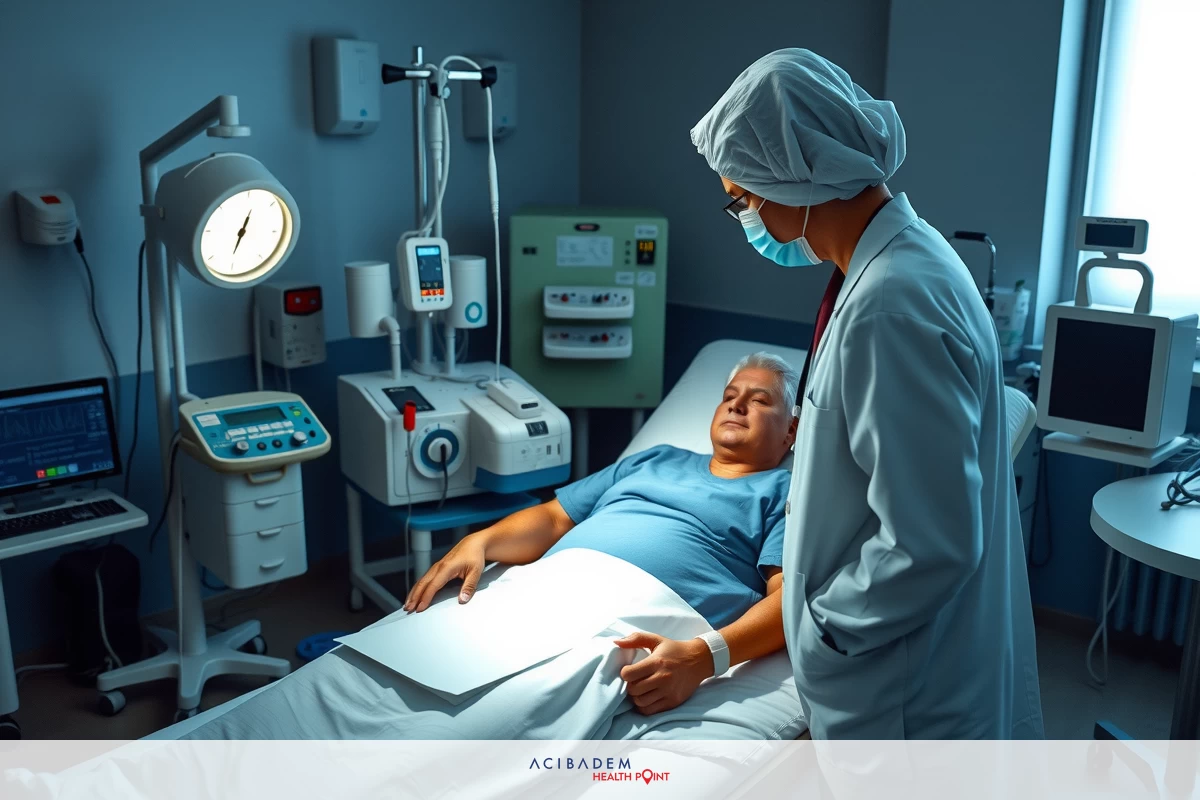
Ds, corticosteroid injections, or other medications can provide relief from discomfort. Patients are also advised to avoid activities that exacerbate symptoms and to maintain proper posture.
When conservative measures fail or if the vertebral slip is severe and causing significant nerve compression, surgical intervention might be necessary. Common surgical procedures include spinal fusion, where the affected vertebrae are fused to prevent further slipping, and decompression surgery to relieve nerve pressure. Advances in minimally invasive techniques have improved recovery times and outcomes for many patients.
The Acquired Spondylolisthesis Causes Care Preventing acquired spondylolisthesis largely involves managing risk factors like maintaining a healthy weight, engaging in appropriate physical activity, and avoiding trauma. Early diagnosis and intervention are crucial to prevent progression and to preserve spinal function.
The Acquired Spondylolisthesis Causes Care In summary, acquired spondylolisthesis results from degenerative changes, trauma, or other spinal conditions, leading to vertebral slippage with potential symptoms impacting quality of life. Through careful diagnosis and tailored treatment strategies, many individuals can experience significant relief and improved spinal stability.


