





AANS Cerebral Aneurysm – Know The Facts AANS Cerebral Aneurysm – Know The Facts
AANS Cerebral Aneurysm – Know The Facts AANS Cerebral Aneurysm – Know The Facts
Cerebral aneurysms are a critical health concern that can have devastating consequences if not identified and managed properly. These are bulges or balloonings that develop in the walls of arteries in the brain, often forming at points where the vessel wall is weakened. While some aneurysms remain asymptomatic and may go unnoticed, others can rupture, leading to a hemorrhagic stroke—a serious and potentially fatal event.
AANS Cerebral Aneurysm – Know The Facts AANS Cerebral Aneurysm – Know The Facts Understanding the causes of cerebral aneurysms is essential. Several factors contribute to their development, including genetic predisposition, high blood pressure, smoking, and certain connective tissue disorders. Age also plays a role, as aneurysms are more common in adults over 40. Additionally, trauma or head injury can sometimes lead to aneurysm formation. Despite these known risk factors, many aneurysms are discovered incidentally during imaging studies for unrelated health issues.
The symptoms of a cerebral aneurysm depend largely on whether it has ruptured. Unruptured aneurysms are often silent, producing no symptoms until they enlarge or rupture. When symptoms do occur, they can include localized headaches, vision changes, or neurological deficits—signs indicating pressure on adjacent brain structures. In contrast, a ruptured aneurysm results in a sudden, severe headache often described as the worst headache of one’s life, accompanied by nausea, vomiting, neck stiffness, and loss of consciousness. This emergency requires immediate medical attention. AANS Cerebral Aneurysm – Know The Facts AANS Cerebral Aneurysm – Know The Facts
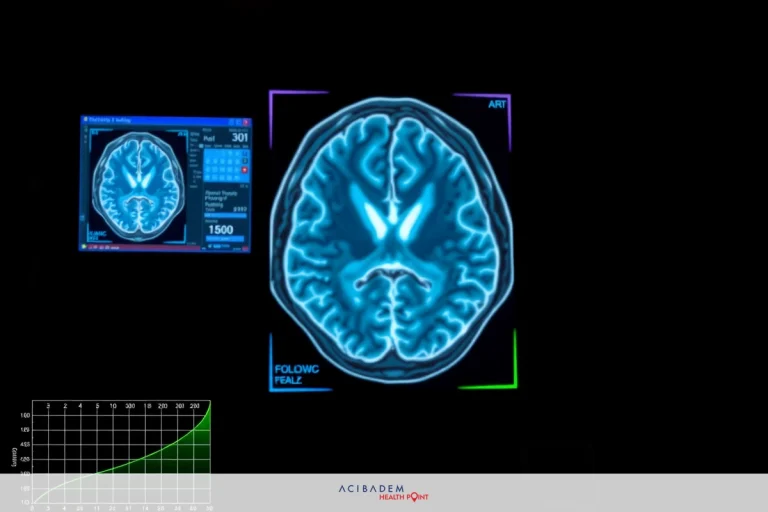
Diagnosis of cerebral aneurysms typically involves imaging techniques such as computed tomography (CT) scans, magnetic resonance imaging (MRI), or cerebral angiography. These tests help visualize the aneurysm’s size, location, and shape, which are crucial for planning treatm
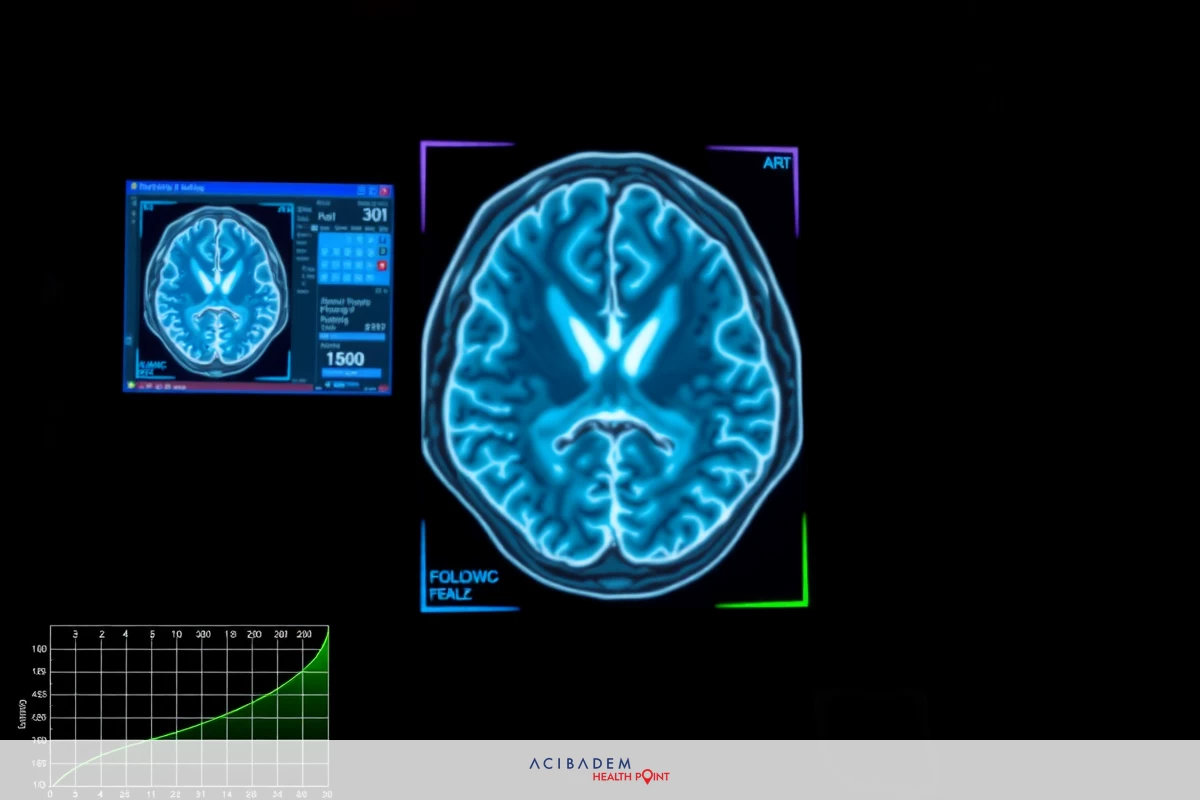
ent strategies. Screening may be recommended for individuals with a family history of aneurysms or other risk factors. AANS Cerebral Aneurysm – Know The Facts AANS Cerebral Aneurysm – Know The Facts
Treatment options for cerebral aneurysms aim to prevent rupture or re-bleeding if already ruptured. The most common interventions include surgical clipping and endovascular coiling. Surgical clipping involves a craniotomy where a neurosurgeon places a metal clip at the neck of the aneurysm to isolate it from blood circulation. Endovascular coiling, on the other hand, is a minimally invasive procedure where tiny coils are inserted through a catheter to fill the aneurysm sac, promoting clotting and preventing rupture. The choice of treatment depends on factors such as aneurysm size, location, patient health, and the risk of rupture.
Preventive measures focus on managing risk factors, such as controlling blood pressure, quitting smoking, and maintaining a healthy lifestyle. Regular medical check-ups and imaging are recommended for at-risk populations to detect aneurysms early. For individuals with known aneurysms, close monitoring and timely intervention are vital to prevent catastrophic outcomes. AANS Cerebral Aneurysm – Know The Facts AANS Cerebral Aneurysm – Know The Facts
AANS Cerebral Aneurysm – Know The Facts AANS Cerebral Aneurysm – Know The Facts While advancements in diagnosis and treatment have improved prognosis, cerebral aneurysms remain a serious condition requiring prompt medical assessment. Awareness of the risk factors, symptoms, and available treatment options can make a significant difference in outcomes. If you experience sudden, severe headaches or neurological symptoms, seeking immediate medical care can be life-saving. Protecting brain health involves a combination of lifestyle management and medical vigilance, ensuring timely intervention when necessary.


