





Mild Wheezing: Quick Help Tips for Immediate Relief
Mild wheezing is a common symptom that can indicate underlying respiratory issues. It’s often linked to allergies, asthma, or exposure to irritants. If you’re experiencing breathing difficulties, it’s important to know some quick help tips.
This article will provide strategies for immediate relief. These tips can help alleviate mild wheezing and asthma symptoms. By using these strategies, you can better manage episodes of mild wheezing and improve your breathing comfort.
Understanding Mild Wheezing
Mild wheezing can happen for many reasons. Knowing what causes it is key to managing it well. It might be due to asthma, allergies, or infections. Even things like smoke or pollution can trigger it.
What Causes Mild Wheezing?
There are many reasons for mild wheezing. Some common ones include:
- Allergies to pollen, dust mites, or pet dander
- Respiratory infections such as colds or flu
- Chronic respiratory issues like asthma or COPD
- Irritants like cigarette smoke or strong odors
Common Symptoms Associated with Mild Wheezing
People with mild wheezing often notice certain symptoms. These include:
- Shortness of breath during physical activity
- Coughing, especially at night or early morning
- A tight or constricted feeling in the chest
Spotting these symptoms can help you get the right treatment. It also helps prevent making your breathing problems worse.
Mild Wheezing – Quick Help Tips
Mild wheezing can be unsettling, but there are quick fixes. Using breathing techniques and making your environment comfortable can help a lot. Knowing how to manage your space is key, especially when it comes to things that might set off your wheezing.
Breathing Techniques for Immediate Relief
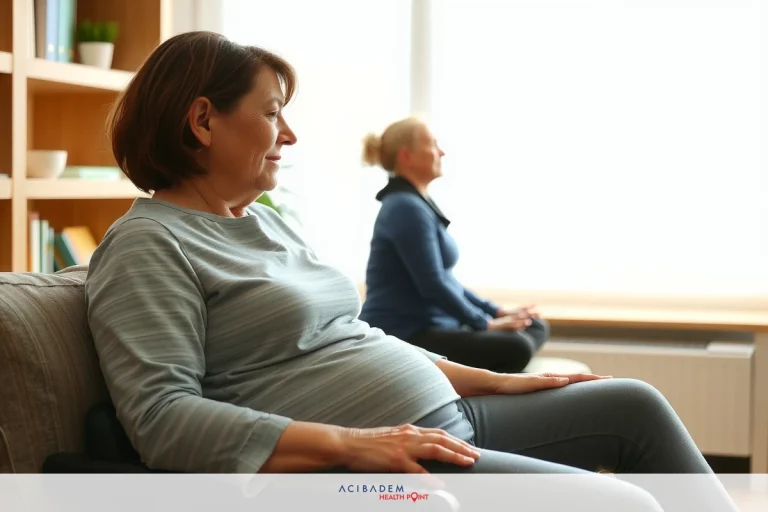
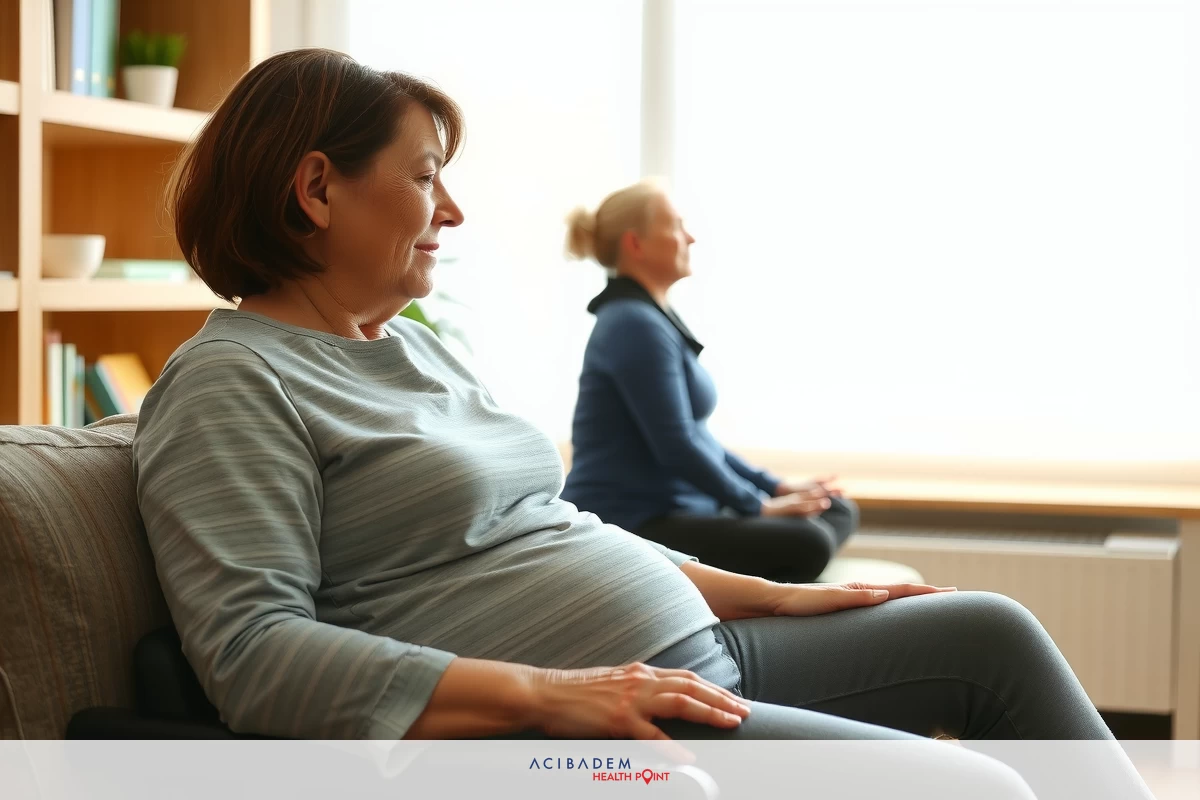
There are breathing methods that can quickly ease wheezing. Pursed lip breathing is one, where you breathe in through your nose and out slowly through pursed lips. This slows your breathing and helps you breathe better.
Another good one is diaphragmatic breathing. This means breathing deeply with your diaphragm, not just your chest. These techniques can help you breathe better and feel more comfortable during an episode.
Creating a Comfortable Environment
Where you are can affect your wheezing. Getting rid of allergens and irritants can really help. Try to avoid secondhand smoke and use air purifiers to clean the air.
Make sure your place is well-ventilated. Also, keep it dust
-free and without pet dander. This helps create a healthier space for you and can reduce wheezing.
Home Remedies to Alleviate Mild Wheezing
Mild wheezing can often be managed with simple home remedies. Several effective natural solutions are available to soothe irritation and enhance respiratory comfort. These remedies are not only easy to utilize but can be integrated into daily routines to provide ongoing relief.
Effective Natural Solutions
Steam inhalation is a beneficial approach among home remedies for wheezing. By inhaling steam from hot water, individuals can open up airways and ease breathing. Applying a warm compress to the chest can also help relieve discomfort and support relaxation.
Using a humidifier in living spaces can maintain optimal moisture levels. This further aids respiratory health.
Herbal Teas and Their Benefits
Herbal teas play an essential role in natural solutions for wheezing. For instance, ginger tea has potent anti-inflammatory properties. It can help reduce airway inflammation, providing significant respiratory relief.
Chamomile tea is known for its calming effects, which can soothe irritated airways. Consuming these herbal teas regularly may improve overall well-being and enhance respiratory health. They are excellent options for those seeking herbal teas for respiratory relief.
When to Seek Medical Attention
Knowing when to get medical help for wheezing is key to keeping your breathing healthy. Mild wheezing can often be treated at home. But, some signs mean you should see a doctor right away.
Severe wheezing is a big warning sign. It could mean a serious problem that needs quick help. If you’re having trouble breathing, especially with chest pain or tightness, take it seriously.
If home treatments don’t work, it’s time to talk to a doctor. Spotting the signs of wheezing getting worse can stop bigger problems. It’s important to act fast.
Remember, your health is the most important thing. If your symptoms get worse or don’t get better, see a doctor. Don’t wait.


