





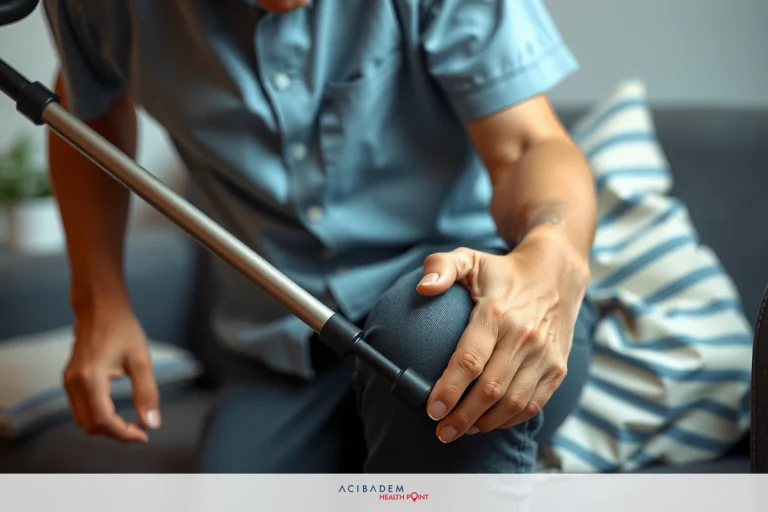
Lymphedema Red Skin: Causes, Symptoms, and Relief Options
Lymphedema Red Skin: Causes, Symptoms, and Relief Options Lymphedema is a condition where the lymphatic system doesn’t work properly. This leads to fluid buildup in the body, causing swelling. When this happens, the affected area may appear red and feel tight. This condition can also increase the risk of infection.
There are two types of lymphedema: primary and secondary. Primary lymphedema is rare, affecting about 1 in 100,000 Americans. Secondary lymphedema is more common and often results from surgery, injury, or other health issues.
While there’s no cure, treatments can help manage symptoms and improve quality of life. Managing swelling and preventing infections are key goals. Additionally, the visible effects of this condition can impact self-esteem, making emotional support important.
Understanding the causes and symptoms is the first step toward finding relief. With proper care, many people can lead active and fulfilling lives despite this condition.
What is Lymphedema Red Skin?
The lymphatic system plays a vital role in maintaining fluid balance and immune health. It transports waste, bacteria, and viruses away from tissues, while lymph nodes filter these fluids. When this system is damaged, it can lead to noticeable swelling and other complications.
Understanding the Lymphatic System
The lymphatic system is a network of vessels and nodes that work to keep the body healthy. It helps regulate fluid levels and supports the immune system by removing harmful substances. Damage to this system, whether from surgery, radiation, or infection, can disrupt its ability to function properly.
How Lymphedema Develops
Swelling often occurs when the lymphatic system is compromised. For example, lymph node removal during cancer treatment can trigger this condition. Genetic mutations, such as those seen in Milroy’s disease, can also cause primary cases. Fluid buildup in affected areas increases the risk of infection and can lead to visible changes in the body.
Lymphedema Red Skin: Causes, Symptoms, and Relief Options While swelling typically starts in the limbs, it can also affect the chest or genitals. Understanding these processes is key to managing symptoms and preventing further complications.
Causes of Lymphedema Red Skin
Several factors contribute to the development of this health issue. These causes can be divided into primary and secondary categories, each with unique triggers and risk factors.
Primary Lymphedema
Primary cases are often linked to genetic mutations. Conditions like Meige disease can impair the lymphatic system from birth. These genetic issues disrupt the normal flow of fluid, leading to swelling and other complications.
Secondary Lymphedema
Secondary cases are more common and result from external factors. Surgery, radiation, or trauma can damage the lymph nodes or vessels. For example, breast cancer survivors may develop this condition after lymph node removal. Parasitic infections can also trigger similar issues.
Common Triggers and Risk Factors
Obesity and immobility can reduce lymphatic flow, increasing the risk. Autoimmune diseases like rheumatoid arthritis may also play a role. Recurrent infections can worsen lymphatic damage over time. Age and lifestyle factors further contribute to the likelihood of developing this condition.
Symptoms of Lymphedema Red Skin
Recognizing the symptoms early can make a significant difference in managing this condition. Symptoms often progress in stages, starting with mild signs and advancing to more severe complications if untreated. Understanding these stages helps in taking timely action.
Early Signs to Watch For
In the initial stage, symptoms may be subtle. Common early signs include:
- Mild swelling in the affected area, often in the arms or legs.
- A feeling of heaviness or tightness in the limbs.
- Clothing or jewelry feeling tighter than usual.
At this stage, the swelling may come and go, making it easy to overlook. However, addressing these signs early can prevent progression.
Advanced Symptoms and Complications
As the condition advances, symptoms become more pronounced. Stage 2 is marked by pitting edema, where pressing the swollen area leaves a temporary indentation. In Stage 3, the swelling becomes permanent, and the skin may thicken or harden.
Stage 4, known as elephantiasis, involves severe swelling and changes in the skin and tissue. Advanced symptoms include:
- Hardened skin and reduced mobility in the affected area.
- Recurrent infections like cellulitis, which can cause redness, pain, and fever.
- Chronic inflammation leading to skin fibrosis or ulceration.
Untreated infections can escalate to life-threatening conditions like sepsis. Early intervention and proper care are crucial to managing these risks.
Diagnosing Lymphedema Red Skin
Accurate diagnosis is crucial for managing fluid buildup and preventing complications. Doctors use a combination of medical history, physical exams, and advanced tests to confirm the condition. Early detection helps avoid progression to more severe stages.
Medical History and Physical Examination
Doctors begin by reviewing the patient’s medical history. This includes past surgeries, infections, or family history of similar conditions. Physical exams focus on the affected area, checking for swelling, tightness, or changes in skin texture. Lymphedema Red Skin: Causes, Symptoms, and Relief Options
Circumferential limb measurements and volume displacement tests are often used. These methods help quantify the extent of swelling. Blood pressure checks may also be

performed to rule out other causes of fluid retention.
Diagnostic Tests and Imaging
Advanced imaging techniques play a key role in diagnosis. MRI scans provide detailed views of soft tissues, helping identify fluid buildup. Lymphoscintigraphy tracks the flow of lymphatic fluid, revealing blockages or damage to lymph nodes.
Doctors may also rule out other conditions like blood clots or infections. Differentiating this condition from lipedema or venous insufficiency is essential for accurate treatment.
| Test | Purpose |
|---|---|
| MRI | Detects fluid buildup in soft tissues |
| Lymphoscintigraphy | Tracks lymphatic flow and identifies blockages |
| Circumferential Measurements | Quantifies swelling in the affected area |
| Blood Pressure Check | Rules out other causes of fluid retention |
Early diagnosis is vital to prevent progression to advanced stages. Timely intervention can improve outcomes and reduce the risk of complications like chronic pain or infections.
Treatment Options for Lymphedema Red Skin
Managing fluid buildup effectively requires a combination of therapies and lifestyle changes. Treatment focuses on reducing discomfort, improving mobility, and preventing complications. Below are the most effective approaches for addressing this condition.
Decongestive Therapy
Complete decongestive therapy (CDT) is a cornerstone of treatment. It includes several components:
- Manual lymphatic drainage: A specialized massage technique to encourage fluid movement.
- Compression garments: Wearing fitted sleeves or stockings to reduce swelling.
- Exercise: Gentle movements to improve circulation and lymphatic flow.
- Skin care: Keeping the affected area clean and moisturized to prevent infections.
Working with a physical therapist ensures these techniques are applied correctly.
Surgical Interventions
For advanced cases, surgery may be necessary. Two common procedures include: Lymphedema Red Skin: Causes, Symptoms, and Relief Options
- Lymph node transfer: Healthy nodes are moved to the affected area to restore lymphatic function.
- Lymphovenous bypass: A microsurgical technique that reroutes fluid around blocked vessels.
These surgeries are typically reserved for severe stages lymphedema where other treatments have not been effective.
Lifestyle and Home Remedies
Daily habits play a crucial role in managing symptoms. Here are some practical tips:
- Elevation: Raising the affected limb above heart level to reduce swelling.
- Low-sodium diet: Reducing salt intake to minimize fluid retention.
- Pneumatic compression pumps: Devices that use air pressure to stimulate fluid movement.
Lymphedema Red Skin: Causes, Symptoms, and Relief Options Avoid long-term use of diuretics, as they can worsen the condition over time. Instead, focus on sustainable lifestyle changes.
Preventing Lymphedema Red Skin
Taking proactive steps can significantly reduce the risk of complications. Prevention focuses on maintaining skin health, improving circulation, and avoiding triggers that worsen swelling. By adopting these strategies, you can manage symptoms effectively and enhance your quality of life.
Hygiene and Skin Care Tips
Keeping the skin clean and moisturized is essential. Use a mild soap to wash the affected area daily, and pat it dry gently. Apply a fragrance-free moisturizer to prevent dryness and cracking, which can lead to infection.
Inspect your skin every day for cuts, burns, or scratches. Treat minor injuries with an antibacterial ointment to reduce the risk of complications. Wearing gloves during household chores can protect your hands from damage.
Exercise and Physical Activity
Regular exercise helps stimulate lymphatic flow and reduce swelling. Low-impact activities like swimming or yoga are excellent choices. Avoid overexertion, and focus on gentle movements that promote circulation.
Lymphedema Red Skin: Causes, Symptoms, and Relief Options If your affected arm or leg swells, elevate it above heart level after activity. This simple step can help reduce fluid buildup and improve comfort.
Protective Measures and Precautions
Avoid blood draws or injections in the affected arm to prevent further damage. Steer clear of extreme heat or cold, such as saunas or ice packs, which can worsen swelling.
Wear loose, comfortable clothing and avoid sitting or standing for long periods. These small changes can make a big difference in managing symptoms and preventing complications.
Living with Lymphedema Red Skin
Living with this condition requires adapting daily habits to maintain comfort and mobility. Emotional support groups can improve coping, while adaptive clothing options ensure comfort throughout the day. These small changes can significantly enhance your quality life.
Psychological support resources, such as counseling or peer groups, are invaluable. Therapist-guided self-massage techniques can also help manage swelling and reduce pain. Regular follow-ups with a physical therapist ensure your treatment plan stays effective.
Traveling with this condition can be easier with the right preparation. Wear compression garments and stay hydrated to minimize discomfort. These tips, combined with proactive care, help you live a fuller, more active life.


