





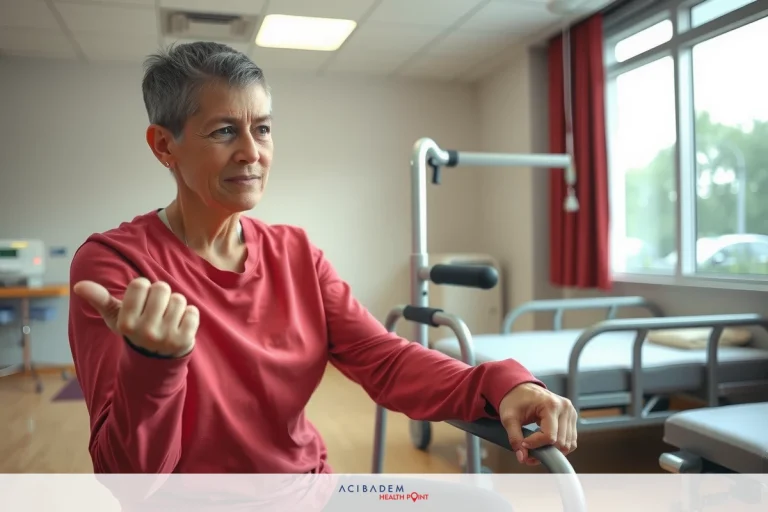
Lymphedema NHS: Symptoms, Diagnosis, and Care
Lymphedema NHS: Symptoms, Diagnosis, and Care Lymphedema is a chronic condition that causes swelling in the body’s tissues, often in the arms or legs. This happens when the lymphatic system doesn’t work properly. The lymphatic system helps remove waste and extra fluid from the body. When it’s damaged, fluid builds up, leading to discomfort and swelling.
In the UK, over 200,000 people live with this condition. It’s often linked to cancer treatments, which can harm the lymphatic system. Early diagnosis and proper care are crucial to prevent the condition from getting worse. Following guidelines from trusted sources can help manage symptoms effectively.
What Is Lymphedema?
The lymphatic system plays a vital role in maintaining fluid balance and defending against infections. It’s a network of vessels and nodes that helps remove waste and excess fluid from body tissues. When this system is damaged or doesn’t function properly, fluid can build up, leading to swelling and discomfort.
Understanding the Lymphatic System
The lymphatic system is like a drainage network for the body. It consists of vessels that carry lymph, a clear fluid containing white blood cells, throughout the body. Lymph nodes act as filters, trapping bacteria and abnormal cells. This system also helps maintain fluid balance by returning excess fluid to the bloodstream.
Without a healthy lymphatic system, the body struggles to fight infections and manage fluid levels. This can result in swelling, known as lymphedema, which often affects the arms or legs.
How Lymphedema Develops
Lymphedema can develop in two ways: primary and secondary. Primary lymphedema is caused by genetic mutations that affect the development of the lymphatic system. It’s rare and often appears at birth or later in life.
Secondary lymphedema is more common and occurs due to damage to the lymphatic system. This damage can result from cancer treatments like surgery or radiation, infections, or injuries. When lymph nodes or vessels are scarred or removed, fluid can’t flow properly, leading to swelling.
Think of the lymphatic system as a river. If a dam blocks the flow, water pools upstream. Similarly, when the lymphatic system is blocked, fluid accumulates in body tissues, causing them to swell. Lymphedema NHS: Symptoms, Diagnosis, and Care
| Type | Cause | Onset |
|---|---|---|
| Primary Lymphedema | Genetic mutations | Birth or later in life |
| Secondary Lymphedema | Damage from cancer treatment, infections, or injuries | After the event causing damage |
Common Symptoms of Lymphedema
Lymphedema NHS: Symptoms, Diagnosis, and Care Fluid buildup in certain areas can signal a problem with the lymphatic system. This condition often leads to noticeable changes in the body, affecting both appearance and function. Recognizing these symptoms early can help manage the condition more effectively.
Swelling in Limbs and Other Body Parts
One of the most common signs is swelling, usually in the arms or legs. In the early stages, the swelling may be soft and dentable, often worsening as the day progresses. Over time, it can become more persistent and noticeable, impacting movement and daily activities.
Associated Discomfort and Skin Changes
Swelling isn’t the only symptom. Changes in the skin are also common. The skin may harden, develop folds, or even show wart-like growths. In some cases, fluid leakage can occur, increasing the risk of infection. These changes can make the affected area feel heavy and uncomfortable.
Signs in the Head and Neck Area
Lesser-known symptoms include swelling in the head and neck regions. This can cause facial heaviness, throat swelling, and even difficulties with speech or swallowing. Tightness in jewelry or clothing around the neck may also be a sign. Recognizing these symptoms is crucial for proper diagnosis and care.
Causes and Risk Factors of Lymphedema
Several factors contribute to the development of fluid buildup in the body. Understanding these causes can help in managing the condition effectively and reducing the risk of complications.
Primary vs. Secondary Lymphedema
Primary lymphedema is rare and often linked to family history. It occurs due to genetic mutations that affect the lymphatic system’s development. This type can appear at birth or later in life.
Secondary lymphedema is more common and results from damage to the lymphatic system. This damage can be caused by surgery, radiation, or infections like cellulitis. Obesity and immobility can also increase the risk.
Cancer Treatment and Its Role
Cancer treatment is a leading cause of secondary lymphedema. Procedures like surgery or radiation can scar or remove lymph nodes, disrupting fluid flow. For example, about 30% of breast cancer patients develop this condition.
Other cancer types, such as melanoma, head and neck, and vulval cancers, also carry a high risk. Early monitoring and care can help reduce the impact of these treatments.
Other Contributing Factors
Non-cancer factors can also play a role. Chronic inflammation, obesity, and trauma can damage the lymphatic system. Conditions like varicose veins or deep vein thrombosis (DVT) can further complicate fluid drainage.
Recognizing these risk factors is essential for early intervention and effective management.
How Lymphedema Is Diagnosed
Lymphedema NHS: Symptoms, Diagnosis, and Care Early detection is key to managing fluid buildup effectively. If you notice persistent swelling, skin changes, or recurring infections, it’s time to consult a doctor. A timely diagnosis can help prevent complications and improve your quality of life.
When to Seek Medical Advice
Certain symptoms should prompt you to see a healthcare professional. These include asymmetrical swelling, frequent skin infections, or a feeling of heaviness in the affected area. If you’ve undergone cancer treatment or have a family history of similar conditions, be extra vigilant.
Diagnostic Methods and Tests
Diagnosis typically begins with a physical exam and a review of your medical history. Your specialist may measure the circumference of the affected limb or evaluate skin ch

anges. In complex cases, imaging tests like MRI or ultrasound might be used, though these are rare.
Monitoring for At-Risk Individuals
For those at higher risk, such as cancer survivors, regular monitoring is essential. Annual checkups can help detect issues early. Your GP may refer you to a specialist clinic or a team focused on managing fluid buildup. Support networks can also provide valuable resources and guidance.
Treatment Options for Lymphedema
Managing fluid buildup effectively requires a combination of proven therapies and lifestyle adjustments. Early intervention and consistent care can significantly improve symptoms and prevent complications. Below are some of the most effective approaches to managing this condition.
Decongestive Lymphatic Therapy (DLT)
Decongestive Lymphatic Therapy (DLT) is considered the gold standard for treating fluid buildup. This approach combines several methods to reduce swelling and improve drainage. Key components include compression bandaging, skin care, and specific exercises.
DLT also involves manual lymphatic massage, a technique performed by trained therapists to stimulate fluid flow. This therapy is often followed by a maintenance phase, where patients continue self-care practices to manage symptoms long-term.
Compression Garments and Skin Care
Wearing compression garments is a crucial part of managing fluid buildup. These garments apply pressure to the affected area, helping to reduce swelling and improve drainage. They should be replaced every six months to ensure effectiveness.
Proper skin care is equally important. Keeping the skin moisturized and clean helps prevent infections, which can worsen symptoms. Regular inspections for cuts or sores are recommended to catch potential issues early.
Exercise and Manual Lymphatic Drainage
Regular exercise can enhance lymphatic flow without overexertion. Activities like walking, swimming, or yoga are often recommended. These exercises help maintain mobility and reduce fluid buildup in the affected areas.
Manual lymphatic drainage is another effective technique. This gentle massage method, guided by a therapist, encourages fluid movement and reduces swelling. It’s often combined with other treatments for optimal results.
By incorporating these therapies into a daily routine, individuals can better manage their symptoms and improve their quality of life. Customized plans, developed with a healthcare provider, ensure the most effective approach for each person’s unique needs.
Complications and How to Manage Them
Living with chronic swelling can lead to additional health challenges that require careful management. Addressing these complications early can improve quality of life and prevent further issues. Below, we explore common complications and strategies to manage them effectively.
Cellulitis and Other Infections
Cellulitis is a serious bacterial skin infection that often occurs in swollen areas. Signs include redness, warmth, and fever. If untreated, it can spread quickly, requiring oral or intravenous antibiotics. Keeping the skin clean and moisturized reduces the risk of infections like cellulitis. Lymphedema NHS: Symptoms, Diagnosis, and Care
Insect bites and cuts can also lead to infections. Using antiseptic creams and avoiding scratches are simple yet effective prevention methods. Early treatment of any skin issues is crucial to avoid complications.
Psychological Impact of Chronic Swelling
Living with chronic swelling can take a toll on mental health. Many individuals experience feelings of depression or anxiety due to the condition’s impact on their daily life. Seeking support from a therapist or joining peer support networks can provide emotional relief and practical advice.
Open communication with healthcare providers about mental health concerns is essential. They can refer patients to appropriate resources, such as counseling or support groups, to help manage the psychological impact.
Preventing Complications
Prevention is key to managing chronic swelling effectively. Regular skin care, including moisturizing and inspecting for cuts, reduces the risk of infections. Wearing compression garments and practicing gentle exercises can also help maintain fluid balance.
Long-term management requires consistency. Stabilizing the condition with proper care and monitoring ensures a better quality of life. By staying proactive, individuals can minimize complications and focus on their well-being.
Living with Lymphedema: Tips and Support
Lymphedema NHS: Symptoms, Diagnosis, and Care Managing chronic swelling requires a proactive approach to daily care and lifestyle adjustments. Start by maintaining a healthy weight and protecting your skin from cuts or infections. Proper footwear and moisturizing routines can make a big difference.
Lifestyle changes, like avoiding tight clothing and excessive heat, can help reduce discomfort. Staying active with gentle movement, such as walking or yoga, supports fluid drainage and overall well-being.
Emotional health is equally important. Connecting with a support network can provide valuable advice and encouragement. Consider joining local groups or online communities for shared experiences and resources.
Nutrition also plays a role. A low-sodium diet can help minimize swelling. Stay informed and take charge of your condition with patient-led monitoring and advocacy for long-term empowerment.


