





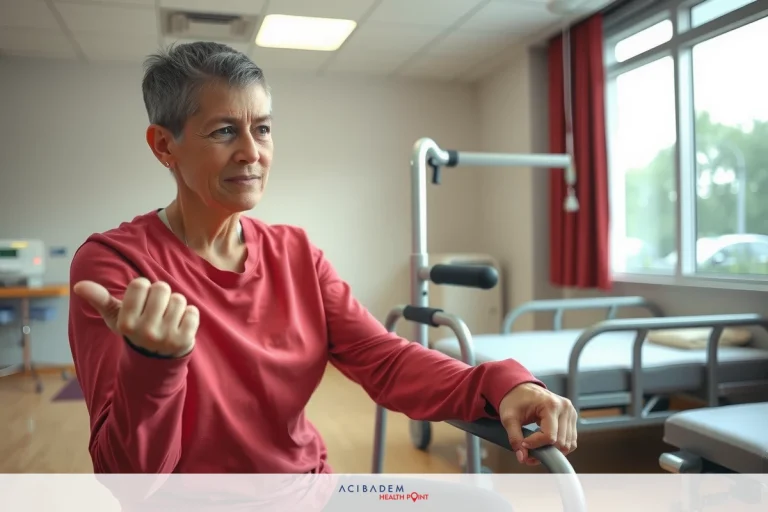
Lymphedema News: Recent Developments and Research
Lymphedema News: Recent Developments and Research In recent years, significant strides have been made in understanding and managing lymphedema, a condition that affects millions of Americans. Despite its prevalence, it remains underrecognized, leaving many patients without proper care. However, advancements in treatment and research are changing the landscape.
One notable milestone in 2024 is the UC Davis Health Center for Lymphatic Disease being designated as an LE&RN Surgery Center of Excellence. This recognition highlights the center’s commitment to innovative surgical techniques and comprehensive care models. These approaches are improving outcomes for patients nationwide.
Emerging therapies, such as ROCK2 inhibitors and lymph node transfer, are also showing promise. These breakthroughs, combined with enhanced diagnostic tools, are paving the way for more effective management of the condition. Multidisciplinary care models are proving essential in addressing the complex needs of those affected.
As research continues to evolve, the focus remains on improving quality of life for patients.
Understanding Lymphedema: A Brief Overview
The lymphatic system plays a crucial role in maintaining health, but when compromised, it can lead to lymphedema. This condition occurs when the body’s ability to drain fluid is impaired, causing chronic buildup and swelling. Understanding its causes and symptoms is essential for effective management.
What is Lymphedema?
Lymphedema is a chronic condition characterized by fluid retention due to a compromised lymphatic system. It can be classified into two types: primary and secondary. Primary lymphedema is rare and often genetic, while secondary lymphedema accounts for 99% of cases. Secondary lymphedema is frequently linked to cancer treatments, such as the removal of lymph nodes. Lymphedema News: Recent Developments and Research
Common Causes and Symptoms
Lymphedema News: Recent Developments and Research Secondary lymphedema is most commonly associated with breast cancer treatment, with a lifetime risk of 20-40% for patients. Other causes include radiation therapy, infections, or trauma to the lymph nodes. Symptoms often begin with mild swelling and progress to limb heaviness, recurrent infections, and skin changes.
Think of the lymphatic system as a highway. When lymph nodes are blocked, it’s like a traffic bottleneck, causing fluid to back up. Early detection and intervention are critical to preventing complications and improving quality of life.
Recent Advances in Lymphedema Treatment
Breakthroughs in medical procedures are offering new hope for patients. Two innovative techniques, lymphovenous bypass and lymph node transfer, are leading the way. These methods are transforming how chronic swelling is managed, providing effective solutions for those in need.
Lymphovenous Bypass Surgery
Lymphovenous bypass is a minimally invasive procedure that creates microscopic detours around blocked lymphatic channels. Using 1mm vessels, surgeons redirect fluid flow to healthy areas. This approach has shown remarkable success, with over 70% of early-stage patients experiencing significant symptom reduction.
One notable case at UC Davis Health demonstrated that arm swelling was reduced to near-normal levels in under two months. Precision is enhanced through microsurgery guided by ultra-high-frequency ultrasound (UHFUS). This technique is also being used proactively during cancer surgery to prevent fluid buildup.
Lymph Node Transfer
Lymph node transfer involves harvesting healthy nodes from the abdomen or groin and transplanting them to areas with compromised drainage. This procedure rebuilds the lymphatic network, restoring fluid flow. While it requires a hospital stay for recovery, the long-term benefits are substantial.
Compared to lymphovenous bypass, this method is more invasive but offers a permanent solution for advanced cases. Both procedures are part of a growing trend toward personalized, multidisciplinary care.
| Procedure | Lymphovenous Bypass | Lymph Node Transfer |
|---|---|---|
| Approach | Minimally invasive | Surgical transplant |
| Recovery Time | Outpatient | Hospital stay |
| Success Rate | 70%+ symptom reduction | Permanent drainage restoration |
| Best For | Early-stage cases | Advanced cases |
Innovative Detection Tools for Early Diagnosis
Cutting-edge technologies are revolutionizing the way fluid imbalances are detected early. These advancements are critical for identifying issues before visible symptoms appear, allowing for timely intervention and better outcomes.
The SOZO Digital Health Platform
The SOZO Digital Health Platform is a groundbreaking device designed to measure fluid imbalances with precision. Using bioelectrical impedance, it provides detailed measurements of water content in the body. This system is non-invasive and delivers results in just 60 seconds, making it ideal for routine checkups.
Lymphedema News: Recent Developments and Research Clinical studies show that SOZO can detect fluid differences of 10-15% between limbs. This capability enables healthcare providers to act before swelling becomes apparent. The platform is also being integrated into post-surgical care to track recovery progress objectively.
Bioimpedance Measurement
Bioimpedance is another innovative detection method. It works by sending painless electrical signals through the body to measure water content disparities. This approach is 30% faster than traditional circumference measurements, offering a more efficient way to diagnose fluid retention.
One of the key benefits of bioimpedance is its ability to identify patients at risk developing chronic conditions early. By catching these issues sooner, healthcare provide

rs can reduce long-term treatment costs and improve patient outcomes.
| Detection Tool | SOZO Digital Health Platform | Bioimpedance Measurement |
|---|---|---|
| Method | Bioelectrical impedance | Electrical signal analysis |
| Time | 60 seconds | 30% faster than traditional methods |
| Key Benefit | Early detection of fluid imbalances | Identifies risk developing chronic conditions |
| Integration | Routine checkups and post-surgical care | Standard diagnostic protocols |
Both the SOZO platform and bioimpedance device are transforming the landscape of early diagnosis. By integrating these tools into standard care, healthcare providers can offer more proactive and effective treatment options.
Breakthrough Research in Lymphedema Mechanisms
Groundbreaking discoveries are reshaping our understanding of fluid imbalances. Scientists are uncovering new ways to address chronic swelling by focusing on the lymphatic vessels and their role in maintaining fluid balance. Two key areas of research—ROCK2 protein and 3D biomimetic models—are leading the charge.
ROCK2 Protein and Its Role in Fluid Management
The ROCK2 protein plays a critical role in regulating endothelial cell junctions in the lymphatic vessels. Under stress from cytokines, these junctions tighten, impairing fluid drainage. A recent Cornell study published in PNAS 2024 found that inhibitors targeting ROCK2 can reverse this tightening, restoring normal function.
This discovery has significant therapeutic potential. In murine trials, targeted ROCK2 blockers reduced swelling effectively. It also opens the door to the first drug-based treatment pathway, offering an alternative to surgical interventions.
3D Biomimetic Models: Replicating Human Lymphatics
Innovative 3D models are providing unprecedented insights into fluid imbalances. These biomimetic systems replicate human lymphatic button junctions within a collagen matrix, mimicking real-world conditions. Researchers can now study the effects of inflammation and other factors in a controlled environment.
These models are not just research tools. They are paving the way for personalized medicine. By using patient-derived cells, scientists can tailor treatments to individual needs, improving outcomes and reducing risks.
Together, these advancements are transforming how we approach fluid imbalances. From targeted inhibitors to advanced 3D models, the future of treatment looks promising and patient-focused.
Improving Quality of Life for Lymphedema Patients
Living with chronic conditions can be challenging, but advancements in care are making a difference. At UC Davis Center, over 400 patients annually benefit from combined surgical and therapeutic approaches. These methods focus on enhancing quality life and reducing symptoms effectively.
Multidisciplinary Clinical Care
The center’s multidisciplinary care model brings together surgeons, therapists, and oncologists to create personalized treatment plans. This collaborative approach ensures that all aspects of the condition are addressed, from physical symptoms to emotional well-being. Lymphedema News: Recent Developments and Research
One key innovation is the reduction of compression sleeve dependency post-surgery. Patients often report improved mobility and comfort. Additionally, early intervention strategies have cut cellulitis rates by 50%, significantly lowering infection risks.
Patient Success Stories
Real-life success stories highlight the impact of these advancements. For example, an 18-year survivor regained the ability to garden after undergoing surgery. Such outcomes demonstrate the transformative power of modern therapy and care.
Mental health is also a priority. Chronic conditions can lead to depression and anxiety, but integrated support systems are helping patients cope better. This holistic approach ensures that both physical and emotional needs are met.
| Aspect | Impact |
|---|---|
| Multidisciplinary Care | Personalized treatment plans |
| Compression Alternatives | Reduced sleeve dependency |
| Infection Prevention | 50% lower cellulitis rates |
| Mental Health Focus | Improved emotional well-being |
The Future of Lymphedema Research and Treatment
The future of managing fluid imbalances is being shaped by groundbreaking research and innovative treatment methods. LE&RN-designated centers are leading the charge, with ongoing clinical trials focused on prophylactic lymphovenous bypass and ROCK2 inhibitors.
Lymphedema News: Recent Developments and Research Emerging technologies, such as AI-powered wearable sensors, are revolutionizing monitoring. These devices provide real-time data, enabling early detection and personalized care. Surgical techniques are also evolving, with nerve-sparing methods preserving lymphatic pump function.
Global initiatives, like WHO’s 2030 targets, aim to raise awareness and improve access to care. Patient advocacy groups are working to expand insurance coverage for advanced therapies, ensuring more people benefit from these innovations.
As research progresses, the focus remains on improving outcomes and enhancing quality of life. The integration of technology, surgical advancements, and global collaboration promises a brighter future for those affected.


