





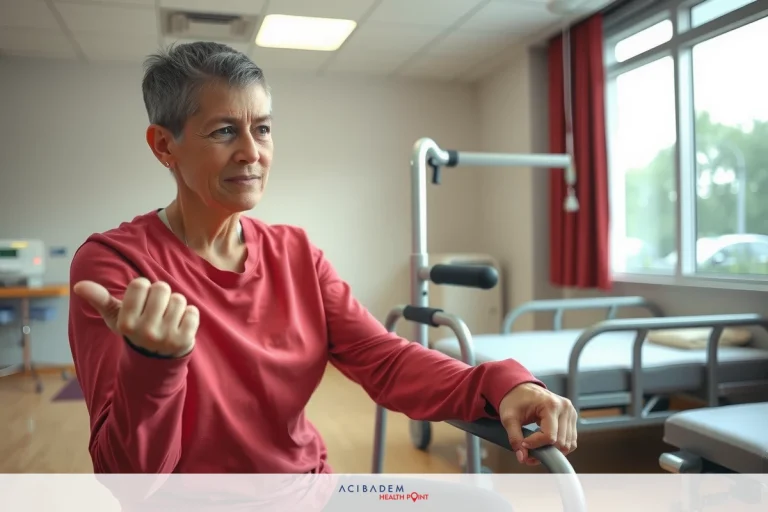
Lymphedema Neck Exercises: Improve Range of Motion
Lymphedema Neck Exercises: Improve Range of Motion Chronic conditions caused by damage to the lymphatic system can lead to discomfort and limited mobility. One effective way to address these challenges is through targeted movements designed to improve flexibility and reduce swelling.
These activities help move lymph fluid, promoting better circulation and easing discomfort. When performed correctly, they can enhance your range of motion and overall quality of life. Always consult a healthcare provider to ensure the techniques and frequency are safe for your needs.
Combining these movements with medical guidance can provide significant benefits. They not only help manage lymphedema but also reduce pain and improve daily function. When done properly, these exercises do not worsen symptoms and can be a valuable part of your routine.
Understanding Lymphedema and Its Impact on the Neck
The neck houses critical lymph nodes essential for filtering bodily fluids. These nodes are part of the lymphatic system, which relies on muscle movements to transport fluid throughout the body. When this system is disrupted, it can lead to uncomfortable swelling and other complications.
What is Lymphedema?
Lymphedema occurs when fluid builds up due to blocked or damaged lymph nodes. This condition often results from surgeries, radiation, or infections that affect the lymphatic vessels. When the system cannot function properly, fluid accumulates, causing discomfort and restricted movement. Lymphedema Neck Exercises: Improve Range of Motion
How Lymphedema Affects the Neck
The neck contains a network of lymph nodes that filter fluid before returning it to the bloodstream. Damage to these nodes, often caused by cancer treatment or infections, can impair drainage. This leads to stiffness, skin changes, and limited mobility in the head and neck area.
The Role of Exercise in Managing Lymphedema
Research shows that gentle movements can help move lymph fluid, reducing swelling and improving circulation. The National Institute for Health and Care Excellence (NICE) supports exercise as part of a comprehensive treatment plan, especially for conditions like breast cancer-related lymphedema. When done correctly, these activities can enhance mobility and overall well-being.
Getting Started with Lymphedema Neck Exercises
Taking the first step toward better mobility requires careful planning and preparation. Whether you’re new to these activities or looking to refine your routine, following a structured approach ensures safety and effectiveness. Below, we’ll guide you through the essential steps to get started.
Consulting Your Healthcare Provider
Before beginning any new regimen, it’s crucial to consult your healthcare provider. They can assess your condition and recommend activities tailored to your needs. This step helps prevent discomfort and ensures you’re on the right track.
Preparing for Your Exercise Routine
Proper preparation sets the foundation for success. Wear compression garments during your routine to support fluid movement. Choose loose, comfortable clothing and stay hydrated to keep your body ready for activity. Starting with 5-10 reps and gradually increasing helps avoid overexertion.
General Instructions for Safe Practice
Lymphedema Neck Exercises: Improve Range of Motion Maintaining proper posture is key. Keep your chin slightly tucked, feet flat on the ground, and shoulders aligned. Avoid slouching to reduce strain. Counting reps aloud can help prevent breath-holding, which may increase pain. Aim for twice-daily sessions to build consistency over time.
| Posture Tips | Key Points |
|---|---|
| Seated Position | Feet flat, back straight, chin slightly tucked |
| Standing Position | Shoulders aligned, weight evenly distributed |
| Breathing | Count reps aloud to avoid breath-holding |
Effective Lymphedema Neck Exercises to Try
Gentle activities can help enhance flexibility and promote better fluid movement. These techniques are designed to support circulation and reduce stiffness. Always perform them slowly and stop if you feel any discomfort.
Deep Breathing for Lymphatic Flow
Start by lying or sitting in a comfortable position. Inhale deeply through your nose, allowing your abdomen to rise. Exhale slowly through pursed lips. Repeat this 10 times to encourage fluid movement and relaxation.
Neck Stretches: Tilts, Turns, and Chin-to-Chest
Gently tilt your head to one side, holding for 15 seconds. Return to the center and repeat on the other side. Next, turn your head slowly to the left and right, holding each position for 15 seconds. Finally, bring your chin to your chest for a gentle stretch.
Shoulder Rolls and Shrugs
Roll your shoulders backward in a circular motion 10 times. This helps loosen tight muscles and improve posture. Follow this with shoulder shrugs, lifting your shoulders toward your ears and then relaxing them.
Mouth and Jaw Exercises
Perform exaggerated vowel sounds like “A,” “E,” and “O” to stretch your jaw. Puff out your cheeks and move air from side to side. These movements can help reduce tension and improve mobility in the jaw area. Lymphedema Neck Exercises: Improve Range of Motion
Remember, these activities should be gentle and pain-fre

e. Consistency is key to seeing improvements over time.
Positioning Tips to Enhance Lymphatic Drainage
Small adjustments in daily posture can make a big difference in managing symptoms. Proper alignment helps support fluid movement and reduces discomfort. Below are practical tips to improve your positioning for better results.
Sleeping with Elevated Head
Elevating your head during sleep can promote fluid drainage. Use 2-3 pillows to keep your upper body slightly raised. This position helps reduce swelling and improves circulation overnight.
Optimal Sitting and Standing Postures
When sitting, choose a supportive chair with your feet flat on the ground. Align your hips, knees, and ankles for proper balance. If swelling extends to your upper body, use cushions to support your arms.
For standing, distribute your weight evenly across both feet. Keep your back straight and avoid locking your knees. Taking breaks to stretch can prevent stiffness and improve mobility.
Using Compression Garments During Exercise
Wearing compression garments during activity can enhance fluid movement. These garments support your muscles and help reduce swelling. Combine them with gentle movements for the best results.
- Elevate your head during sleep to promote drainage.
- Align your hips, knees, and ankles when standing.
- Use cushions to support your arms if needed.
- Combine compression garments with movement for better outcomes.
- Avoid prolonged sitting; take breaks to stretch.
Lifestyle Adjustments to Support Lymphedema Management
Making small changes in your daily routine can significantly improve your well-being. These adjustments focus on hydration, relaxation, and movement to support your body’s natural processes. Below, we explore practical steps to enhance your comfort and promote lymphatic health.
Hydration and Skincare
Staying hydrated is crucial for maintaining fluid balance. Aim to drink 8-10 glasses of water daily to support flow and prevent retention. Proper hydration helps your system function efficiently.
Skincare is equally important. Clean your skin meticulously to prevent infections, especially in areas prone to swelling. Use gentle, fragrance-free products to avoid irritation.
Incorporating Gentle Yoga and Meditation
Practicing yoga can improve flexibility and relaxation. Poses like seated neck stretches and cat-cow encourage gentle movement and reduce tension. Meditation complements these activities by promoting mental calmness.
Tai Chi is another excellent option. Its slow, deliberate movements enhance circulation and support overall well-being.
Daily Habits to Promote Lymphatic Health
Incorporate walking or swimming into your routine for full-body stimulation. These low-impact activities encourage flow and improve mobility. Avoid tight clothing that restricts movement in sensitive areas.
Pelvic floor exercises can also aid in reducing swelling. Combine these with other daily habits for a comprehensive approach to managing symptoms.
| Activity | Benefits |
|---|---|
| Hydration | Supports fluid balance and prevents retention |
| Yoga | Improves flexibility and relaxation |
| Walking | Encourages full-body lymphatic stimulation |
Taking Control of Your Lymphedema Journey
Taking charge of your health journey can lead to significant improvements. Consistency is key when working to manage lymphedema and reduce swelling. Tracking your progress in a journal helps you stay motivated and recognize small victories.
Lymphedema Neck Exercises: Improve Range of Motion Consider joining support networks like the Lymphatic Education & Research Network. These communities provide valuable resources and encouragement. Certified therapists, such as those from the Norton School of Lymphatic Therapy, can create personalized plans to support your treatment.
Always report sudden increases in swelling to your healthcare provider. This ensures timely adjustments to your care plan. By staying proactive, you can reclaim mobility and improve your quality of life. Lymphedema Neck Exercises: Improve Range of Motion


