





Lymphedema ICD10 Code: Diagnosis Coding Explained
Lymphedema ICD10 Code: Diagnosis Coding Explained Accurate medical coding is essential for effective treatment and billing. For lymphatic disorders, proper classification ensures patients receive the care they need. The ICD-10-CM I89.0 code is the primary identifier for unspecified cases of this condition.
This code is billable and helps healthcare providers track treatment progress. It also plays a crucial role in reimbursement processes. Starting October 1, 2024, updates to the coding system will take effect, making it even more important to stay informed.
Proper classification of lymphatic disorders not only aids in clinical management but also ensures financial accuracy. Understanding these codes is vital for healthcare professionals and patients alike.
Understanding Lymphedema and Its Impact
The lymphatic system plays a vital role in maintaining fluid balance and immunity. It includes vessels, tissues, and lymph nodes that work together to remove waste and fight infections. When this system is disrupted, it can lead to significant health issues.
This condition can be classified into two main types: primary and secondary. Primary forms are often hereditary, while secondary forms are acquired due to external factors. Both types can cause discomfort and require proper management.
One of the most noticeable symptoms is swelling, which typically starts in the arms or legs. If left untreated, this swelling can progress to irreversible fibrosis, making early intervention crucial.
Common causes include cancer treatments, infections, and trauma. For example, nearly 40% of cases result from cancer therapies, particularly in breast cancer survivors. Infections and injuries can also damage the lymphatic system, leading to similar issues.
Beyond physical symptoms, this condition can severely impact quality of life. Mobility issues, recurrent infections, and emotional distress are common challenges. Understanding these effects highlights the importance of proper care and support.
What Is the Lymphedema ICD-10 Code?
Understanding the correct identifier for lymphatic conditions is crucial for healthcare providers. The I89.0 code is used to classify cases where the lymphatic system is affected, leading to swelling and other complications. This code is essential for accurate diagnosis, treatment, and billing processes. Lymphedema ICD10 Code: Diagnosis Coding Explained
Applicable Conditions for I89.0
The I89.0 identifier covers a range of lymphatic disorders. These include conditions like elephantiasis NOS and lymphangiectasis. It is also used for cases caused by radiation therapy, secondary factors, or hereditary issues.
Healthcare providers must specify the affected area, such as the right or left limb. For example, “Lymphedema of the right lower limb” requires precise documentation. Bilateral cases also need clear coding to ensure proper treatment.
Exclusions and Related Codes
Lymphedema ICD10 Code: Diagnosis Coding Explained Certain conditions are excluded from the I89.0 classification. These include postmastectomy issues, which are coded under I97.2. Other exclusions, like congenital lymphatic disorders, fall under Q82.0.
Lymphedema ICD10 Code: Diagnosis Coding Explained The term “not elsewhere classified” in the code means it applies only when no other specific identifier fits. This ensures accurate categorization and avoids misclassification.
| Condition | Code | Notes |
|---|---|---|
| Elephantiasis NOS | I89.0 | Includes unspecified cases |
| Lymphangiectasis | I89.0 | Applies to lymphatic vessel issues |
| Postmastectomy Lymphedema | I97.2 | Requires separate coding |
| Congenital Lymphatic Disorders | Q82.0 | Excluded from I89.0 |
How to Use the Lymphedema ICD-10 Code
Proper documentation is key to ensuring accurate classification and treatment of lymphatic disorders. Using the correct diagnosis code requires detailed clinical information, including the affected body part, cause, and severity. This ensures patients receive appropriate care and helps avoid claim denials.
Clinical Documentation Requirements
Accurate coding starts with thorough documentation. Healthcare providers must specify the affected limb, whether it’s the right or left side, and note any bilateral involvement. For example, “Chronic bilateral lower extremity lymphedema secondary to radiation therapy” provides clear clinical information for coding.
Common documentation errors include incomplete descriptions of the condition or failure to note comorbidities. These mistakes can lead to claim denials, delaying patient care. Always include the etiology, such as lymph obstruction or noninfective disorders, to ensure proper classification.
Lymphedema ICD10 Code: Diagnosis Coding Explained Here’s a template for progress notes: “Chronic [affected limb] lymphedema secondary to [cause].” This format ensures all necessary details are included. Additionally, use additional codes for comorbidities when applicable, such as diabetes or hypertension.
| Documentation Element | Example | Importance |
|---|---|---|
| Affected Limb | Right lower extremity | Ensures specificity |
| Etiology | Secondary to radiation therapy | Identifies cause |
| Severity | Moderate swelling | Guides treatment |
| Comorbidities | Diabetes mellitus | Requires additional coding |
Understanding these requirements helps healthcare providers avoid errors and ensures accurate billing. Whether the condition is post-surgical or idiopathic, detailed documentation is essential for proper care and reimbursement.
Common Symptoms and Diagnosis of Lymphedema
Recognizing the signs of lymphatic disorders early can significantly improve treatment outcomes. One of the most common symptoms is swelling lymph, often starting in the arm or leg. This swelling is typically accompanied by pitting edema, where pressure leaves a temporary indentation in the skin.
Healthcare providers use specific diagnostic criteria to identify this condition. These include asymmetry in limb size, skin changes like thickening or discoloration, and a positive Stemmer’s sign, which is present in 89% of cases. Stemmer’s sign is tested by pinching the skin on the top of the toes or fingers; if it’s difficult to lift, it’s considered positive.
Imaging plays a crucial role in confirming the diagnosis. Lymphoscintigraphy is the gold standard, as it provides detailed images of the lymphatic system. Other imaging modalities include MRI, bioimpedance, and ultrasound. Each method has its strengths, with MRI offering high-re
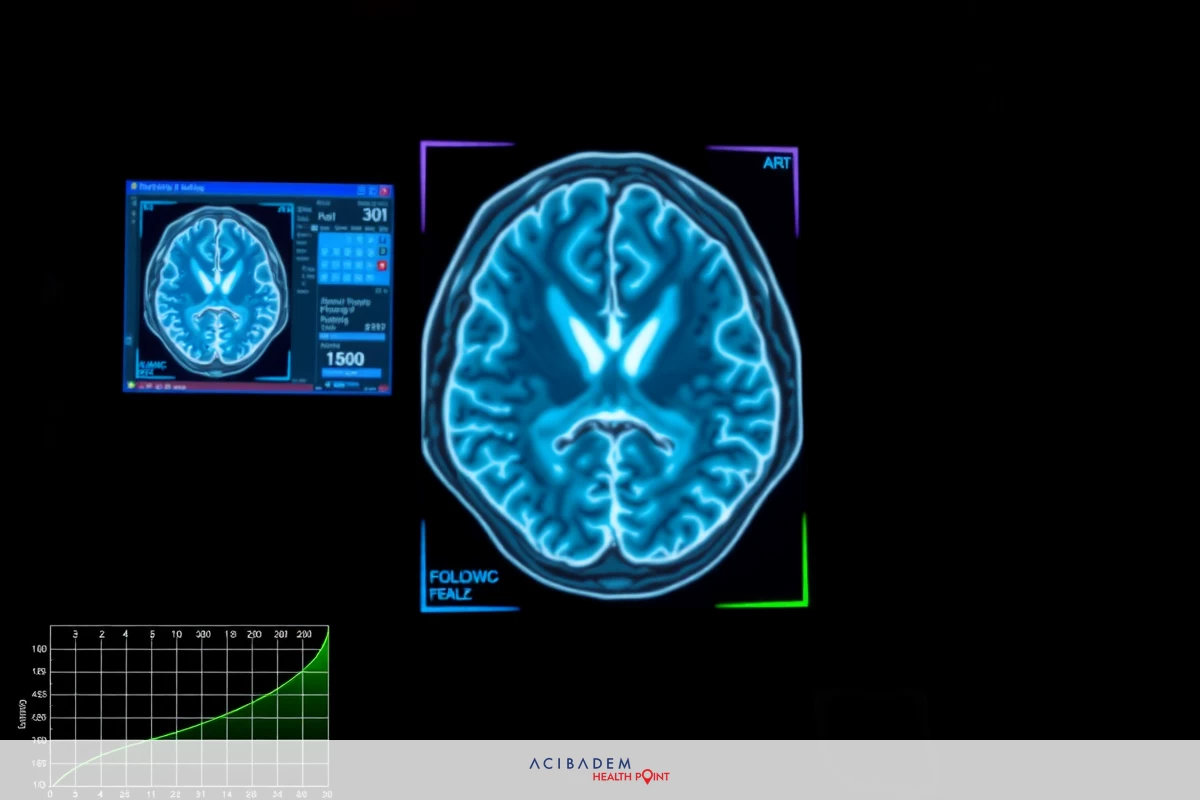
solution images and bioimpedance measuring fluid volume.
Differential diagnosis is essential to rule out other conditions, such as venous insufficiency. While both can cause swelling, venous insufficiency often presents with varicose veins and skin ulcers, unlike lymphatic disorders. Accurate diagnosis ensures appropriate treatment.
The condition is classified into stages using the International Society of Lymphology (ISL) system, ranging from stage 0 (latent) to stage III (severe). Early stages may show minimal swelling, while advanced stages involve irreversible fibrosis and significant limb enlargement.
For patients with a history of cancer, surveillance protocols are critical. Regular monitoring helps detect lymphatic issues early, especially in those who’ve undergone radiation therapy or surgery. Early intervention can prevent complications and improve quality of life.
Treatment Options for Lymphedema
Effective management of lymphatic disorders involves a combination of therapies and lifestyle adjustments. These approaches aim to reduce swelling, improve mobility, and enhance quality of life. A well-rounded treatment plan often includes medical interventions, home remedies, and preventive measures.
Complete Decongestive Therapy
Complete decongestive therapy (CDT) is a cornerstone of treatment, reducing fluid volume by 45-70% within four weeks. This therapy includes:
- Manual Lymphatic Drainage (MLD): A specialized massage technique to stimulate fluid movement.
- Compression Garments: Worn to prevent fluid buildup in the affected limb. Garments range from 20-60mmHg, depending on severity.
- Exercise: Tailored routines to promote circulation and reduce swelling.
- Skin Care: Essential to prevent infections and maintain skin health.
Mechanical Pumps vs. MLD
Mechanical pumps offer an alternative to MLD, using air pressure to move fluid. While effective, they may not provide the same precision as manual techniques. The choice depends on patient preference and condition severity.
Surgical Options
For advanced cases, surgical interventions may be necessary. These include:
- Lymphovenous Anastomosis: Redirects lymphatic fluid to veins.
- Debulking: Removes excess tissue to reduce limb size.
Home Care Checklist
Patients can manage symptoms at home with these steps:
- Maintain skin hygiene to prevent infections.
- Elevate the affected limb to reduce swelling.
- Wear prescribed compression garments daily.
- Follow a low-sodium diet to minimize fluid retention.
For patients with a history of radiation or cancer treatment, regular monitoring is crucial. Early intervention can prevent complications and improve long-term outcomes.
Billing and Reimbursement for Lymphedema
Navigating the billing process for lymphatic conditions requires precision and attention to detail. Proper reimbursement ensures patients receive the care they need without financial hurdles. Understanding the procedure codes and requirements can streamline this process.
Medical Billing Best Practices
Accurate billing starts with mapping the correct ICD-10 to DRG codes 606 and 607. This ensures proper classification and reimbursement. Common billable CPT codes include 29581 for bandaging, 97140 for manual therapy, and 97602 for wound care. Each code requires specific documentation to avoid claim denials.
Local Coverage Determination (LCD) requirements for compression garments must be met. These include medical necessity and proper documentation of the affected area. For example, specifying the involvement of lymph nodes or disorders lymphatic vessels is crucial.
Audit-proof documentation for manual therapy involves detailing the therapy duration and techniques used. Codes like 97535 and 97140 require at least 8 minutes of therapy for billing. Clear notes on patient progress and treatment goals are essential.
Common denial reasons include incomplete documentation or incorrect coding. To address this, healthcare providers should:
- Verify the accuracy of procedure codes before submission.
- Include detailed clinical notes on the system affected.
- Follow up on denied claims promptly with corrected information.
By adhering to these best practices, healthcare providers can ensure smooth billing and reimbursement processes. This not only benefits the practice but also ensures patients receive timely care.
Accurate Coding for Better Patient Outcomes
Precise classification of lymphatic conditions ensures smoother treatment processes and fewer claim denials. According to CMS data, proper coding reduces claim denials by 62%. This accuracy is vital for securing treatment authorization and improving patient care.
Correct coding also plays a key role in tracking health trends. It helps identify patterns in lymphatic vessel disorders, aiding in public health strategies. This data is crucial for developing targeted therapies and preventive measures.
Insurance coverage for specialized treatments often depends on accurate documentation. Properly coded claims ensure patients can access necessary therapies without delays. This directly impacts their recovery and quality of life.
Staff training is essential to keep up with coding updates. Regular education ensures healthcare teams stay informed about changes in classification systems. Resources like online courses and workshops can support ongoing learning. Lymphedema ICD10 Code: Diagnosis Coding Explained
By focusing on accurate coding, healthcare providers can enhance patient outcomes and streamline operations. This approach benefits both patients and medical practices.


