






Lymphedema Hyperkeratosis Treatment: Symptoms & Relief
Lymphedema Hyperkeratosis Treatment: Symptoms & Relief Chronic swelling and skin thickening can significantly impact daily life. These symptoms often stem from a condition linked to lymphatic system dysfunction. When the lymphatic system fails to work properly, it can lead to changes in the skin, making it thicker and harder.
Early intervention is crucial. Without timely care, complications like fibrosis and infections may arise. Managing these symptoms effectively requires a combination of approaches. Compression garments, manual drainage techniques, and proper skin care are key pillars of care.
Beyond physical symptoms, the psychological impact is significant. Data from the Nottingham Health Profile highlights the emotional toll of this condition. Advanced surgical options and ongoing research offer hope for better outcomes.
A multidisciplinary approach is essential for optimal results. Combining different therapies can provide comprehensive relief and improve quality of life.
Understanding Lymphedema Hyperkeratosis
Damage to the lymphatic vessels can lead to significant health challenges. This condition often arises as a secondary complication of lymphatic obstruction, commonly caused by cancer or surgery. When the lymphatic system is compromised, protein-rich fluid accumulates, triggering inflammation and skin changes.
What is Lymphedema Hyperkeratosis?
This condition is characterized by chronic swelling and skin thickening. It typically develops when lymphatic fluid stagnates, leading to fibrosis and epidermal changes. For example, a 64-year-old uterine cancer patient developed symptoms one year post-hysterectomy, highlighting the link between cancer and lymphatic damage.
Hyperkeratosis, or skin thickening, is a protective response to chronic fluid buildup. It progresses from pitting edema to non-pitting fibrotic tissue, making the skin harder and less elastic. This process underscores the importance of early intervention to prevent complications.
How Does It Develop?
Lymphedema Hyperkeratosis Treatment: Symptoms & Relief The lymphatic system plays a crucial role in fluid balance and immune function. When obstructed, it fails to drain fluid properly, leading to inflammation and fibroblast activity. Over time, this results in skin changes and increased infection risk due to compromised skin barriers.
There are two main forms of this condition: primary and secondary. Primary forms are congenital, while secondary forms are acquired, often due to cancer, surgery, or infections like filariasis. Cancer-related cases account for 20% of secondary lymphedema, making it a significant concern for patients.
| Stage | Description |
|---|---|
| Pitting Edema | Fluid buildup causes temporary indentations when pressed. |
| Fibrotic Tissue | Chronic stagnation leads to hardened, non-pitting skin. |
| Hyperkeratosis | Protective thickening of the skin in response to chronic fluid accumulation. |
Understanding these stages helps in identifying the condition early and implementing effective care strategies. By addressing the root cause and managing symptoms, patients can improve their quality of life and reduce complications.
Recognizing the Symptoms of Lymphedema Hyperkeratosis
Early detection of skin changes can prevent severe complications. Recognizing the signs early helps patients seek timely care and manage the condition effectively. Symptoms often start subtly but can progress if left untreated.
Common Signs to Watch For
In the early stages, patients may notice unilateral swelling or a peau d’orange texture on the skin. These changes occur due to fluid buildup and inflammation. As the condition advances, the skin may develop woody fibrosis or verrucous lesions, making it harder and less elastic.
Lymphedema Hyperkeratosis Treatment: Symptoms & Relief One key diagnostic clue is Stemmer’s sign, where the skin on the toes cannot be pinched. A 64-year-old patient, for example, presented with leg pain and brown calluses, highlighting the importance of monitoring skin changes.
Mobility challenges are also common. Balance issues, as measured by a 1.5 fall risk index, can significantly impact daily life. Emotional well-being may also be affected, with depression scores increasing from 15 to 22 on the Beck scale. Lymphedema Hyperkeratosis Treatment: Symptoms & Relief
When to Seek Medical Attention
Certain symptoms require immediate care. Signs of infection, such as erythema, warmth, or purulent drainage, should not be ignored. Fever or chills may indicate cellulitis, a serious complication.
Neglected cases can progress to severe stages, including elephantiasis. Rarely, there is a risk of malignancy, such as angiosarcoma or Stewart-Treves syndrome. Early intervention is crucial to prevent these outcomes.
| Stage | Key Symptoms |
|---|---|
| Early | Unilateral swelling, peau d’orange texture |
| Advanced | Woody fibrosis, verrucous lesions |
| Severe | Elephantiasis, infection signs (erythema, warmth) |
Understanding these stages helps patients and caregivers identify symptoms early and seek appropriate care. Timely action can improve quality of life and reduce complications.
Diagnosing Lymphedema Hyperkeratosis
Accurate diagnosis is the first step toward managing chronic swelling and skin changes. A thorough evaluation helps identify the root cause and guides effective care strategies. This process involves a combination of physical examination, detailed medical history, and advanced diagnostic tools.
Physical Examination and Medical History
During the initial assessment, healthcare providers focus on understanding the patient’s symptoms and background. They inquire about past surgery, exposure to infections, or a history of cancer. This information helps determine if the condition is primary or secondary.
Physical examination includes checking for signs like skin thickening, swelling, and the Kaposi-Stemmer sign. Circumferential measurements, such as those taken with a Leg Q Meter, provide objective data on fluid buildup. These steps are crucial for an accurate diagnosis.
Diagnostic Tools and Tests
Advanced tools play a key role in confirming the condition. Lymphoscintigraphy maps lymphatic drainage, while bioimpedance analysis measures fluid volume. Ultrasound and 3D volume measurements assess tissue composition and changes over time.
In some cases, imaging like CT or MRI is used to evaluate deep tissues. A biopsy may be required if malignancy is suspected. These tests ensure the condition is differentiated from other forms of edema, such as lipedema or DVT.
- Detailed history-taking for cancer, surgical, or filarial exposure.
- Circumferential measurement protocols for tracking progress.
- Bioimpedance analysis to quantify fluid retention.
- Lymphoscintigraphy for mapping lymphatic drainage.
- Imaging tools like CT or MRI for deep tissue evaluation.
By combining these methods, healthcare providers can develop a comprehensive care plan tailored to the patient’s needs. Early and precise diagnosis is essential for improving outcomes and quality of life.
Effective Lymphedema Hyperkeratosis Treatment Approaches
Managing chronic swelling and skin changes requires a multi-faceted approach. Combining different therapies can provide comprehensive relief and improve quality of life. One proven method is Complete Decongestive Therapy (CDT), which includes phases like manual lymphatic drainage, compression, exercises, and skin care.
Manual Lymphatic Drainage (MLD)
MLD is a gentle massage technique that helps move stagnant fluid. It starts with proximal clearing before working on distal areas. This method reduces swelling and improves lymphatic flow. Studies show that consistent MLD, combined with bandages and exercises, can lead to significant improvements. Lymphedema Hyperkeratosis Treatment: Symptoms & Relief
Compression Therapy
Compression garments or bandages are essential for reducing fluid buildup. Short-stretch bandages are often preferred over elastic ones for their effectiveness. A pressure range of 30-40mmHg is recommended for the lower extremities. Layered bandaging, starting with cotton and foam, provides optimal support.
Skin Care and Hygiene Practices
Proper skin care is crucial for preventing infections and maintaining skin health. Use pH-balanced cleansers and emollients to keep the skin hydrated. Antifungal products can help prevent infections. Avoid constrictive clothing or footwear, as they can worsen symptoms.
Self-massage techniques and infection prevention protocols are also important. Patients can maintain results by following these practices regularly. A 4-week program has been shown to achieve near-normal skin in some cases, highlighting the effectiveness of these strategies.
The Role of Physical Therapy in Treatment
Physical therapy plays a vital role in improving mobility and reducing discomfort. It focuses on enhancing lymphatic flow, strengthening muscles, and restoring joint function. A tailored approach can help patients regain independence and improve their quality of life.
Remedial Exercises
Remedial exercises are designed to boost venous and lymphatic pumping. Low-impact activities like swimming and recumbent cycling are often recommended. These ex
ercises reduce swelling and improve circulation without straining the body.
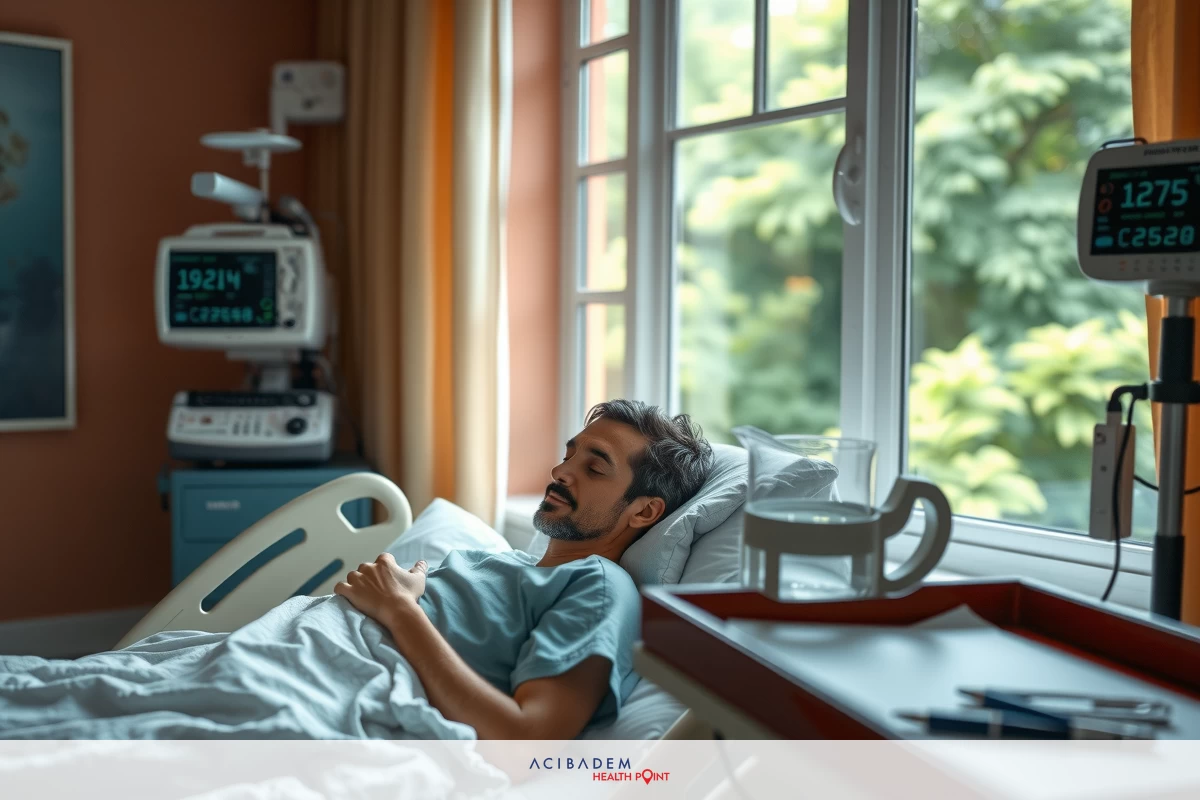
For bedbound patients, simple movements like ankle pumps and quad sets can be beneficial. Resistance training, when done safely, strengthens muscles and supports lymphatic drainage. Combining these exercises with diaphragmatic breathing enhances their effectiveness.
- Swimming and cycling for low-impact activity.
- Ankle pumps and quad sets for bedbound patients.
- Resistance training to strengthen muscles.
- Diaphragmatic breathing for better lymphatic flow.
Improving Muscle and Joint Function
Physical therapy also addresses muscle and joint function. Chronic swelling can lead to gait abnormalities and postural instability. Targeted exercises, like those using Theraband, help correct these issues.
Aquatic therapy is another effective option. The buoyancy of water reduces pressure on joints while providing resistance for muscle strengthening. Patients are encouraged to engage in 150 minutes of moderate activity weekly for optimal results.
| Activity | Benefit |
|---|---|
| Swimming | Low-impact, improves circulation |
| Resistance Training | Strengthens muscles, supports lymph flow |
| Aquatic Therapy | Reduces joint pressure, enhances mobility |
Monitoring for post-activity swelling is essential. Adjustments can be made to ensure exercises remain safe and effective. A well-designed home program empowers patients to maintain progress independently.
Managing Infections and Skin Changes
Proper care for skin and tissue health is essential for preventing complications. Infections and skin changes can significantly impact quality of life if not addressed promptly. A proactive approach can reduce risks and improve outcomes.
Preventing Bacterial and Fungal Infections
Infections are a common concern, especially in areas with compromised skin. Studies show that proper skincare can reduce infection risks by up to 64%. Daily foot inspections and moisture control are critical steps. Keeping the skin clean and dry helps prevent bacterial and fungal growth. Lymphedema Hyperkeratosis Treatment: Symptoms & Relief
For recurrent cellulitis, prophylactic antibiotics may be prescribed. Silver-impregnated dressings are effective for open areas, as they reduce bacterial load. Regular use of antifungal products can also help maintain skin health.
Addressing Fibrosis and Hyperkeratosis
Fibrosis and skin thickening can develop over time due to chronic fluid buildup. Manual techniques to break down fibrotic tissue can improve skin elasticity. Applying urea or lactic acid to hyperkeratotic plaques softens the skin and reduces thickening.
In some cases, intralesional steroid injections or pentoxifylline may be used to remodel fibrotic tissue. Pulsed dye lasers can address vascular components, improving skin appearance. Monitoring for Marjolin’s ulcer transformation is crucial for early detection of complications.
- Daily foot inspections and moisture control to prevent infections.
- Use of silver-impregnated dressings for open areas.
- Manual techniques to break down fibrotic tissue.
- Application of urea or lactic acid for skin softening.
- Regular monitoring for complications like Marjolin’s ulcer.
Coordinating with wound care specialists ensures comprehensive management. A tailored approach can lead to significant improvements in skin and tissue health, enhancing overall well-being.
Lifestyle Adjustments for Better Management
Small lifestyle changes can lead to big improvements in overall well-being. For patients dealing with chronic conditions, adopting healthier habits can make a significant difference. These adjustments not only help manage symptoms but also enhance quality of life.
Diet and Hydration
A balanced diet plays a key role in managing symptoms. Focus on low-sodium, high-protein meals to reduce fluid retention. Anti-inflammatory foods, like those rich in omega-3 fatty acids, can also help. Limit alcohol, as it can cause vasodilation and worsen swelling.
Proper hydration is equally important. Aim for 2-3 liters of water daily, unless advised otherwise. Staying hydrated supports overall health and helps the body function efficiently.
Activity and Exercise Recommendations
Regular activity is essential for maintaining mobility and reducing discomfort. Seated exercises are a great option for those with limited mobility. Avoid prolonged standing or sitting, as it can worsen symptoms.
Elevation techniques, like raising limbs at a 45° angle for 30 minutes, can help reduce swelling. Wearing moisture-wicking fabrics keeps the skin dry and comfortable. For those who smoke, quitting is crucial, as smoking can impair circulation and worsen symptoms.
These simple adjustments can make a meaningful impact on daily life. By focusing on management through diet, hydration, and activity, patients can take control of their health and improve their well-being.
Advanced Treatment Options
Innovative approaches are transforming how we address complex health challenges. For patients with chronic conditions, advanced treatments offer new hope and improved outcomes. These options include surgical interventions and cutting-edge therapies that are reshaping care strategies.
Surgical Interventions
Surgery plays a key role in managing severe cases. Lymphovenous anastomosis is a microsurgical technique that connects lymphatic vessels to veins, improving fluid drainage. Another option is suction-assisted lipectomy, which removes excess tissue to reduce swelling.
For end-stage cases, the staged Charles procedure involves removing affected tissue and skin grafting. While effective, it carries risks like infection and scarring. Vascularized lymph node transfers are also gaining attention for their ability to restore lymphatic function.
Emerging Therapies and Research
New therapies are being developed to address underlying causes. VEGF-C gene therapy aims to stimulate lymphatic growth, while PDE4 inhibitors target fibrosis. Nanotechnology is being explored for targeted drug delivery, offering precise treatment options.
Robotic-assisted manual lymphatic drainage and stem cell applications are also under investigation. These advancements highlight the importance of ongoing research in improving patient outcomes. Participation in clinical trials can provide access to these innovative treatments.
| Treatment | Method | Benefits | Risks |
|---|---|---|---|
| Lymphovenous Anastomosis | Microsurgery | Improves drainage | Requires skilled surgeon |
| Suction-Assisted Lipectomy | Tissue removal | Reduces swelling | Risk of infection |
| Staged Charles Procedure | Tissue removal & grafting | Effective for end-stage | Scarring, infection |
These advanced options provide hope for patients, but it’s essential to weigh the benefits and risks. Consulting with a healthcare provider can help determine the best approach for individual needs.
Support and Resources for Patients
Navigating chronic health conditions can feel overwhelming, but support is available. Connecting with others and accessing professional care can make a significant difference. These resources not only provide practical help but also improve emotional well-being and quality of life.
Finding Support Groups
Support groups offer a safe space to share experiences and learn from others. National organizations like the Lymphatic Education & Research Network provide valuable information and connections. For patients with breast cancer, survivor networks can be particularly helpful.
- Join local or online groups for shared experiences.
- Connect with organizations specializing in lymphatic health.
- Engage with breast cancer survivor communities for tailored support.
Accessing Professional Care
Professional care is essential for managing symptoms effectively. Look for providers with lymphedema certification to ensure expertise. Telehealth options can save time and make care more accessible, especially for those with mobility challenges.
- Verify provider certifications for specialized care.
- Explore telehealth services for convenience.
- Advocate for insurance coverage to reduce financial burdens.
Caregiver education initiatives and palliative care integration are also crucial. These resources ensure comprehensive support for both patients and their families. By leveraging these tools, individuals can take control of their health journey and find the help they need.
Living Well with Lymphedema Hyperkeratosis
Living with chronic conditions requires thoughtful adjustments to daily routines. Individualized care plans are essential, as they address unique needs and help patients manage symptoms effectively. Daily self-monitoring and lifelong compression adherence can significantly improve quality of life.
Addressing emotional concerns, such as intimacy and body image, is equally important. Practical steps like planning for climate adjustments and preparing travel safety protocols ensure comfort and security. Celebrating small functional gains fosters motivation and hope.
Advocating for workplace accommodations and staying informed about advancing therapies empowers patients to take control of their health. With time and consistent effort, it’s possible to live well and thrive despite challenges.


