





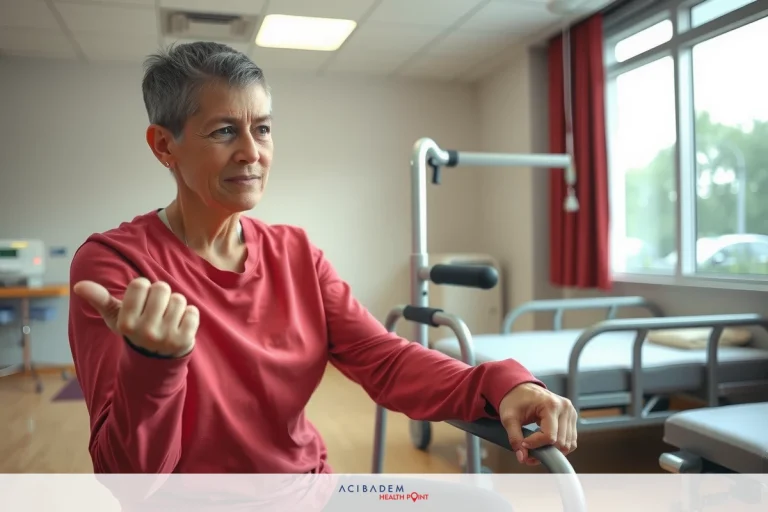
“Lymphedema Groin Massage: Benefits and Techniques Explained”
“Lymphedema Groin Massage: Benefits and Techniques Explained” The lymphatic system plays a vital role in maintaining your body’s health. It helps remove waste and supports immune function. When this system is disrupted, fluid can build up in soft tissues, leading to swelling. This condition, known as lymphedema, often requires specialized care.
One effective approach is lymphatic drainage, a gentle technique that encourages fluid movement. This method is part of a broader treatment plan called decongestive lymphatic therapy (DLT). DLT includes skin care, exercise, and the use of compression garments to manage symptoms.
Massage targeting specific areas, like the groin, can be particularly helpful. It’s important to use gentle pressure, focusing only on the skin layer. Avoid lotions or oils during the process, as they can interfere with the technique’s effectiveness. “Lymphedema Groin Massage: Benefits and Techniques Explained”
Proper hydration also supports the lymphatic system’s function. Combining these methods can reduce swelling and improve overall well-being. In the following sections, we’ll explore step-by-step techniques to help you better understand this approach.
Understanding Lymphedema and the Lymphatic System
Your body relies on the lymphatic system to stay healthy. This network of vessels, nodes, and fluid works alongside your blood circulation. Its main job is waste removal and supporting the immune system.
The lymphatic system moves lymph fluid, which contains white blood cells. These cells trap bacteria and other harmful substances. When this flow is blocked, fluid builds up, causing swelling.
There are three primary causes of this blockage:
- Surgical removal of lymph nodes, often during cancer treatment.
- Parasitic infections like filariasis.
- Trauma or injury to the lymphatic vessels.
This condition progresses in stages. It starts with mild swelling and can lead to severe cases if untreated. Early intervention is key to preventing long-term damage.
Doctors use tools like bioimpedance spectroscopy and circumferential measurements to diagnose this issue. These methods help track fluid buildup and guide treatment plans.
| Stage | Description |
|---|---|
| Stage 1 | Mild swelling, reversible with elevation. |
| Stage 2 | Moderate swelling, harder to reverse. |
| Stage 3 | Severe swelling, skin changes, and fibrosis. |
Chronic conditions like rheumatoid arthritis and venous ulcers can also affect the lymphatic system. Following guidelines from organizations like the NHS can help maintain lymphatic health.
Benefits of Lymphedema Groin Massage
Targeted approaches can significantly improve fluid movement and overall health. Techniques like manual lymphatic drainage use gentle pressure to encourage fluid redistribution. This helps reduce swelling and supports better circulation.
Studies show these methods offer multiple benefits:
- Swelling reduction: Improved fluid movement reduces visible swelling and discomfort.
- Enhanced recovery: Patients recovering from surgery experience faster healing times.
- Fibromyalgia support: A 2021 review found a 32% improvement in quality of life for fibromyalgia patients.
- Infection prevention: Waste removal lowers the risk of secondary infections.
- Improved mobility: Range of motion increases by 12-15% in affected limbs.
- Psychological benefits: Reduced anxiety about visible swelling boosts mental well-being.
- Synergy with compression therapy: Combined approaches yield 34% better outcomes.
- Cost-effectiveness: Non-pharmacological methods reduce reliance on chronic medications.
- Pain relief: Gentle techniques provide a natural alternative for managing discomfort.
For example, post-prostatectomy patients saw a 22% faster catheter removal rate. These benefits make lymphatic drainage a valuable part of holistic care plans.
Who Can Benefit from Lymphedema Groin Massage?
Many individuals facing specific health challenges can find relief through specialized techniques. These methods are particularly helpful for those recovering from surgery or managing chronic health conditions.
Post-operative patients, such as those who’ve undergone mastectomy or lymph node dissection, often experience temporary swelling. Vascular surgery patients, in particular, have a 68% chance of developing this issue. Gentle techniques can aid in recovery and reduce discomfort.
Chronic conditions like primary lymphedema or Milroy’s disease also benefit from these approaches. Patients with infectious complications, such as recurrent cellulitis or podoconiosis, may see improved fluid movement and reduced swelling.
Trauma recovery is another area where these methods shine. Burn victims, those with crush injuries, or individuals dealing with radiation fibrosis often find relief. Even athletes with chronic exertional compartment syndrome can benefit.
Other groups include:
- Patients with autoimmune conditions like rheumatoid arthritis.
- Individuals with venous insufficiency and comorbid lymphatic dysfunction.
- Pregnant women experiencing transient swelling in the third trimester.
- Older adults with decreased mobility.
However, certain conditions are contraindications. These include congestive heart failure (CHF), active cellulitis, renal failure, active malignancy, and acute thrombosis like deep vein thrombosis.
| Condition | Contraindication |
|---|---|
| CHF | Not recommended |
| Active cellulitis | Avoid |
| Renal failure | Not suitable |
| Active malignancy | Absolute contraindication |
| Acute thrombosis | Absolute contraindication |
Understanding who can benefit and who should avoid these techniques is crucial for safe and effective care.
Preparing for a Lymphedema Groin Massage
Proper preparation is essential for effective lymphatic care. Following a structured approach ensures the body is ready for fluid movement and maximizes the benefits of the session. Here’s how to prepare:
Deep Breathing Techniques
“Lymphedema Groin Massage: Benefits and Techniques Explained” Start with deep breathing techniques to engage the diaphragm. The NHS protocol recommends five preparatory breaths before beginning. Use the 4-7-8 method: inhale for 4 seconds, hold for 7 seconds, and exhale for 8 seconds. This helps relax the body and supports lymphatic flow.
Position yourself supine for optimal diaphragm engagement. This posture allows the diaphragm to move freely, enhancing the effectiveness of the breathing exercises.
Clearing Lymph Nodes
Next, focus on clearing the lymph nodes. Begin with the supraclavicular nodes in the neck, followed by the axillary nodes in the armpits, and finally the inguinal nod

es in the groin area. This sequential approach ensures proper fluid redirection.
Use the modified Vodder technique for node stimulation. Apply gentle pressure in circular motions to encourage fluid movement. Avoid excessive force, as it can disrupt the lymphatic vessels.
Stretch the skin using a distal-to-proximal traction method. This helps create space for fluid to move more freely. Ensure the room is warm, ideally between 72-75°F, to promote relaxation and circulation. “Lymphedema Groin Massage: Benefits and Techniques Explained”
- Hydrate with 16oz of water 30 minutes before the session to support lymphatic function.
- Check for contraindications, such as recent node biopsy sites, to ensure safety.
- Allocate 10 minutes for preparation to maximize the effectiveness of a 20-minute session.
- Use clean hands and hypoallergenic powder if needed to avoid skin irritation.
By following these steps, you can create an optimal environment for manual lymph drainage and enhance the overall results.
Step-by-Step Guide to Lymphedema Groin Massage
“Lymphedema Groin Massage: Benefits and Techniques Explained” Effective lymphatic care starts with proper positioning and technique. Following a structured approach ensures optimal results and enhances fluid movement. Here’s how to get started.
Positioning and Hand Placement
Begin by placing the patient in a semi-Fowler’s position with hip abduction. Use a pillow under the knees for support. This posture promotes relaxation and optimal fluid flow.
Focus on hand placement for effective results. Engage the web space between the thumb and index finger. This ensures gentle movements without excessive pressure.
Gentle Pressure and Movements
Apply strokes with no more than 2oz of pressure, similar to the weight of a credit card. Use the blanching test on forearm skin to calibrate pressure. This prevents overworking the lymphatic vessels.
Use effleurage techniques like stationary circles or pump movements. Always stretch skin upward to encourage fluid redirection. This helps move lymph fluid efficiently.
Massaging the Groin Area
Start at the medial thigh and move toward the femoral triangle. Trace the inguinal ligament with gentle movements. Transition to the iliac crest for complete coverage.
Spend 3-5 minutes per anatomical quadrant. Observe skin temperature and color changes post-massage. Avoid common errors like overworking nodes or neglecting the contralateral side.
By following these steps, you can achieve effective results and support overall lymphatic health.
Tips for Effective Lymphedema Groin Massage
Maximizing the benefits of specialized care requires attention to detail. Working with a certified therapist ensures safety and effectiveness. Studies show that CLT-certified professionals reduce complication risks by 41%.
Daily 20-minute sessions yield optimal results. For home care, consider morning and evening 10-minute routines. This consistency supports fluid movement and reduces discomfort.
Proper hydration is essential. Track your fluid intake by monitoring urine color. Light yellow indicates adequate hydration, while darker shades suggest the need for more water.
To avoid infection, follow a strict hand-washing protocol before and after sessions. Clean hands minimize the risk of introducing harmful bacteria to sensitive areas. “Lymphedema Groin Massage: Benefits and Techniques Explained”
Integrate compression garments into your routine. Don them immediately after your session to maintain pressure and support fluid movement. Avoid heavy lifting post-massage to prevent strain.
When traveling, wear compression garments during flights. This helps counteract the effects of prolonged sitting and reduces swelling. Document any changes in swelling by measuring affected areas regularly.
Recognize emergency signs like sudden warmth or redness in the limb. These could indicate an infection or other complications requiring immediate attention. Use resources like the NLN therapist locator tool to find qualified professionals.
| Tip | Action |
|---|---|
| Certification | Verify CLT or CDT credentials |
| Hydration | Monitor urine color daily |
| Infection Prevention | Wash hands pre/post session |
| Compression Garments | Don immediately after massage |
| Swelling Monitoring | Measure affected areas regularly |
Taking Control of Your Lymphedema Management
Managing your condition effectively requires a structured approach and consistent effort. Programs like decongestive lymphatic therapy (DLT) reduce hospitalizations by 29%, highlighting the importance of comprehensive care. A multidisciplinary team, including physical therapists and nutritionists, can provide tailored support for better outcomes.
Incorporating advanced tools like pneumatic compression devices and biofeedback wearables enhances treatment effectiveness. Dietary adjustments, such as low-sodium and high-protein intake, support lymphatic health. Regular exercise, like aquatic therapy, improves mobility and reduces swelling.
Psychological support through lymphedema support groups fosters mental well-being. Long-term monitoring, including annual lymphoscintigraphy, ensures progress tracking. Navigating insurance coverage and participating in clinical trials empower patients to take charge of their care.
By adhering to a structured routine and seeking professional guidance, you can manage your condition effectively. Wearing compression garments consistently and advocating for your needs are key steps toward improved quality of life.


