





Lymphedema Fitter Guide: Choosing the Best for Your Needs
Lymphedema Fitter Guide: Choosing the Best for Your Needs Living with chronic swelling can be challenging, but the right support can make a significant difference. Compression garments play a vital role in improving mobility and enhancing quality of life. However, selecting the right fit is crucial for effective management.
Certified professionals are essential in this process. They ensure garments are tailored to your unique needs, whether through in-person or telehealth sessions. Personalized fittings not only enhance comfort but also help optimize insurance coverage for these essential items.
This guide is designed to help you navigate the process of choosing the best compression garments. By understanding the importance of expert guidance, you can take confident steps toward better health and comfort.
Understanding Lymphedema and Its Impact
Managing chronic swelling requires understanding its root causes and effects. One common condition linked to swelling is lymphedema, which occurs when protein-rich fluid accumulates abnormally in tissues. This condition can significantly impact daily life, making early diagnosis and proper management essential.
What is Lymphedema?
Lymphedema is classified into two main types: primary and secondary. Primary lymphedema is congenital, often caused by malformations in the lymphatic system. Secondary lymphedema, on the other hand, is acquired and commonly results from cancer treatment, surgery, radiation, trauma, or infection.
Both types can lead to complications like recurrent infections, reduced mobility, and emotional distress. Recognizing the triggers and symptoms early can help patients seek appropriate therapy and improve their quality of life.
How Lymphedema Affects Daily Life
Living with lymphedema presents both physical and emotional challenges. Physically, patients may experience swelling, heaviness, and limited mobility. Recurrent infections like cellulitis are also common, adding to the burden.
Emotionally, the condition can affect self-esteem and body image. Finding clothing that fits comfortably can be difficult, further impacting confidence. Early intervention and proper management can help mitigate these challenges and improve overall well-being.
| Type of Lymphedema | Causes | Common Symptoms |
|---|---|---|
| Primary | Congenital lymphatic system malformations | Swelling, heaviness, recurrent infections |
| Secondary | Surgery, radiation, trauma, infection | Swelling, reduced mobility, emotional distress |
The Role of a Lymphedema Fitter
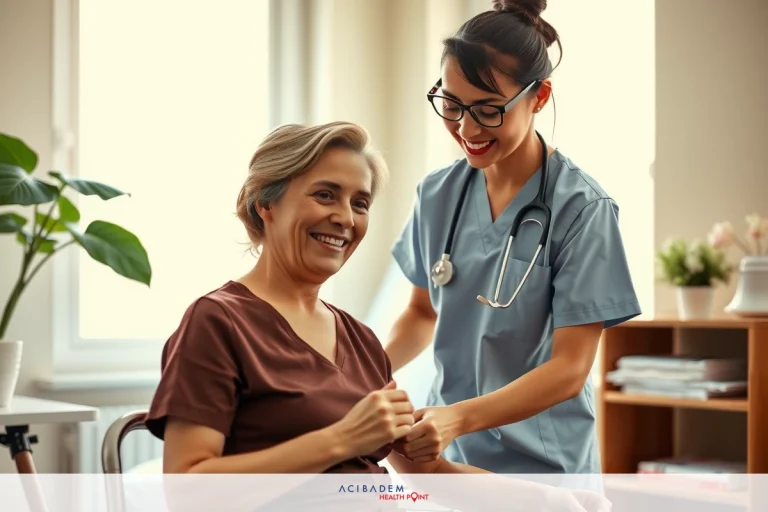
Expert assistance is key to managing chronic swelling and improving daily comfort. A certified fitter plays a crucial role in ensuring that compression garments are tailored to meet individual needs. Their expertise helps patients achieve better mobility and overall well-being.
What Does a Lymphedema Fitter Do?
A certified fitter assesses the stage of swelling and determines the appropriate type of compression garments. They take precise measurements, select the right product, and make necessary adjustments for a perfect fit. Additionally, they provide detailed instructions on how to use and care for the garments. Lymphedema Fitter Guide: Choosing the Best for Your Needs
Fitters also collaborate closely with therapists to create comprehensive treatment plans. This teamwork ensures that patients receive holistic care tailored to their specific conditions.
Why Professional Fitting is Essential
Proper fitting is critical to avoid complications like skin breakdown or reduced effectiveness of the garments. Certified fitters undergo specialized training, including knowledge of pneumatic compression devices, to ensure they meet high standards.
During fittings, fitters also focus on patient education. They explain how to manage swelling effectively and address any concerns. This ongoing support helps patients feel confident in their care journey.
- Certification Requirements: Fitters often hold credentials like CLT or BOC/ABC certifications, ensuring they are qualified to provide expert care.
- Collaboration: Working with therapists ensures a comprehensive approach to treatment.
- Consequences of Improper Fitting: Ill-fitting garments can lead to discomfort, skin issues, and reduced efficacy.
Types of Compression Garments
Understanding the variety of compression garments available is essential for effective management. These garments come in different styles, materials, and compression levels, each designed to address specific needs. Whether you’re managing swelling or improving circulation, selecting the right garment can make a significant difference.
Custom vs. Readymade Compression Garments
Custom garments are tailored to your exact measurements, ensuring a precise fit. They are ideal for individuals with unique body shapes or severe swelling. On the other hand, readymade options are convenient and available in multiple compression classes, making them suitable for mild to moderate cases.
Custom garments offer unmatched precision, while readymade ones provide quick accessibility. Both have their advantages, and your choice will depend on your specific condition and lifestyle.
Choosing the Right Garment for Your Needs
When selecting a compression garment, consider the following factors:
- Compression Levels: Ranging from 20-30mmHg for mild cases to 50-60mmHg for severe swelling.
- Material Choices: Flat-knit fabrics are durable and ideal for long-term use, while circular-knit fabrics are softer and more flexible.
- Specialty Designs: Open-toe options provide comfort for those with foot sensitivity, while closed-toe designs offer full coverage.
- Body Areas: Choose garments designed for specific areas like arms, legs, or the trunk.
- Activity Level: Select garments that align with your daily activities and lifestyle.
By considering these factors, you can find a garment that not only manages swelling but also fits seamlessly into your life.
The Importance of Proper Measurement
Accurate measurements are the foundation of effective swelling management. Without precise sizing, compression garments may not provide the intended benefits. Proper measurement ensures comfort, functionality, and optimal results in managing swelling.
How Measurements Are Taken
Certified professionals use advanced techniques to take measurements. These include volumetric and circumferential methods, often employing tools like tape measures, 3D scanners, and volume displacement devices. Measurements are typically taken after decongestive therapy to ensure accuracy.
Multi-point protocols are followed, with 8-10 points measured on the limb. Photos and clinical notes are uploaded to secure portals for documentation. This thorough process ensures a tailored fit for each individual.
Why Accurate Measurements Matter
Incorrect measurements can lead to serious issues. Poorly fitted garments may cause tissue damage, reduce effectiveness, or worsen swelling. Accurate sizing ensures the garment provides the right level of compression for optimal results.
Follow-up measurements are essential as swelling changes over time. Telehealth verification processes also allow for remote adjustments, ensuring continued accuracy and comfort. Working with a certified therapist enhances the overall experience, providing confidence in the fitting process. Lymphedema Fitter Guide: Choosing the Best for Your Needs
- Timing Matters: Measurements are taken post-decongestive therapy for accuracy.
- Advanced Tools: Tools like 3D scanners and tape measures ensure precision.
- Consequences of Errors: Poor measurements can lead to discomfort and ineffective management.
- Follow-Up: Regular updates ensure garments remain effective as swelling changes.
Insurance and Coverage for Compression Garments
Navigating insurance for compression garments can feel overwhelming, but understanding the process can ease the journey. Many patients rely on insurance to access these essential items, making it crucial to know how to maximize your benefits. From prior authorizations to documentation requirements, being prepared can save time and stress.
Insurance policies for compression garments vary widely. Medicare and Medicaid, for example, have specific guidelines for coverage. These often include proof of medical necessity, such as a physician’s prescription and documentation of the edema stage. Prior authorizations are typically handled by insurance specialists, ensuring that the process runs smoothly.
Lymphedema Fitter Guide: Choosing the Best for Your Needs It’s also important to understand the differences between DME (Durable Medical Equipment) and surgical supply coverage. Some policies may limit the number of garments covered per calendar year, while others allow exceptions for severe cases. Knowing these details can help you plan effectively.
Maximizing Your Insurance Benefits
Lymphedema Fitter Guide: Choosing the Best for Your Needs To make the most of your insurance, start by gathering all required documentation. This includes a doctor’s order, fitting notes, and photos of the affected area. Medicare, for instance, requires detailed proof of medical necessity before approving coverage for garment replacements.
If your claim is denied, don’t lose hope. Many providers offer appeal strategies to help you secure the care you need. Additionally, state Medicaid programs may have unique requirements, so it’s worth exploring your options locally. By staying informed and organized, you can navigate the insurance process with confidence.
- Medicare Guidelines: Replacement garments are typically covered every six months, with exceptions for severe cases.
- Prior Authorization: Work with your provider to ensure all paperwork is submitted correctly.
- Documentation: Keep detailed records, including photos and fitting notes, to support your claim.
- State Variations: Medicaid programs differ by state, so check local requirements for specifics.
Finding a Qualified Lymphedema Fitter
Choosing the right professional to assist with swelling management is a critical step toward better health. A certified fitter ensures that your needs are met with preci
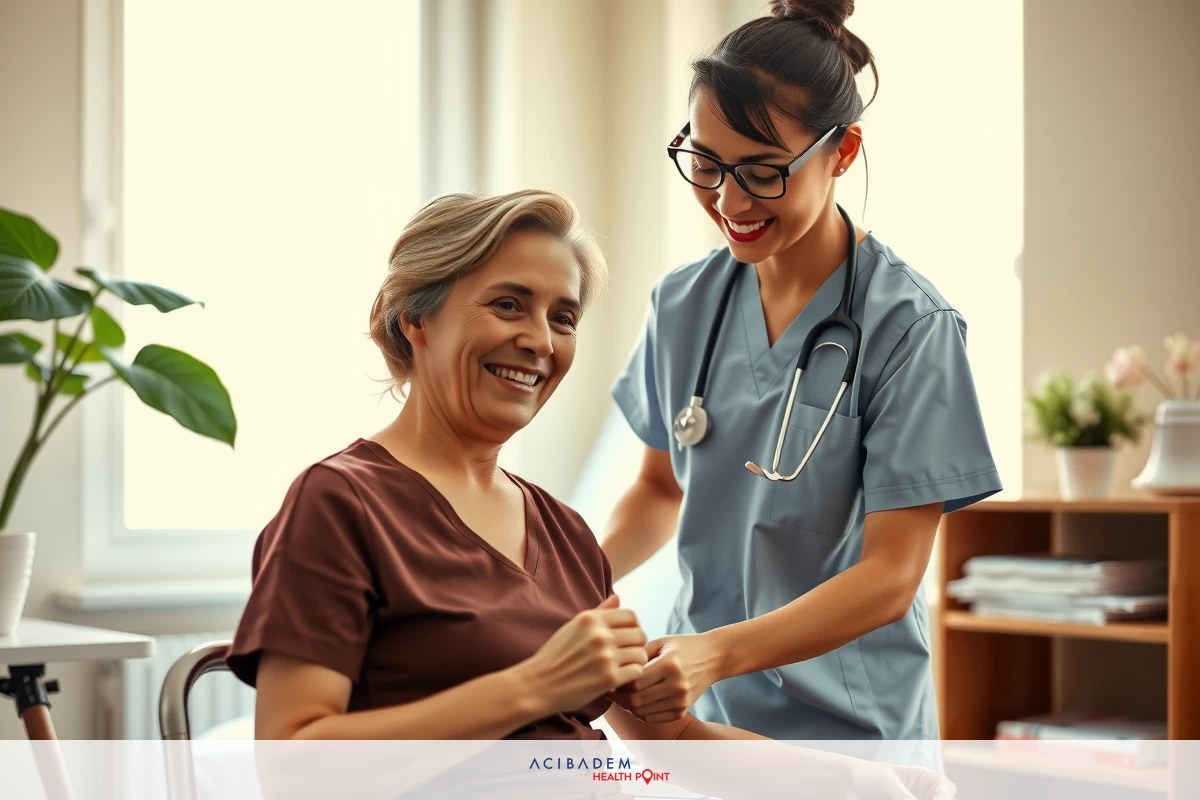
sion and care. Their expertise can make a significant difference in your comfort and mobility.
What to Look for in a Fitter
When selecting a fitter, start by verifying their credentials. Look for certifications like CLT or BOC/ABC, which indicate specialized training. Experience is also key—professionals who handle 50+ garment fittings annually are often more adept at addressing complex cases.
Ask about their knowledge of pneumatic compression devices and decongestive therapy. These skills are essential for effective management. Additionally, ensure they have expertise in insurance billing to simplify the process for you.
- Essential Credentials: CLT, BOC/ABC certifications.
- Recommended Experience: 50+ garment fittings annually.
- Red Flags: Lack of decongestive therapy knowledge.
Questions to Ask During Your Consultation
Prepare a list of questions to assess the fitter’s qualifications. For example, ask how they handle swelling fluctuations or if they participate in provider education programs. These insights can help you gauge their expertise.
For patients in rural areas, inquire about telehealth capabilities. Remote consultations can be a convenient option, ensuring you receive quality care regardless of location.
- Key Questions: “How do you handle swelling fluctuations?”
- Telehealth: Verify their ability to conduct remote fittings.
- Insurance: Confirm their expertise in billing and coverage.
The Fitting Process: What to Expect
The fitting process for compression garments is designed to ensure comfort and effectiveness. It begins with a thorough assessment and continues with regular follow-ups to address any changes in your condition. This structured approach helps optimize the benefits of your therapy and ensures you receive the best possible care.
Initial Consultation and Assessment
Your first appointment typically lasts 30 to 60 minutes. During this session, the specialist will evaluate your medical history, assess the stage of swelling, and discuss your lifestyle. This helps determine the most suitable options for your needs.
You’ll also receive a demonstration of how to properly put on and remove the garments. This training ensures you can use them comfortably and effectively. Additionally, the specialist will explain the break-in period for new garments, helping you adjust smoothly.
Follow-Up and Adjustments
Regular check-ins are essential to maintain the effectiveness of your compression garments. Most patients schedule follow-up sessions every 3 to 6 months. These appointments allow the specialist to make adjustments if needed, such as for weight changes of ±10%.
In case of sudden swelling increases, emergency protocols are in place to address the issue promptly. Secure portals are used to track measurements and ensure accuracy over time. This ongoing support helps you stay comfortable and confident in your management plan.
Telehealth Options for Lymphedema Fitting
Telehealth services have revolutionized access to specialized care for swelling management. With virtual consultations, patients can now receive expert guidance from the comfort of their homes. This approach is especially beneficial for those in rural areas or with limited mobility.
Benefits of Virtual Care
Telehealth offers a variety of advantages. It reduces the risk of infection by eliminating the need for in-person visits. Patients with stable swelling and access to technology are ideal candidates. Additionally, virtual care ensures nationwide availability, making expert support accessible to all.
How Virtual Fittings Work
The process begins with a step-by-step guide. A provider mails a measuring kit to the patient, including tools like a cloth tape measure and a full-length mirror. Virtual sessions, often conducted via secure platforms like Zoom, guide patients through the measuring process. Photos and documents are uploaded through HIPAA-compliant portals for accuracy.
Patients with stable swelling and access to technology benefit the most. However, telehealth may not be suitable for complex cases, such as truncal swelling. Regular follow-ups ensure adjustments are made as needed, maintaining the effectiveness of the garments.
| Advantages | Limitations |
|---|---|
| Reduced infection risk | Not ideal for complex cases |
| Access for rural patients | Requires stable swelling |
| Nationwide availability | Tech access necessary |
Educating Yourself on Lymphedema Management
Knowledge is power when it comes to managing chronic swelling effectively. Understanding your condition and treatment options can significantly improve your quality of life. By educating yourself and your caregivers, you can take proactive steps toward better health and comfort.
Resources for Patients and Caregivers
Access to reliable resources is essential for effective management. Organizations like the National Lymphedema Network (NLN) and ACOLS offer valuable training materials. These resources cover essential topics such as skin care, manual drainage basics, and garment assistance.
Caregivers also benefit from specialized training. Learning to recognize infection signs and assist with garment use ensures better support for patients. Both in-person and virtual support groups provide additional guidance and emotional encouragement.
The Role of Education in Effective Management
Education plays a critical role in long-term success. Completing a 135-hour certification course can deepen your understanding of therapy techniques and home maintenance protocols. This knowledge empowers you to adhere to your treatment plan and recognize warning signs that require immediate attention.
By staying informed, you can make confident decisions about your care. Regular follow-ups with your therapist ensure adjustments are made as needed, keeping your management plan effective and tailored to your needs.
Long-Term Care and Maintenance
Effective long-term care ensures lasting comfort and improved mobility. Managing swelling requires consistent attention to daily routines, proper tools, and timely adjustments. By staying proactive, you can prevent complications and enhance your quality of life.
Tips for Ongoing Management
Daily routines play a vital role in maintaining your health. Start with skin checks to identify any issues early. Gentle exercises can improve circulation and reduce swelling. These small steps make a big difference over time.
Proper care of your compression garments is essential. Wash them regularly using mild detergent to maintain elasticity. Monitor their condition to ensure they provide the necessary support. Replace them every 6-12 months or as recommended by your therapist.
Pneumatic pumps also require regular maintenance. Follow the manufacturer’s guidelines to keep them in good working condition. This ensures they remain effective in managing your needs.
When to Seek Further Assistance
Recognizing signs of treatment failure is crucial. If you notice pitting edema recurrence, sudden swelling, or redness, contact your healthcare provider immediately. Fever or discomfort may indicate an infection that requires prompt attention.
Lifelong compression wear is often necessary for effective management. If your current plan isn’t working, consider advanced Complete Decongestive Therapy (CDT). Your therapist can guide you through these options.
Insurance reauthorization is another important step. Stay organized with documentation to ensure continued coverage for your garments and therapy. Regular follow-ups with your provider can help streamline this process.
| Maintenance Task | Frequency |
|---|---|
| Garment Replacement | Every 6-12 months |
| Pneumatic Pump Check | Monthly |
| Skin Checks | Daily |
| Elasticity Monitoring | Weekly |
Take the Next Step Toward Better Lymphedema Management
Taking proactive steps now can lead to significant improvements in managing swelling and enhancing your quality of life. Early intervention is key to achieving the best outcomes. Start by verifying the certifications of your specialist and preparing a list of questions to ask during your consultation. Lymphedema Fitter Guide: Choosing the Best for Your Needs
Before committing to any treatment, ensure your insurance coverage is pre-verified. This can save time and reduce stress. Many providers offer trial periods for new compression garments, allowing you to find the best fit for your needs.
Don’t wait—schedule your initial consultation today. Taking this step can empower you to reclaim your mobility and improve your overall care experience. With the right support, you can take control of your health and live more comfortably.


