





Lymphedema Elephantiasis Pictures: Visual Guide
Lymphedema Elephantiasis Pictures: Visual Guide This visual guide aims to educate and raise awareness about symptoms linked to disorders of the lymphatic system. Over 16 million people globally are affected by conditions like lymphatic filariasis, according to the World Health Organization.
One of the most noticeable signs is swelling, often seen in the leg. The skin may develop a cobblestone-like texture or warty hyperkeratosis, making it thick and rough. These changes can help differentiate early stages from advanced cases.
Lymphedema Elephantiasis Pictures: Visual Guide Visual identification plays a crucial role in early detection. For example, the Kaposi-Stemmer sign, where the toe skin cannot be pinched, is a key diagnostic feature. Recognizing these signs early can prevent irreversible damage to the body.
This guide provides clear, clinical descriptions to help understand and identify these symptoms effectively.
Understanding Lymphedema Elephantiasis
Lymphedema Elephantiasis Pictures: Visual Guide The lymphatic system plays a vital role in maintaining fluid balance and immune health. It moves 2-3 liters of fluid daily, filtering waste and fighting infections. When this system is disrupted, chronic swelling and tissue changes can occur.
What is Lymphedema Elephantiasis?
This condition is characterized by chronic protein-rich edema, leading to skin and tissue hypertrophy. It often results from damage to the lymphatic system, which can be caused by infections, surgery, or genetic disorders.
How the Lymphatic System Works
The lymphatic system includes a network of vessels and nodes that transport lymph fluid. This fluid carries waste, bacteria, and viruses, which are filtered hourly. Proper function is essential for maintaining fluid balance and immune defense.
Causes and Risk Factors
Several factors can disrupt the lymphatic system. Infections, such as those transmitted by mosquito bites in tropical regions, are a common cause. Surgical removal of lymph nodes, especially in cancer treatment, also poses a risk. Non-infectious causes include genetic disorders like Milroy’s disease, trauma, and obesity.
Arthritis conditions can increase susceptibility by three times. Late-onset cases may appear 15+ years after radiation therapy. Understanding these causes helps in early detection and management.
Visual Guide to Lymphedema Elephantiasis
Understanding the stages of this condition can help in early identification and management. Visual cues play a crucial role in recognizing changes in the skin and swelling patterns. This guide breaks down the progression into distinct stages, highlighting key markers for each phase.
Early Stage Symptoms and Pictures
In the initial stage, swelling is often reversible and accompanied by a texture resembling “orange peel.” The skin may feel soft, and the condition primarily affects the legs and toes. Early detection is vital to prevent further complications.
Progression of the Condition
As the condition advances, the swelling becomes non-reversible. The skin develops wart-like projections, known as papillomatosis, with 50-100 growths per square centimeter. The legs may show significant changes, including a “mossy foot” appearance on the dorsal side.
Severe Cases and Complications
In severe cases, the skin thickens significantly, resembling elephant morphology. Hyperkeratosis leads to 3-5mm thick plaques, and legs may show a circumference disparity of over 5cm. Secondary infections increase hospitalization risk eightfold, and ulcers develop in 40% of advanced cases.
- Stage I: Reversible pitting edema with “orange peel” texture.
- Stage II: Non-pitting edema with papillomatosis.
- Stage III: Elephant-like skin with significant swelling.
Symptoms and Diagnosis of Lymphedema Elephantiasis
Recognizing the signs early can make a significant difference in managing chronic conditions. Understanding the symptoms and diagnostic methods is key to effective treatment and care.
Common Symptoms to Watch For
Early signs include limb asymmetry of 2-3cm and a feeling of heaviness, often described as a 5-10lb perceived weight gain. As the condition progresses, joint mobility may become restricted, reducing flexion by 15°-30°.
Advanced stages show significant swelling, thickened skin, and complications like infections. These symptoms can severely impact daily life and require prompt attention.
Diagnostic Methods and Tests
Accurate diagnosis relies on advanced imaging and tests. Lymphoscintigraphy detects 92% of lymphatic obstructions, while T2-weighted MRI offers 94% accuracy
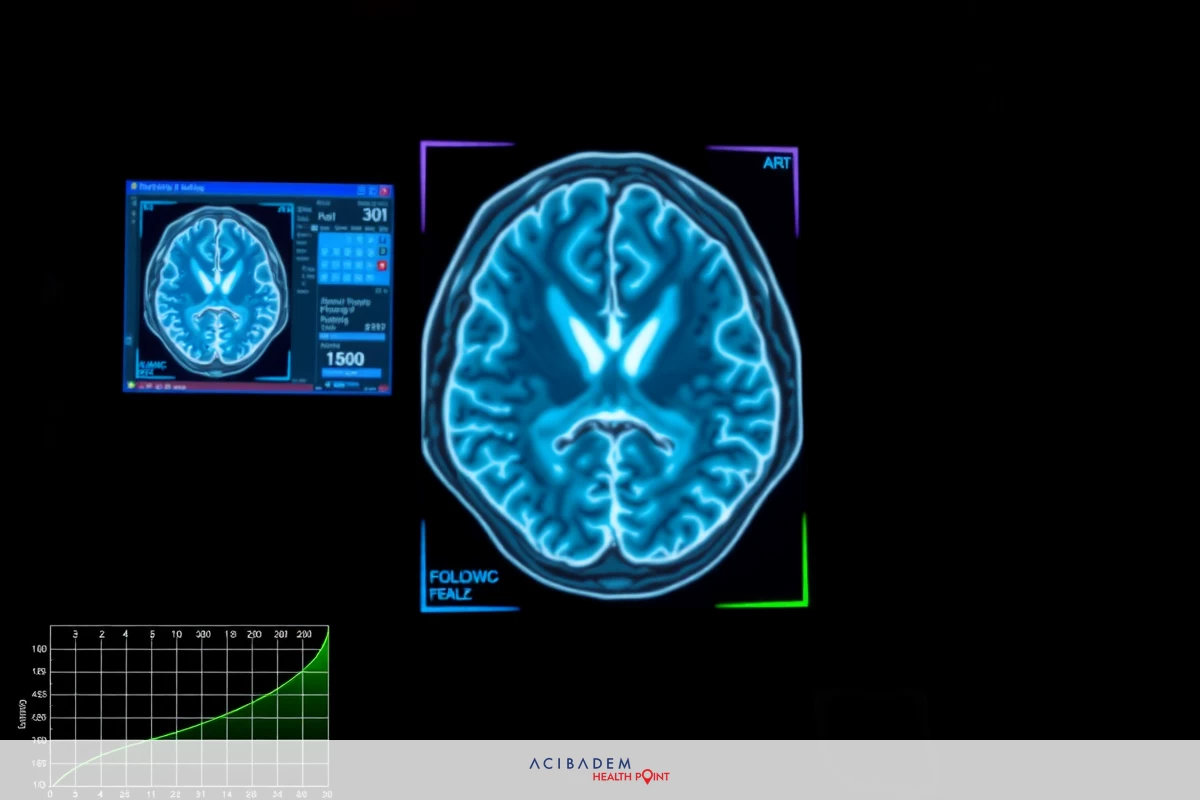
. ICG lymphography is another reliable method for assessing lymphatic function.
Tonometry measures tissue compressibility, with readings below 40mmHg indicating advanced stages. Stemmer’s sign, with 87% specificity, is a reliable clinical indicator.
Differentiating from Other Conditions
It’s essential to rule out mimics like chronic venous insufficiency, which shows hemosiderin deposits. PCR tests detect 98% of Wuchereria bancrofti, a filarial marker, ensuring accurate diagnosis.
MRI also helps differentiate this condition from lipoedema, ensuring the right treatment plan is followed.
| Diagnostic Method | Accuracy | Key Feature |
|---|---|---|
| Lymphoscintigraphy | 92% | Detects lymphatic obstructions |
| T2-weighted MRI | 94% | Differentiates from lipoedema |
| ICG Lymphography | High | Assesses lymphatic function |
| PCR Test | 98% | Detects filarial markers |
Treatment and Management of Lymphedema Elephantiasis
Lymphedema Elephantiasis Pictures: Visual Guide Effective management of chronic swelling involves a combination of medical and lifestyle strategies. These approaches aim to reduce symptoms, improve mobility, and enhance quality of life. Below, we explore the key methods for managing this condition.
Non-Surgical Treatment Options
Non-surgical methods are often the first line of treatment. Complete decongestive therapy (CDT) is a widely used approach, reducing swelling volume by 45-70%. This therapy includes manual lymphatic drainage and multilayer bandaging, typically in 20-30 minute sessions.
Pneumatic compression devices are another effective option. These devices apply a gradient pressure of up to 200mmHg, helping to move fluid and reduce swelling. Regular use can significantly improve symptoms.
Surgical Interventions
When non-surgical methods are insufficient, surgery may be considered. Lymph node transfer has a success rate of 85%, making it a preferred option for many patients. Debulking surgery is another choice, particularly for advanced cases where swelling is severe.
These surgical options aim to restore lymphatic function and reduce the physical burden of chronic swelling. Consulting with a specialist can help determine the best approach.
Lifestyle Changes and Preventive Care
Lymphedema Elephantiasis Pictures: Visual Guide Daily care and adjustments play a crucial role in managing chronic swelling. Avoiding prolonged standing, which can increase swelling by 20%, is essential. Incorporating regular movement and elevation strategies, such as 30° leg elevation at night, can also help.
For those traveling to endemic countries, preventive measures like antifilarial prophylaxis are recommended. Following WHO-recommended hygiene protocols can reduce the risk of infections by 65%.
- Modify daily activities to avoid overexertion.
- Practice proper skin hygiene to prevent infections.
- Use compression garments as advised by your healthcare provider.
By combining these strategies, individuals can better manage their condition and maintain an active lifestyle. Lymphedema Elephantiasis Pictures: Visual Guide
Living with Lymphedema Elephantiasis
Living with chronic swelling requires daily adjustments and self-care strategies. Over 80% of people managing this condition rely on consistent routines to reduce symptoms and improve quality of life. Simple steps like wearing custom compression garments with 20-50mmHg pressure gradients can make a significant difference.
Proper skin care is also essential. Using pH-balanced cleansers and applying emollients twice daily helps maintain the body’s natural barrier. For those with noticeable limb size differences, adaptive clothing solutions provide comfort and practicality.
Traveling to endemic countries requires extra precautions. FAA-approved compression wear is recommended for flights longer than two hours. Additionally, vocational adjustments may be necessary for jobs involving prolonged standing or walking.
Psychological support is equally important, as 35% of people experience depression or anxiety. Joining support networks can provide emotional relief. Emerging therapies, like 9.4μm laser treatments, show promise in reducing fibrosis by 40%, offering hope for better management.


